Portuguese
  Spanish


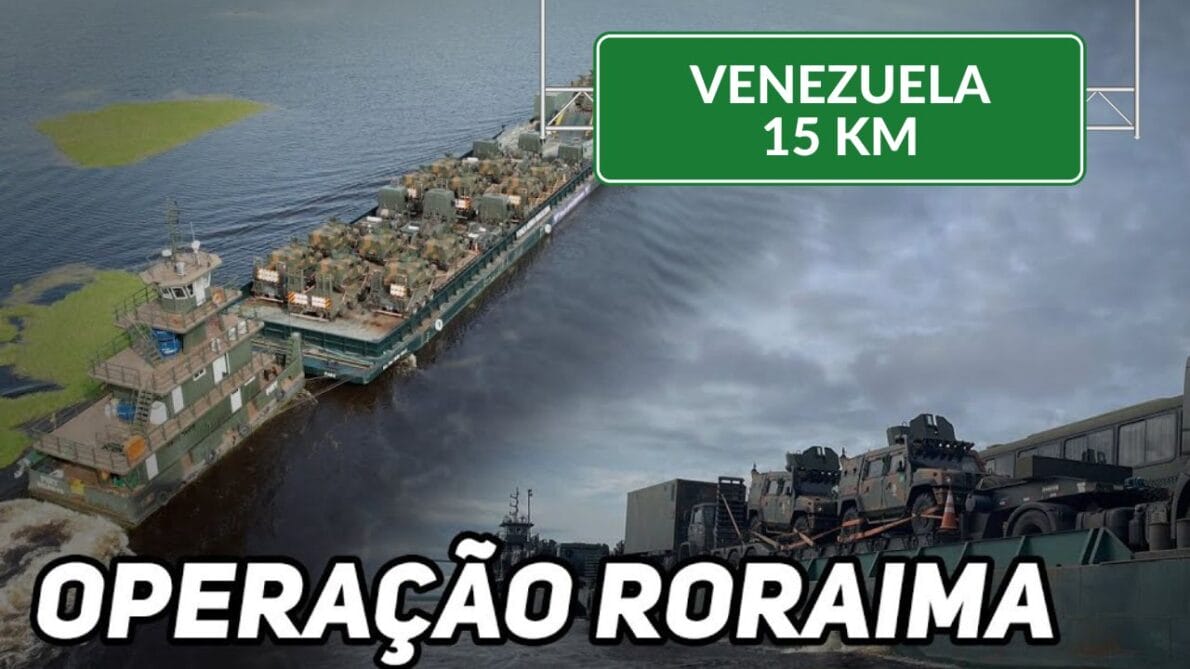

Brazil Is Strengthening Its Security at the Border with Venezuela and Guyana by Sending a New Contingent of 150 Troops from the 6th Army Division Based in Santana do Livramento, Bagé, and Jaguarão (Rio Grande do Sul), Along with an Increase in the Number of Armored Vehicles.
In a significant strategic move, Brazil is reinforcing its military presence at the border with Venezuela and Guyana by sending a new contingent of troops from the Southern Military Command, in addition to increasing the number of armored vehicles in the region, according to a report from Gaúcha Zero Hora. This announcement was made by General Herzt Pires do Nascimento during an Army Day ceremony held on Friday (19).
Contrary to the perception that Brazil is simply increasing the number of soldiers at the border, what is actually occurring is a rotation. The forces of the 6th Army Division, consisting of 150 troops from the units in Santana do Livramento, Bagé, and Jaguarão, will replace the troops of the 5th Division previously deployed. Additionally, there are plans to transfer more armored vehicles from Rio Grande do Sul to the border, enhancing military capability in the area.
The Operation Is Part of the So-Called Operation Roraima, an Initiative of the Brazilian Army to Increase Security at Borders


The action is part of the so-called Operation Roraima, an initiative of the Brazilian Army to increase security at the borders with Venezuela and Guyana. The rise in regional tensions was prompted by the reopening of a Venezuelan airstrip at the border with Essequibo, with the presence of a military cargo plane C-130 Hercules, highlighting Venezuela’s military intentions in the territorial dispute.
-
The Arctic is no longer just a frozen region and is becoming a new military board with the opening of maritime routes, expansion of bases, nuclear icebreakers, and competition among Russia, NATO, the United States, and China.

-
U.S. Dismisses Brazilian Foreign Ministry’s Military Risk Warning as “Absurd,” Cites Brazilian Criminal Gangs Operating in the U.S. Since May 2026
-
Ukraine War Impacts Brazilian Fuel Supply: Russian Diesel Imports Drop 65% in June, Brazil Turns to US and India Amid Market Concerns

-
Chinese Nuclear Submarine Launches Simulated Warhead Missile in Pacific, Heightening Regional Tensions Amid Naval Drills with Russia Near Qingdao; New Zealand and Papua New Guinea Warn of Persistent Chinese Military Presence


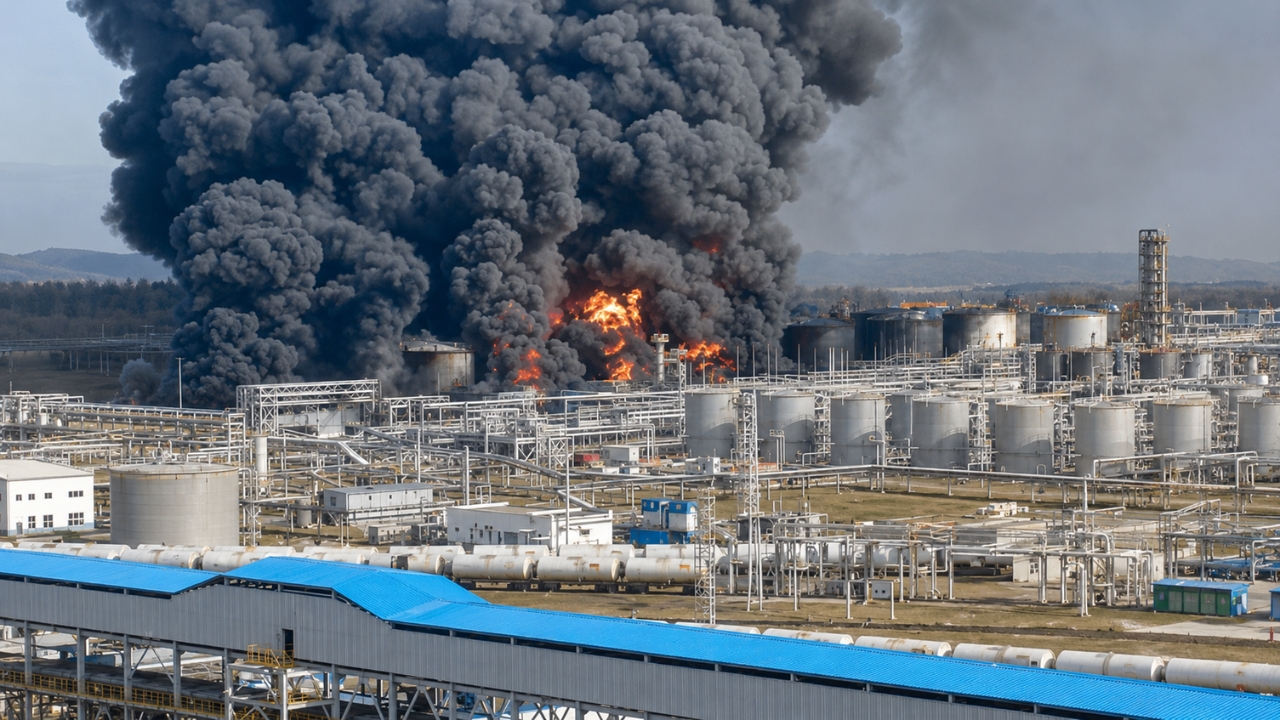

Brazil’s Plan to Send More Military Equipment to the Amazon Is Part of a Larger Strategy
Brazil’s plan to send more military equipment to the Amazon is part of a larger strategy to strengthen Brazil’s military presence in the northern region, with Operation Roraima planning a 10% increase in troops from the Northern Military Command and the Amazon Military Command. The Roraima region, with its vast plateau of fields known as Lavradio, has a geography similar to that of Rio Grande do Sul, which facilitates the use of combat vehicles.
Southern Military Command, from Where the New Forces Are Deployed, Is One of the Best-Equipped Units of the Brazilian Army
The Southern Military Command, from where the new forces are deployed, is one of the best-equipped units of the Brazilian Army, with about 50,000 troops and 75% of the mechanized assets of the country’s ground forces. This mobilization occurs almost simultaneously with the reopening of the airstrip by Venezuela on Anacoco Island, a move that reinforces Venezuela’s military stance in the disputed area and raises concerns about regional stability.
The strengthening of Brazil’s forces at the border with Venezuela is a preventive and strategic measure to ensure national security and adequately respond to any potential crisis arising from tensions in the region. This development emphasizes the importance of a robust military presence in areas of strategic interest and the need for Brazil to maintain its sovereignty and protect its borders in an uncertain geopolitical environment.