Portuguese
  Spanish


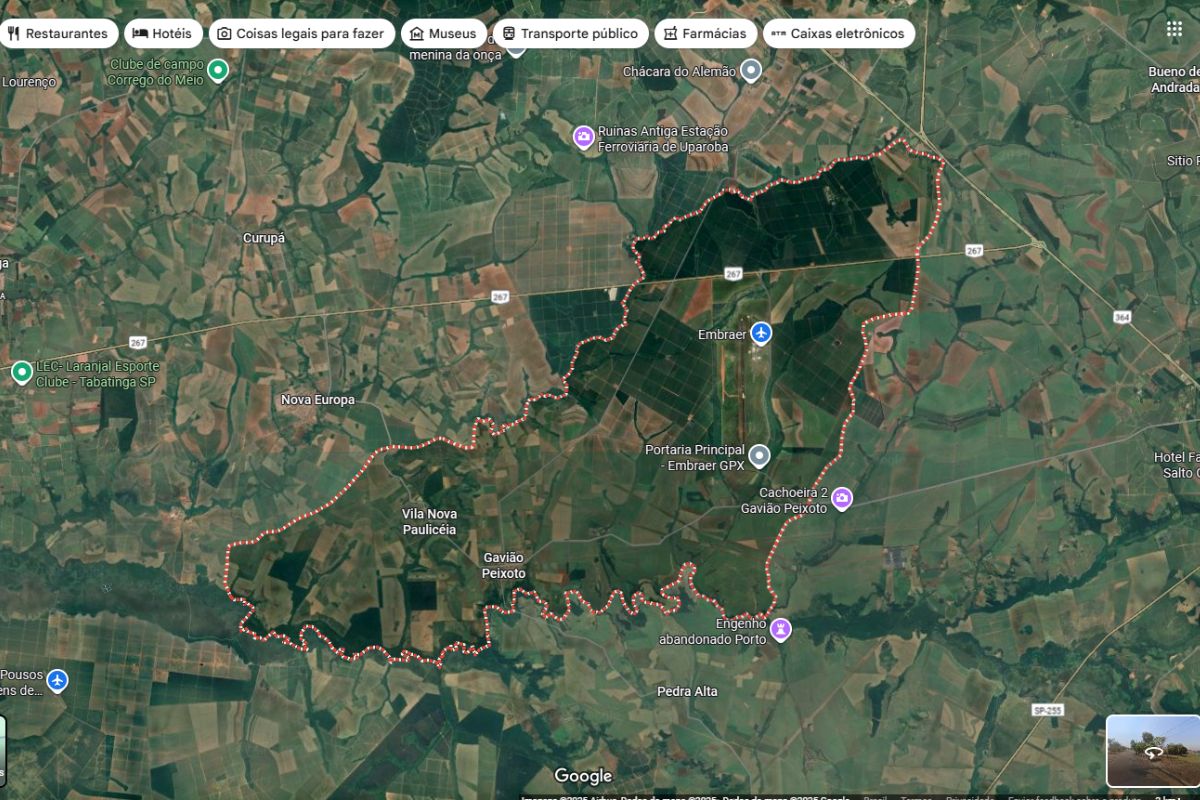


Municipality in the Interior Surpassed Brazilian Capitals in Social and Economic Indicators, With a Strong Weight of the Aerospace Industry and Investments in Education.
The young Paulista city of Gavião Peixoto surprised by taking first place in the national quality of life ranking released on September 6, 2025, by IPS Brazil. Founded in 1995 and with only 4,702 inhabitants, the municipality achieved a score of 73.26, surpassing capitals like Brasília, Goiânia, and São Paulo.
According to the Market Monitor, the presence of Embraer and the establishment of the Gripen fighter jet factory in partnership with the Swedish Saab were decisive in transforming the economic profile of the city. With high-skilled job creation and salaries above the national average, Gavião Peixoto has established itself as a reference in development and social well-being.
How the Paulista City Was Born and Grew
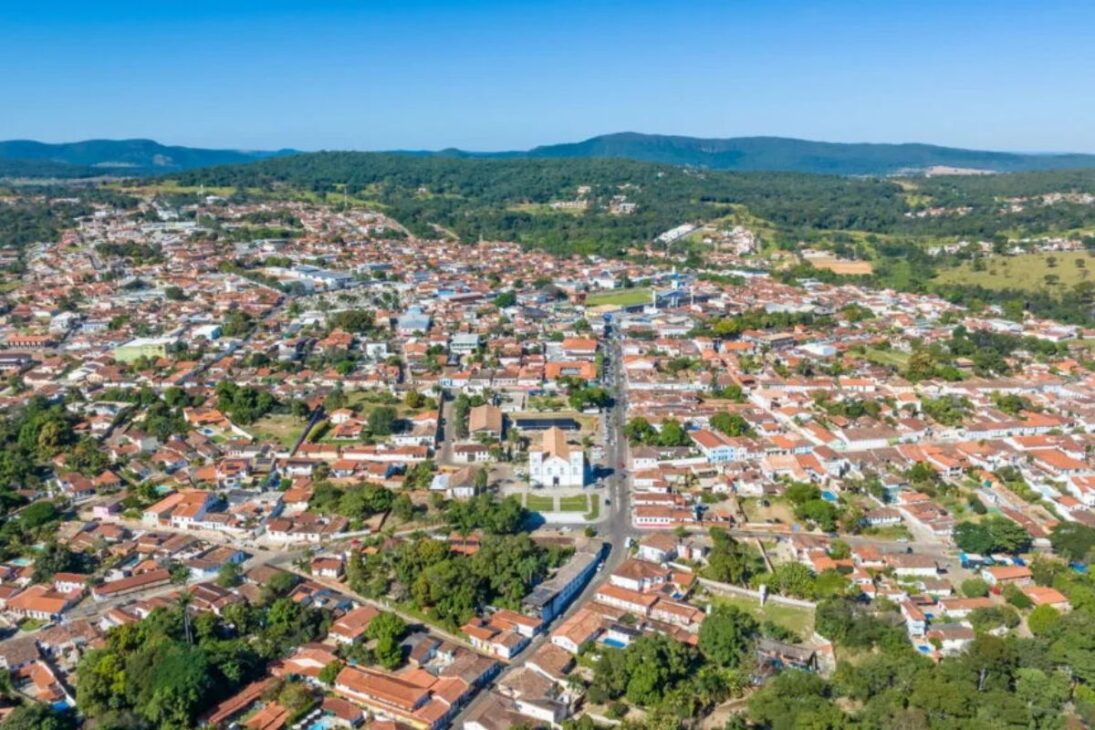
Previously a district of Araraquara, Gavião Peixoto was emancipated in 1995.
-
13-Year-Old Raises Funds to Build Well, Transforming Lives in Cambodian Community Lacking Clean Water

-
Man with Metal Detector Finds Medieval Silver Seal in England, Uncovers 2,000-Year-Old Roman Gem with ‘Richard’s Secret’

-
Thailand Converts 8 Tons of PET Bottles into 3,500 School Backpacks, Showcasing Circular Economy with Over 40 Factories Involved

-
Mysterious Bats Spotted in Paris’s Père Lachaise Cemetery, Drawing Tourists to the “Vampire Cemetery”




The leap in development occurred starting in 2001, when Embraer installed its unit responsible for producing Gripen fighter jets for the Brazilian Air Force (FAB).
This change attracted highly skilled professionals and brought investments in technology, industry, and services to the municipality.
Today, Gavião Peixoto is considered an aerospace hub, with a solid economy and a direct impact on the quality of life of its residents.
Performance in IPS Indicators
The Social Progress Index (IPS) assesses the real well-being of populations based on three dimensions: basic human needs, foundations of well-being, and opportunities.
In the case of Gavião Peixoto, the numbers are impressive:
89.22 points in access to water and sanitation
97.20 points in housing
73.26 in life expectancy
86.22% occupancy rate
Average formal salary of R$ 6,300
98.7% of children aged 6 to 14 enrolled in school
These results show that the Paulista city offers a balance between economic development, infrastructure, and social inclusion, achieving indicators higher than many large urban centers.
Comparison with Other Brazilian Cities
In contrast, São Paulo, the largest capital in the country, recorded a score of 68.79 and ranked sixth among the capitals.
Brasília, São Carlos, and Goiânia also performed well, but none surpassed Gavião Peixoto.
According to the Market Monitor, the result reinforces that urban planning combined with strategic private investments can transform small cities into models of quality of life in a short period.
Practical Benefits for Residents
In practice, residents enjoy rare conditions compared to large capitals:
More security, with low crime rates;
Quality education, with near-universal access to primary education;
Robust job market, driven by the aerospace industry;
Efficient infrastructure, with sanitation, decent housing, and good public services.
These elements combine to create an environment where quality of life is felt in daily life, not just in the indicators.
The example of the Paulista city of Gavião Peixoto shows that strategic investments and local policies focused on the citizen can exceed population size limitations.
The success of the municipality reinforces the debate on how small cities can become centers of prosperity in Brazil.
And you, do you believe that other Brazilian cities can replicate the Gavião Peixoto model or is this a reality restricted to municipalities with large industries? Leave your opinion in the comments — we want to hear from those who live it in practice.