Portuguese
  Spanish


The Brazilian and French Navies carried out Operation “Jeanne d’Arc 2026” in Mangaratiba (RJ) with 1,700 military personnel, ships, helicopters, and amphibious troops.
Approximately 1,700 military personnel — about 900 Brazilians and 800 French — participated on Tuesday, the 28th, in Operation “Jeanne d’Arc 2026,” a joint exercise conducted by the Brazilian Navy and the French National Navy at the Marambaia Island Evaluation Center (CADIM), in Mangaratiba, on the coast of Rio de Janeiro. The action integrated naval, aeronautical, and amphibious forces from both countries in one of the types of military operations considered most complex: the amphibious assault, which simulates the conquest of a hostile coastline from the sea.
An operation that goes beyond training
More than a field exercise, the action served to bring operational procedures closer between the two nations and raise the level of coordination between their military assets. In this type of mission, the ability to act together — with ships, aircraft, and troops from different countries operating synchronously — is the main result to be achieved.
During the activities, the military personnel conducted artillery firing training, survival courses, and precision shooting. The highlight was a simulated landing at CADIM, with the simultaneous deployment of soldiers, vessels, helicopters, and armored vehicles from both countries — reproducing the conditions of a real assault on a defended coast.
-
U.S. Navy’s Ticonderoga-class Cruiser Becomes a 9,800-Ton Missile Fortress with Advanced Aegis System Capable of Tracking Hundreds of Targets

-
France’s Charles de Gaulle: The Sole Nuclear-Powered Aircraft Carrier Outside the US, Weighing 42,500 Tons and Equipped with Two Atomic Reactors

-
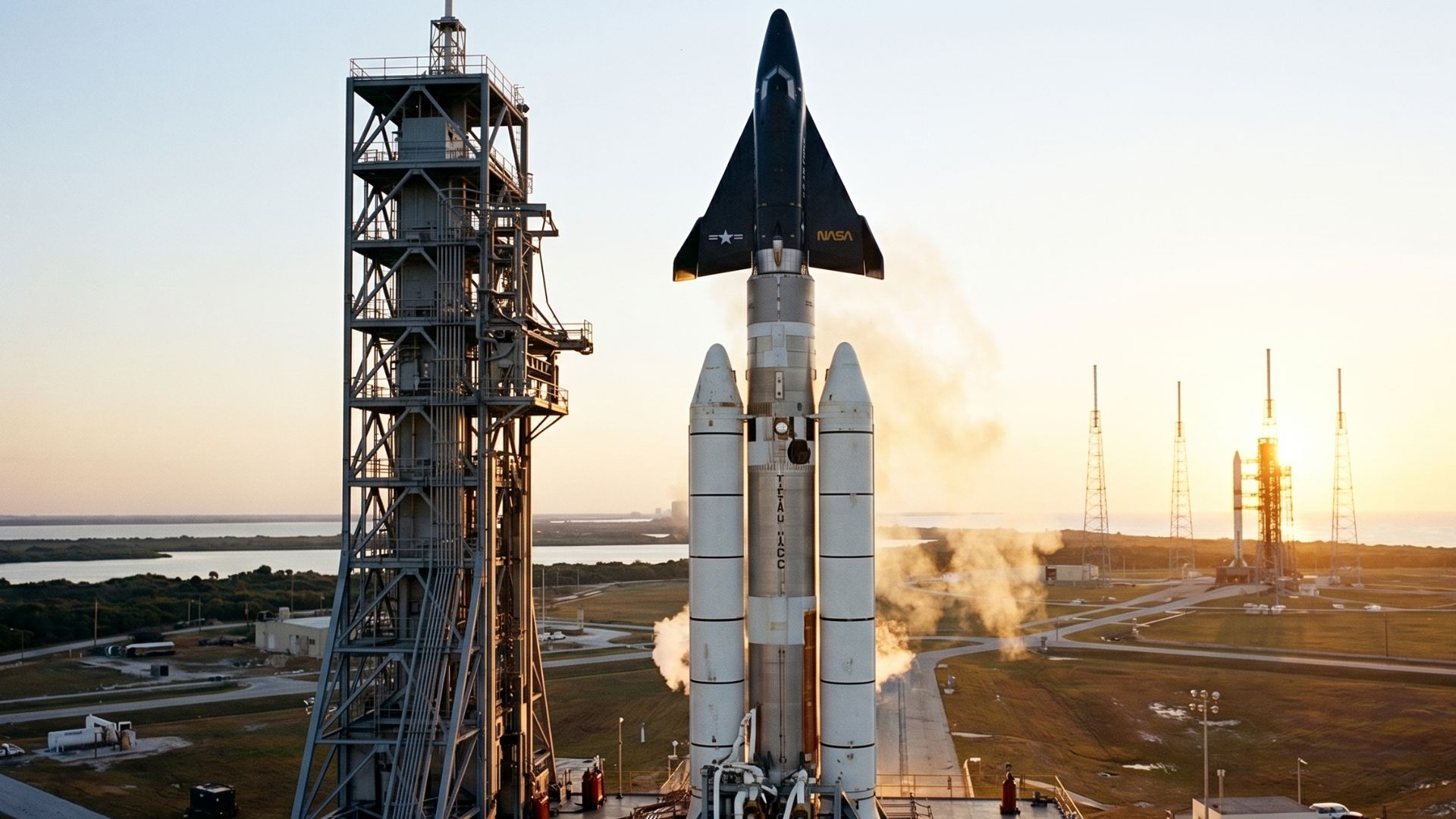
The military spaceplane that almost took the Cold War into orbit: Boeing X-20 Dyna-Soar was designed to re-enter above Mach 20, fly for up to 40 hours, land like a plane, and transform Titan rockets into a gateway to a new era of orbital warfare.
-
FAB bets on national drones and increases investments to strengthen the Brazilian aerospace industry


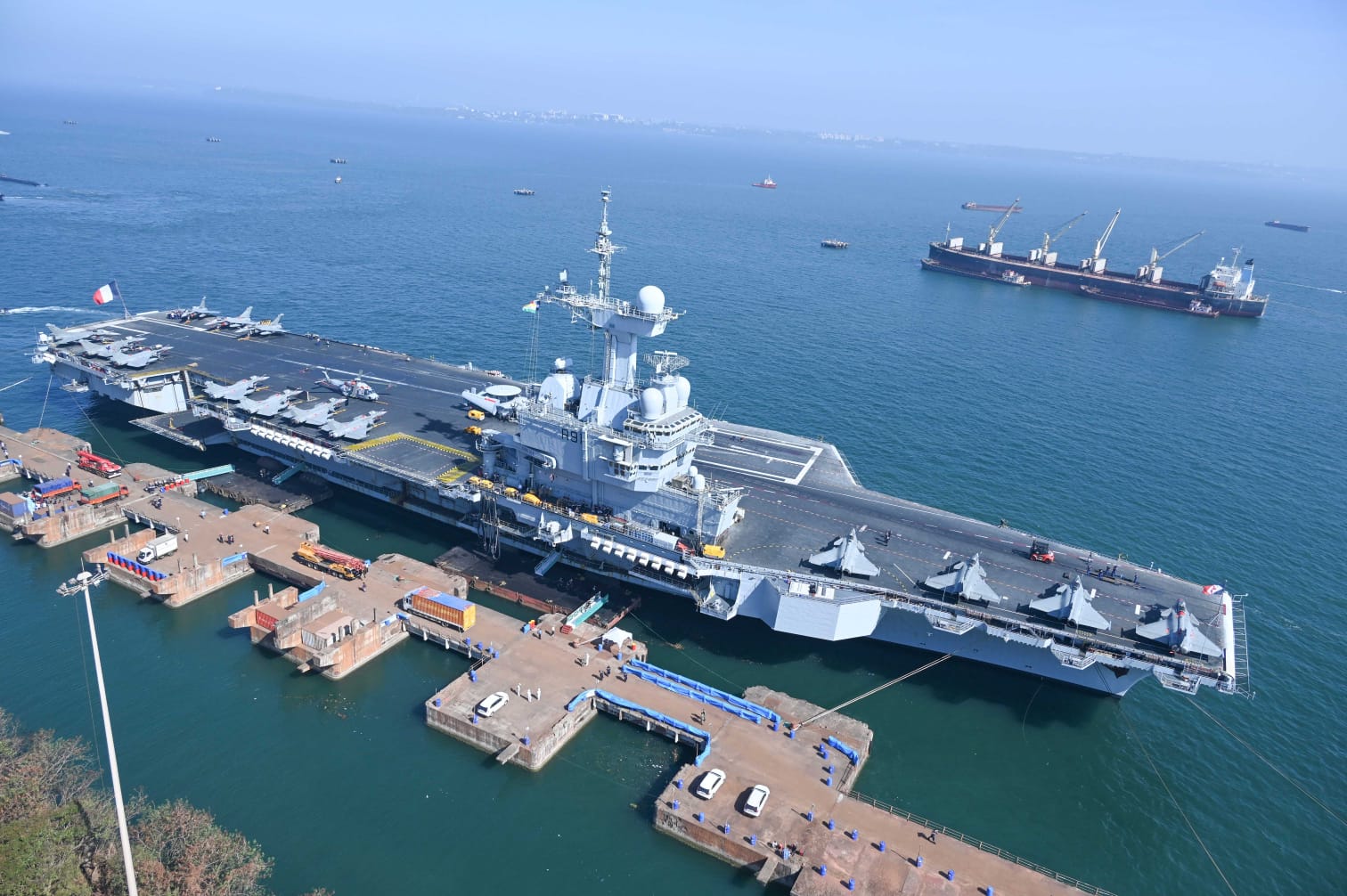


Brazilian and French Navies: assets employed in Operation “Jeanne d’Arc 2026”
The operation mobilized a significant set of military equipment from both sides. The table below organizes the main assets used by each country:
| Country | Assets employed |
| Brazil | Amphibious Unit of the Fleet Marine Corps (FFE); Tank Landing Ship “Almirante Saboia”; Frigate “Defensora”; Submarine “Humaitá”; Seahawk, Super Lynx, and Esquilo aircraft; Amphibious Tracked Vehicles (CLAnf); JLTV and Piranha armored vehicles; Littoral Landing Craft (EDLit) |
| France | Dixmude Amphibious Helicopter Carrier; Aconit Frigate; Jacques Stosskopf Logistics Support Ship; Gazelle, Caïman, and Dauphin helicopters; Rapid Landing Craft (EDAR); Amphibious Landing Craft (EDAS); Griffon Multi-purpose Armored Vehicle; Light Armored Vehicle (VBL) — with participation from the 9th Brigade of the French Army |
Why is this type of operation considered so challenging?
Projecting power from the sea means using vessels and aircraft as a launch base for troops that will operate on land. To do this, it is necessary to simultaneously coordinate the movement of ships, the takeoff and landing of helicopters, the advance of soldiers on the beach, and the support of armored vehicles — all in real-time and between forces from different countries.

This level of demand makes amphibious assault one of the most elaborate modalities of military planning. Any communication failure or delay in one of the stages can compromise the entire sequence of the operation.
Among the objectives achieved with this Tuesday’s exercise are:
- Standardization of operational procedures between the two navies;
- Improvement of coordination between naval, aeronautical, and marine assets;
- Exchange of tactical experiences between Brazilian and French military personnel;
- Expansion of joint response capability in areas of strategic interest;
- Strengthening of bilateral commitment to maritime security.
What the operation commanders said
Captain Luiz Felipe, commander of the 2nd Marine Infantry Battalion of Brazil, highlighted the strategic value of the exercise for the preparation of national troops.
“Operation ‘Jeanne d’Arc’ brings together different naval, air-naval, and amphibious capabilities, contributing to raising the level of troop readiness to operate efficiently in various scenarios, while strengthening cooperation between Brazil and France.”

Meanwhile, the Commander of the French Task Group, Jocelyn Delrieu, placed the exercise in the broader context of the partnership between the two countries.
“We have a strong relationship between the two Navies, and a strong relationship means that we exchange information while training together. Our main objective is to protect our interests and train with our strong partners, such as Brazil.”
The execution of Operation “Jeanne d’Arc 2026” reaffirms the solidity of the military partnership between Brazil and France and signals the commitment of both nations to the development of forces capable of operating in an integrated manner in different maritime and coastal scenarios.
With information from the Naval News Agency