






 Portuguese
  Spanish
  5 min of reading
  0 comments


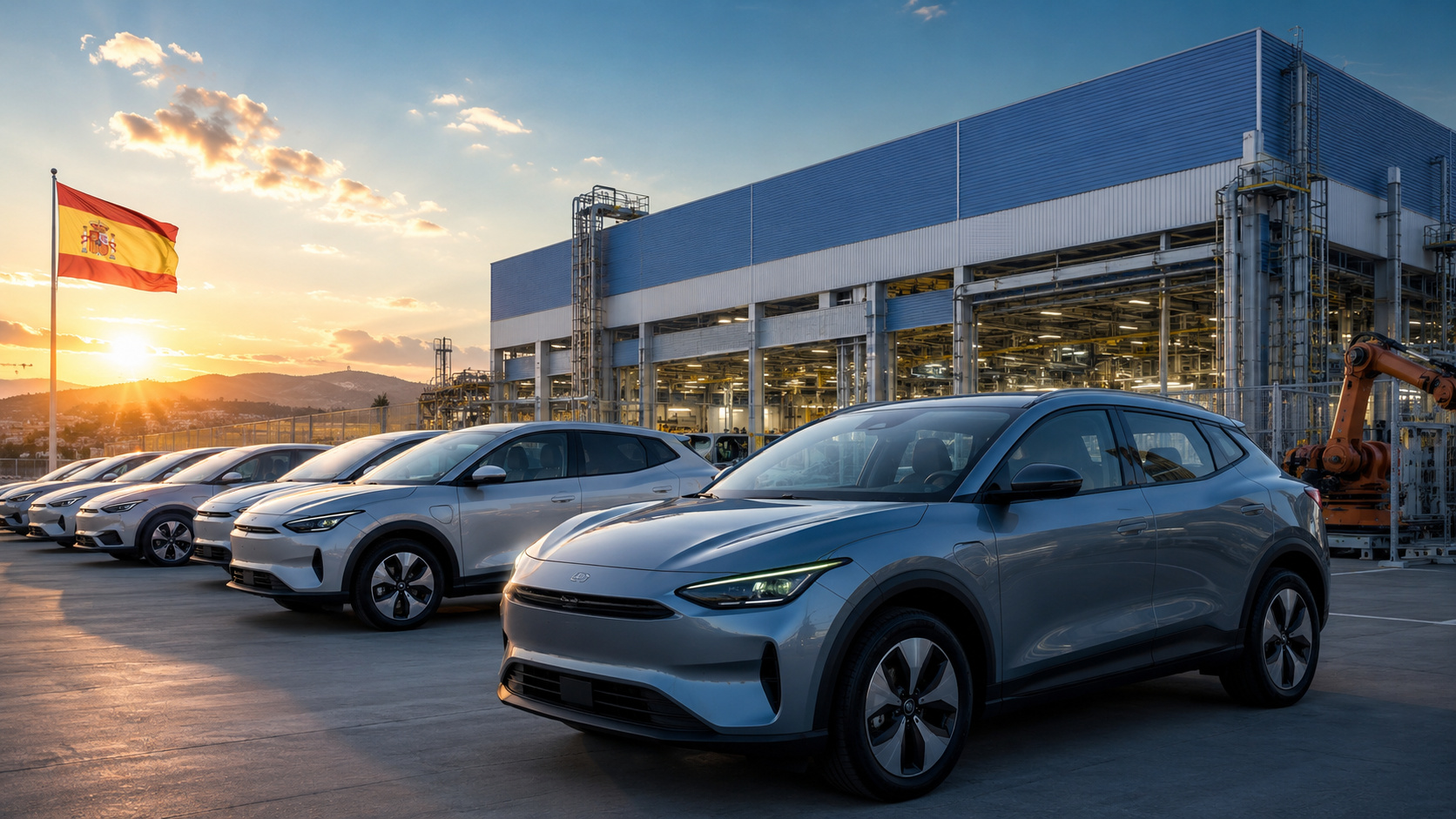
The Chinese automaker Geely is in negotiations to take over part of Ford’s factory in Valencia, Spain, in a strategy that could accelerate its expansion in the European electric vehicle market. The move aims to reduce costs linked to import tariffs imposed by the European Union on cars produced in China, in addition to strengthening the brand’s local production on the European continent.
Furthermore, the agreement may include technological cooperation between Ford and Geely for the development of compact electrified models, expanding the partnership between the automakers in one of the most strategic segments of the current automotive industry. Experts evaluate that the operation repeats a strategy similar to one already used by Geely in Brazil, where the Chinese group formed a partnership with Renault.
Geely wants to expand its presence in Europe
Geely’s possible entry into Ford’s Valencia factory represents another step in the offensive of Chinese automakers in the European market.
-
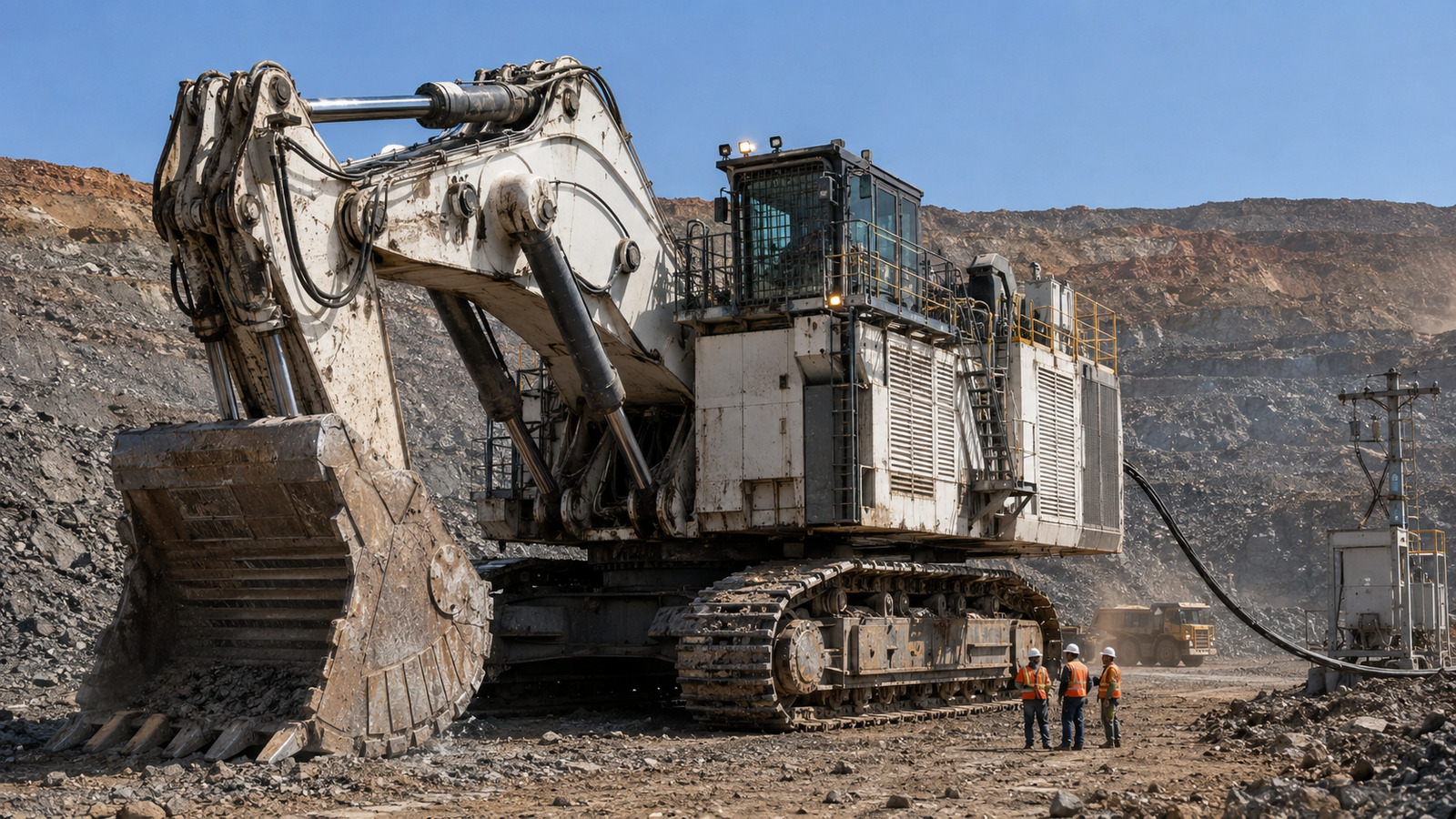
Unprecedented achievement in India: a colossal 650-ton, nearly 3,000 hp excavator is transformed into 100% electric, marking a new phase in heavy mining.

-
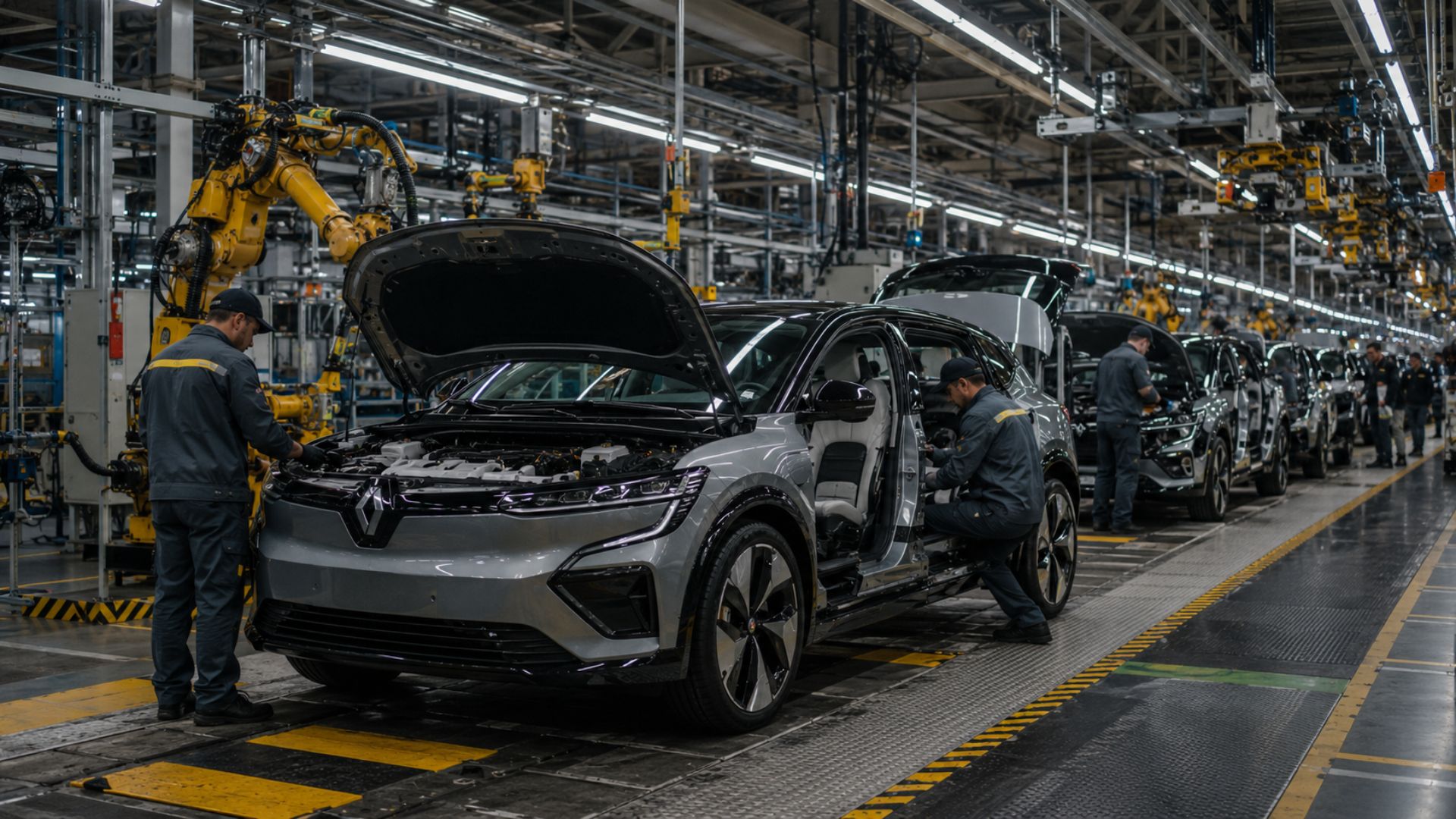
Frightened by the speed of Chinese manufacturers, Renault decided to mimic the pace, made the new electric Twingo in just 21 months, wants to repeat the feat with 36 models by 2030, and along the way, will cut up to 2,400 engineering positions.

-
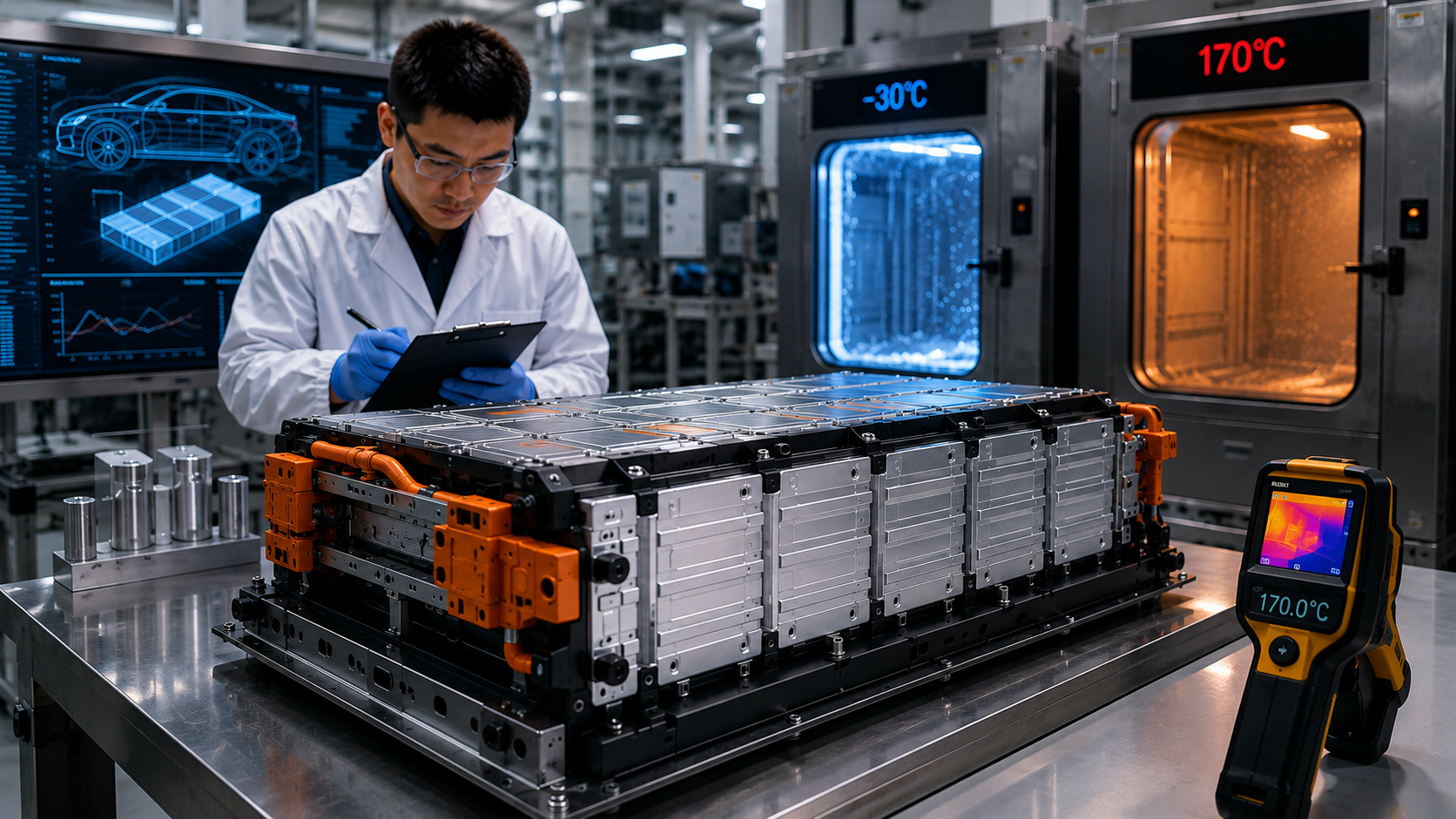
Chinese battery from Dongfeng promises to exceed 1,000 km without relying on liquid electrolyte, and the detail behind the technology could change the electric car competition.

-
The end of the automotive combustion era has already begun, but many in Brazil have not yet realized the magnitude of the shift towards Chinese electric cars.
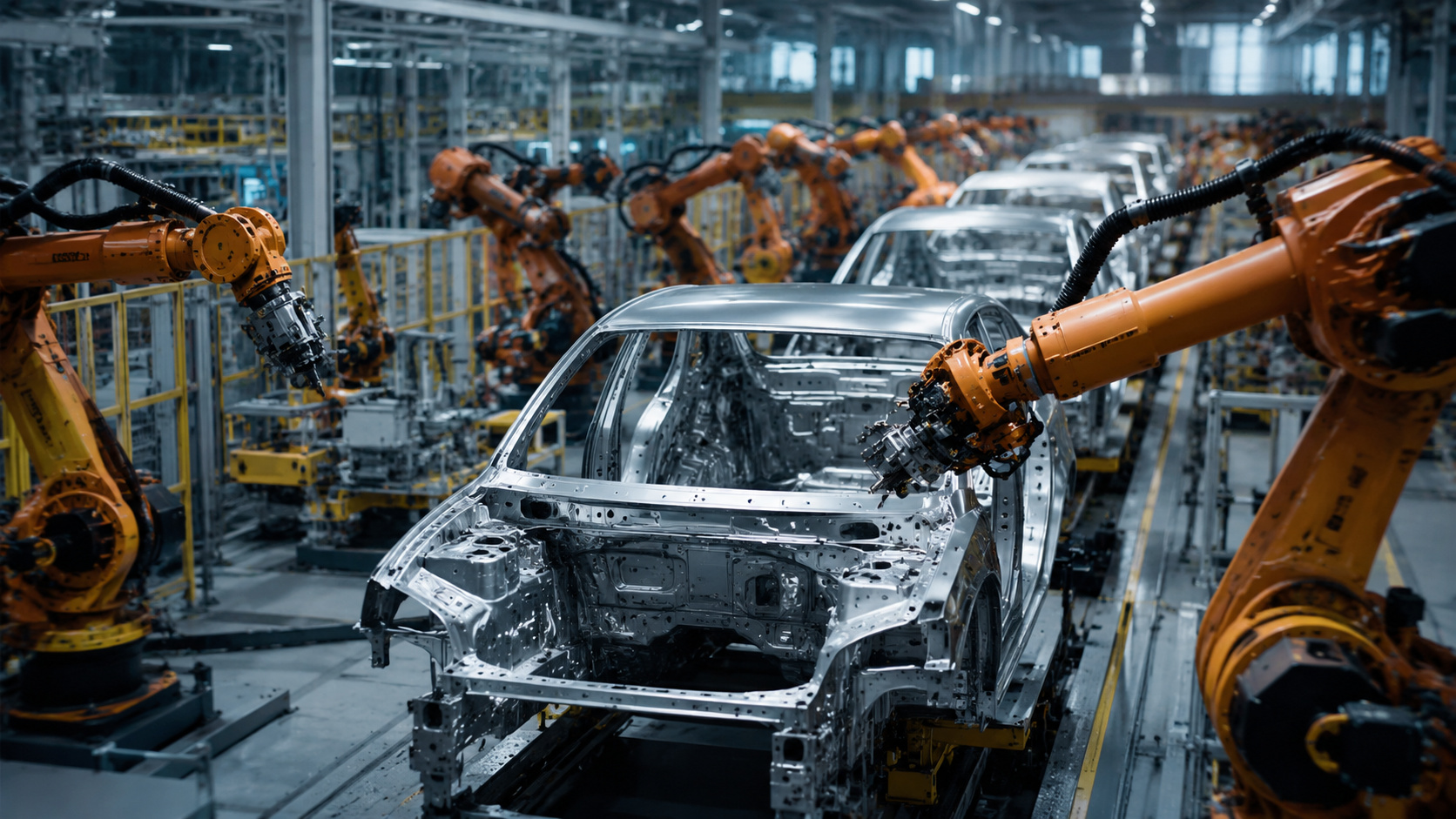
In recent years, Asian manufacturers have started to invest heavily in local production to reduce dependence on direct exports from China.
Furthermore, producing vehicles within Europe helps companies avoid surcharges imposed by the European Union on imported electric cars.
Experts state that the European continent has become a strategic priority for Chinese electric vehicle manufacturers.
What is being negotiated with Ford
According to international reports, Geely is negotiating to take over idle areas of Ford’s plant in Almussafes, in the Valencia region.
The unit has already consolidated industrial capacity and infrastructure ready for large-scale automotive production.
Furthermore, the operation would allow Ford to reduce operational costs and lessen the impact of industrial idleness at the Spanish factory.
Industry analysts state that the agreement is considered quite advanced behind the scenes of the European automotive industry.
The focus on electric cars
Geely intends to use the Spanish factory’s structure to expand the production of electric and hybrid vehicles destined for the European market.
Among the models mentioned is the compact electric EX2, one of the brand’s strategic cars for international expansion.
Furthermore, local production can help the Chinese brand compete more aggressively with traditional European automakers.
Experts state that the compact electric vehicle segment is expected to grow rapidly in the coming years.
How European Union tariffs influence the decision
The European Union has increased pressure on Chinese automakers due to the accelerated growth of electric vehicle exports from China.
Furthermore, European authorities have begun discussing surcharges and industrial protection measures for local manufacturers.
In this context, producing cars within Europe has become a strategic alternative for Chinese companies to avoid additional import costs.
Experts state that several Asian automakers are evaluating similar moves.
The strategy has already been used in Brazil
Geely’s move in Spain resembles a similar strategy previously adopted in Brazil.
The Chinese group became a partner of Renault do Brasil by acquiring a significant stake in the French automaker’s operation in the country.
Furthermore, the partnership paved the way for Geely’s expansion in the Brazilian electrified vehicle market.
Experts state that the company seeks to use industrial alliances to accelerate global growth.
The advance of Chinese automakers worries competitors
Chinese manufacturers are rapidly gaining ground in the global automotive sector, especially in the electric vehicle segment.
In addition to Geely, groups like BYD, GWM, and SAIC have also expanded their international presence in recent years.
Experts state that Chinese automakers manage to combine:
- More competitive costs
- Strong investment in batteries
- Large-scale production
- Advanced technology
- Aggressive international expansion
This increased global competition in the automotive market.

The possible technological partnership with Ford
In addition to the industrial occupation of the factory, the agreement may involve technological cooperation between Geely and Ford.
According to industry reports, the North American automaker could use electric platforms developed by the Chinese company in future compact models.
Experts state that technological alliances have become increasingly common in the automotive industry due to the high costs of developing electric vehicles.
The future of the Valencia factory
Ford’s plant in Valencia faces challenges related to production reduction and industrial reorganization.
In this context, Geely’s entry could help preserve jobs and maintain the use of local infrastructure.
Furthermore, the agreement would reinforce Spain’s importance as a strategic hub for the European automotive industry.
Experts state that the country has been attracting significant investments related to automotive electrification.
The growth of electric cars in Europe
Europe continues to be one of the main global markets for electric vehicles.
Furthermore, European governments have been expanding environmental targets and restrictions on cars powered exclusively by fossil fuels.
This scenario has accelerated automakers’ investments in electrification and local production of batteries and electric platforms.
Experts believe that competition in this segment will become even more intense in the coming years.
Geely’s role in the global automotive industry
Geely has become one of China’s most influential automotive groups and holds stakes in important brands such as Volvo, Lotus, Polestar, and Zeekr.
Furthermore, the company invests heavily in electric vehicles, batteries, and smart platforms.
In recent years, the conglomerate has expanded its global presence through acquisitions, joint ventures, and strategic partnerships.
Experts state that Geely is among the companies that have made the most progress in the internationalization of the Chinese automotive industry.
The impact on the European industry
Geely’s possible entry into the Ford factory also raises debates about the competitiveness of the European automotive industry.
Some experts argue that Chinese investments help preserve jobs and accelerate technological innovation.
On the other hand, industrial sectors express concern about increased dependence on Asian manufacturers.
In this scenario, the global competition for the electric vehicle market continues to intensify.
What experts expect now
Analysts believe that the agreement between Geely and Ford could be formalized in the coming months if negotiations progress positively.
Furthermore, this move could serve as a model for new partnerships between traditional automakers and Chinese manufacturers.
The market is mainly following:
- Local EV production
- Tariff reduction
- Platform sharing
- Chinese expansion in Europe
- Electrification strategies
All these factors are expected to influence the future of the global automotive industry.


The future of electric mobility
The possible agreement between Geely and Ford shows how the automotive industry is undergoing a profound global transformation.
Furthermore, automakers are seeking new strategies to reduce costs, accelerate electrification, and expand international presence.
As competition for electric vehicles grows rapidly, industrial alliances and local production tend to gain increasing importance.
Finally, the negotiation in Spain reinforces how electric mobility has become one of the most strategic sectors of the global economy, involving technology, industry, and commercial geopolitics.



Be the first to react!