Portuguese
  Spanish


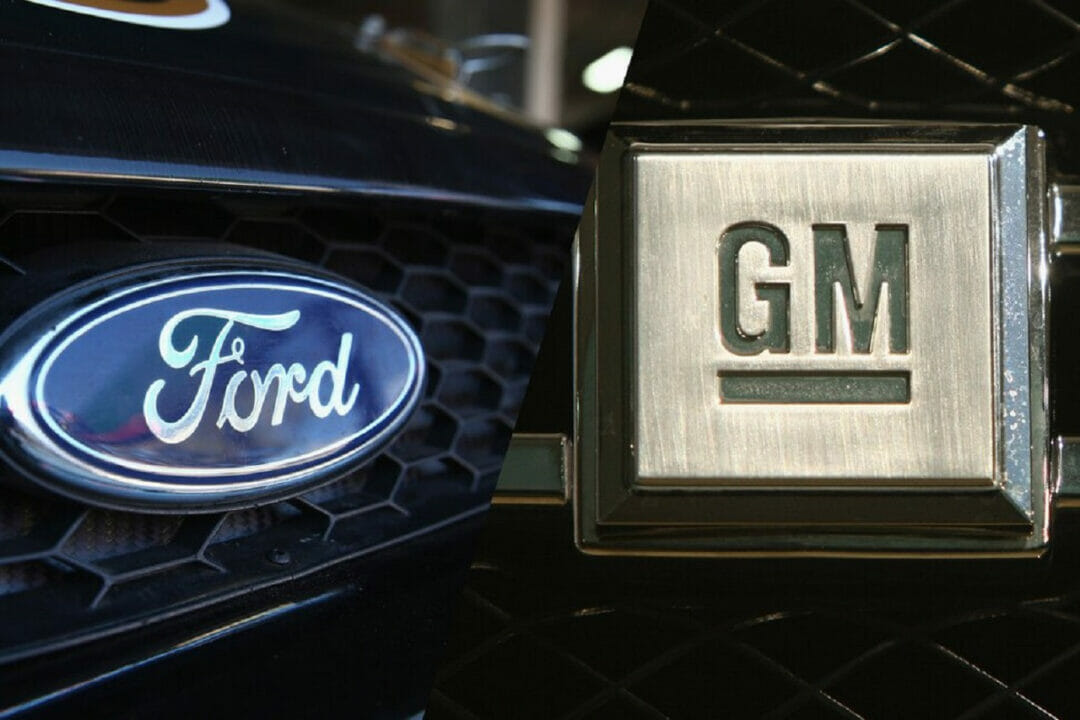

General Motors (GM) and Ford Are Temporarily Spraying Hundreds of Employees Due to Nearly a Month-Long Strike in the United States.
Ford and General Motors have temporarily sidelined over 500 employees from their jobs as a result of the ongoing strike at the three largest automakers in the United States, according to information from both companies. GM and Ford have sent home workers who have no work due to the shutdown decided by the United Auto Workers (UAW) union more than 15 days ago at various assembly plants over wage demands.
Understand the Strike of General Motors and Ford
The UAW began a strike on September 15 at factories of GM, Ford, and Stellantis, the three major players in Detroit, with some plants shut down, although the majority of unionized members of the organization continue their activities.
On Friday, the UAW extended the movement for the second time, ordering additional work stoppages at GM and Ford factories, while leaving Stellantis out due to progress in negotiations. GM stated that the UAW strike in Wentzville, Missouri, and Lansing, Michigan, continues to have negative domino effects.
-
Pizza Day highlights a curious contrast in Brazil: while 13 new pizzerias open every day, the price of mozzarella skyrockets, and the country’s most beloved dish weighs increasingly on family budgets.

-
It’s official: Petrobras takes 75% of block 3 in São Tomé and Príncipe and debuts as an offshore operator outside South America.

-
US$ 1.5 billion dam project on the Rio Indio promises water for the Panama Canal for 50 years, but it could flood rural areas and displace 2,000 residents from 38 farming communities.

-
At 14 years old, she worked in a factory in Hong Kong, studied economics abroad, and then entered the Chinese real estate market, which helped change the landscape of Beijing.





General Motors is sending home 130 workers in Parma, Ohio, and 34 in Marion, Indiana, who have no work to do, according to a company spokesperson in an email. Ford, for its part, has asked 330 employees in Chicago, Illinois, and Lima, Ohio, not to report to work.
Their production system is highly interconnected, which explains why some factories are indirectly affected by the strike, according to information from Ford in a statement on Monday.
The three companies had already sent home about 3,000 workers, who cannot perform their jobs due to the strike. Now, the total number rises to 3,500 people. The strike movement exceeds 25,000 workers summoned by the UAW.
GM Makes Counterproposal to UAW
General Motors stated on Thursday that it made a counterproposal to the UAW, the union representing workers in the United States and Canada, in an attempt to end the strike of the category. The strike, which began on September 15 against automakers GM, Ford, and Chrysler, halted the production of more than 24,000 vehicles weekly. UAW President Shawn Fain uses social media to provide weekly updates on the strike negotiations.
Fain revealed on Monday that the union made an offer to General Motors, however, the automaker reportedly found significant gaps remained. According to Reuters, GM stated that today’s counterproposal is already the sixth since the beginning of the strike.
A source consulted on the matter stated that significant negotiations are ongoing with GM. The company claims that the latest offer allows both the automaker and the team to thrive in the future. The estimated cost of the strike for the brand is US$ 200 million in the first half.
Union Demands Wage Increase
The UAW demands an immediate wage increase of 20%, followed by four additional increases of 5% each. In total, there will be a 46% increase in hourly pay over the four years of the contract.
The UAW stated on Friday that GM and Ford are proposing increases of 10% in the hourly wage rate over the next four years in their most recent offers, while Stellantis, which produces cars in the U.S. market under the brands Jeep, DODGE, RAM, and Chrysler, is offering increases of 14.5%. In comments to members, Fain called these offers offensive, given the considerable increases in profits of the automakers in recent years.