Portuguese
  Spanish


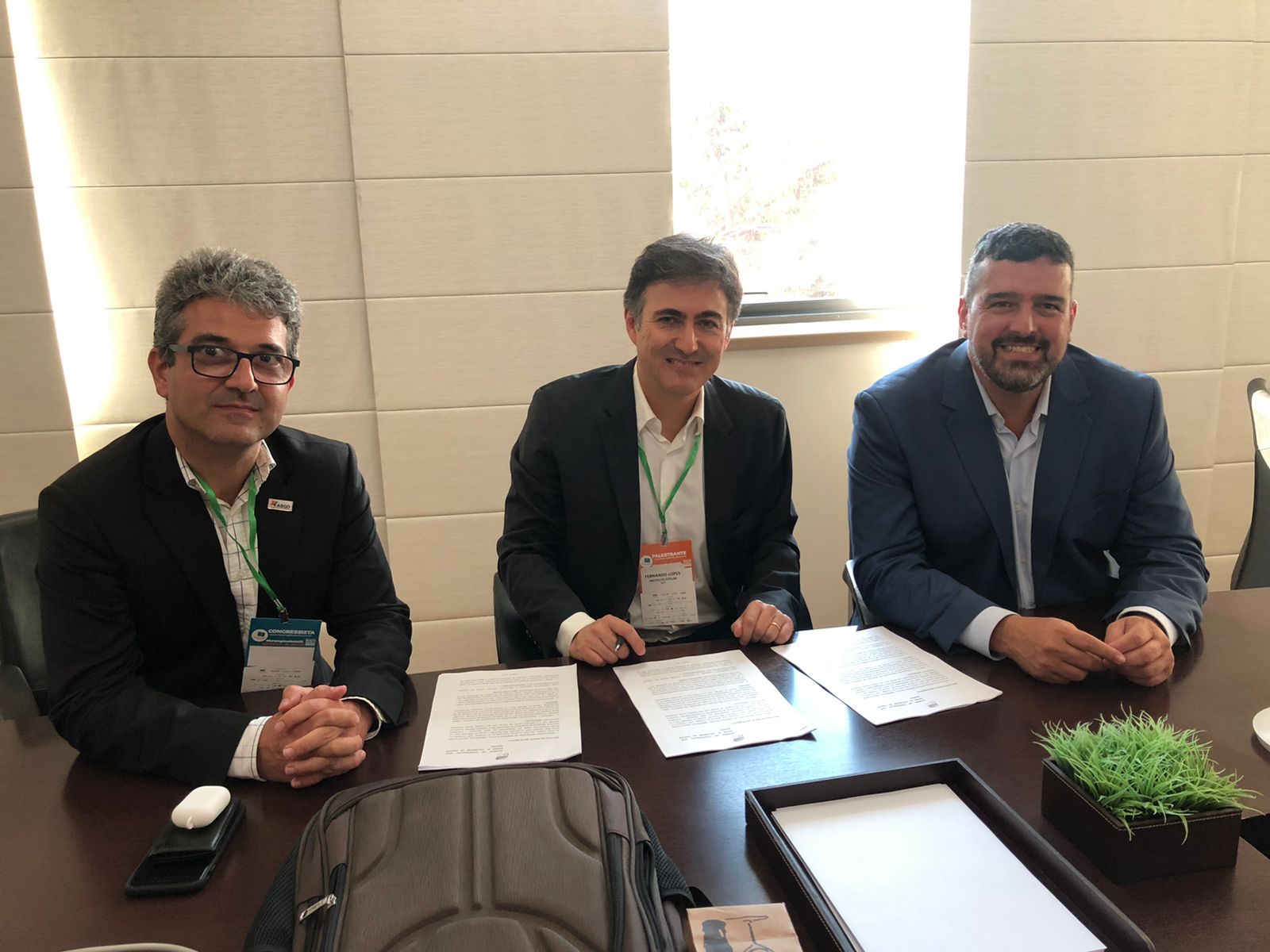

During the 12th Distributed Generation Forum, southeastern region, held in the capital city of São Paulo on Thursday (10), by the FRG Group, representatives from the Brazilian Association of Distributed Generation (ABGD) and the Totum Institute signed an agreement that includes the distributed generation of photovoltaic energy in the Brazilian Renewable Energy Program.
Other Recent News from the Brazilian Renewable Energy Market
- Neoenergia and Banco do Nordeste Form Partnership to Facilitate Access to Solar Energy for Residential Customers
- With 1 MW, Solarprime’s Largest Solar Power Plant in Partnership with Sicredi Installed in the Interior of Mato Grosso do Sul, Representing the Advancement of Technology in This Sector
- Huawei and Ecori Form Partnership for Distribution of Solar Inverters in Brazil
- Casa dos Ventos Plans to Become the Largest Renewable Energy Company in Brazil by Investing R$ 30 Billion and Expanding Wind and Solar Energy Ventures
The Totum Institute is the Certifying Agency accredited by the Social Security Department (SPREV), which issues renewable energy certificates, the I-RECs. The certificates ensure the tracking of environmental attributes of energy, facilitating reliable carbon accounting for Scope 2, in line with international standards. It represents another step toward consolidating photovoltaic energy in Brazil.
According to the director of the Totum Institute, Fernando Lopes, the certification program has been in place for 10 years and guarantees the origin of the energy produced and marketed. “From now on, DG, which is decentralized generation, will be an important component within the program,” Lopes assessed.
-
Fired during apartheid and with a little borrowed money, an electrician started with a borrowed truck and transformed electrical services into a group connected to energy, real estate, and infrastructure in South Africa.

-
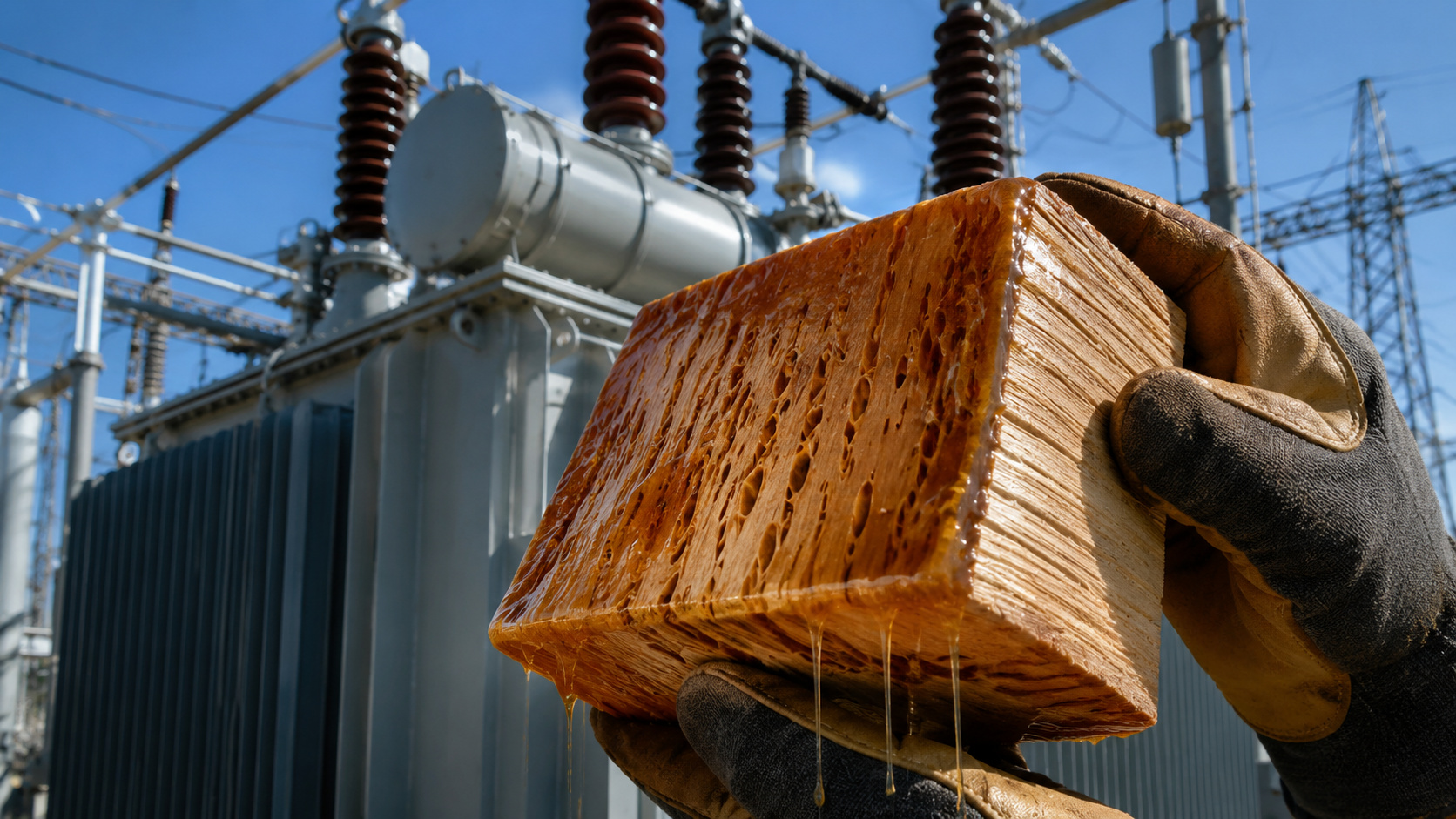
Wood has ceased to be just a construction material in Yale research and has become insulation for electrical transformers that face intense heat, aging, and increasing pressure from the renewable energy-powered grid.
-
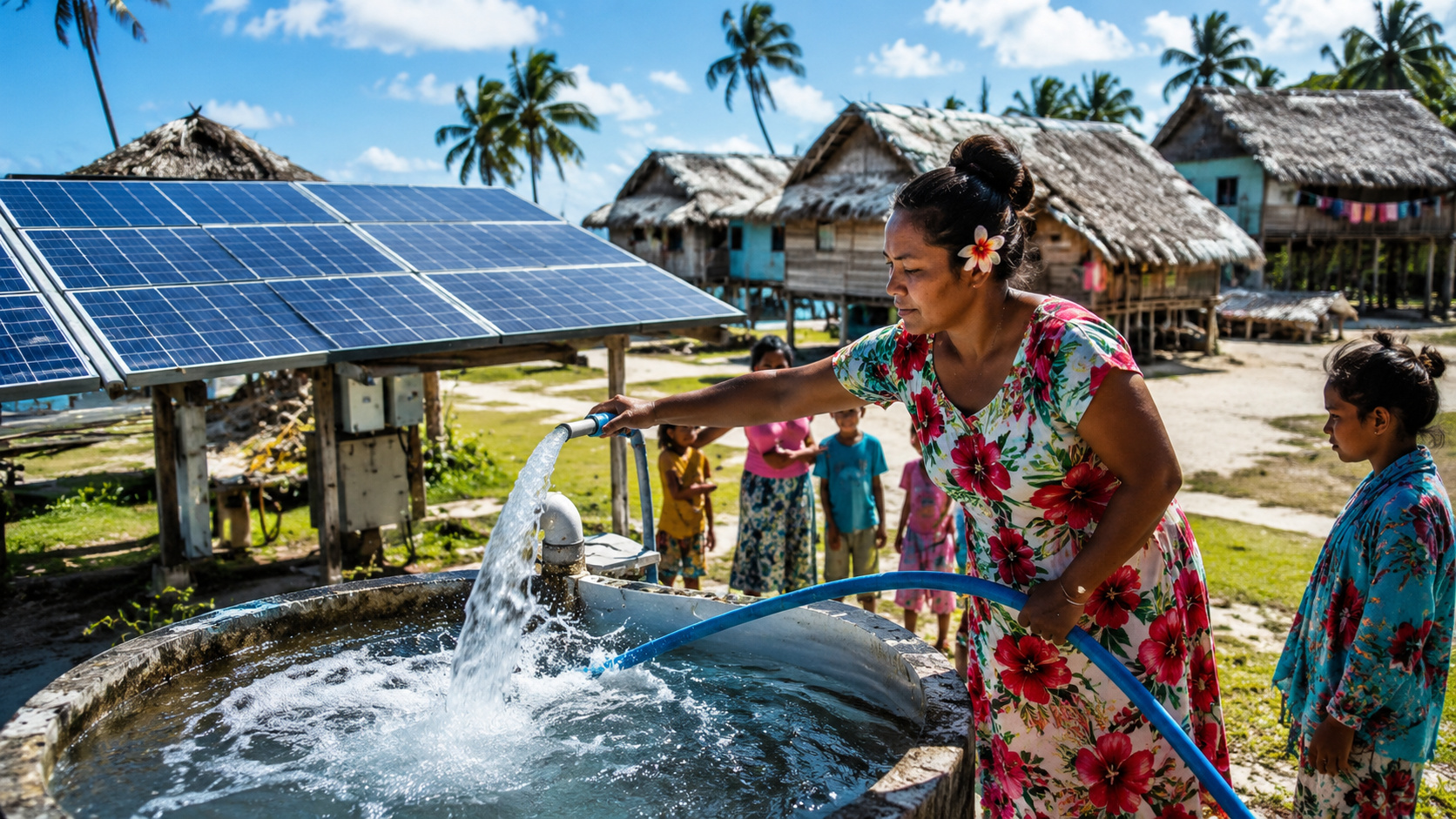
More than 1,000 residents of a remote island in Kiribati now have clean water and electricity with solar systems operated by the community itself.
-
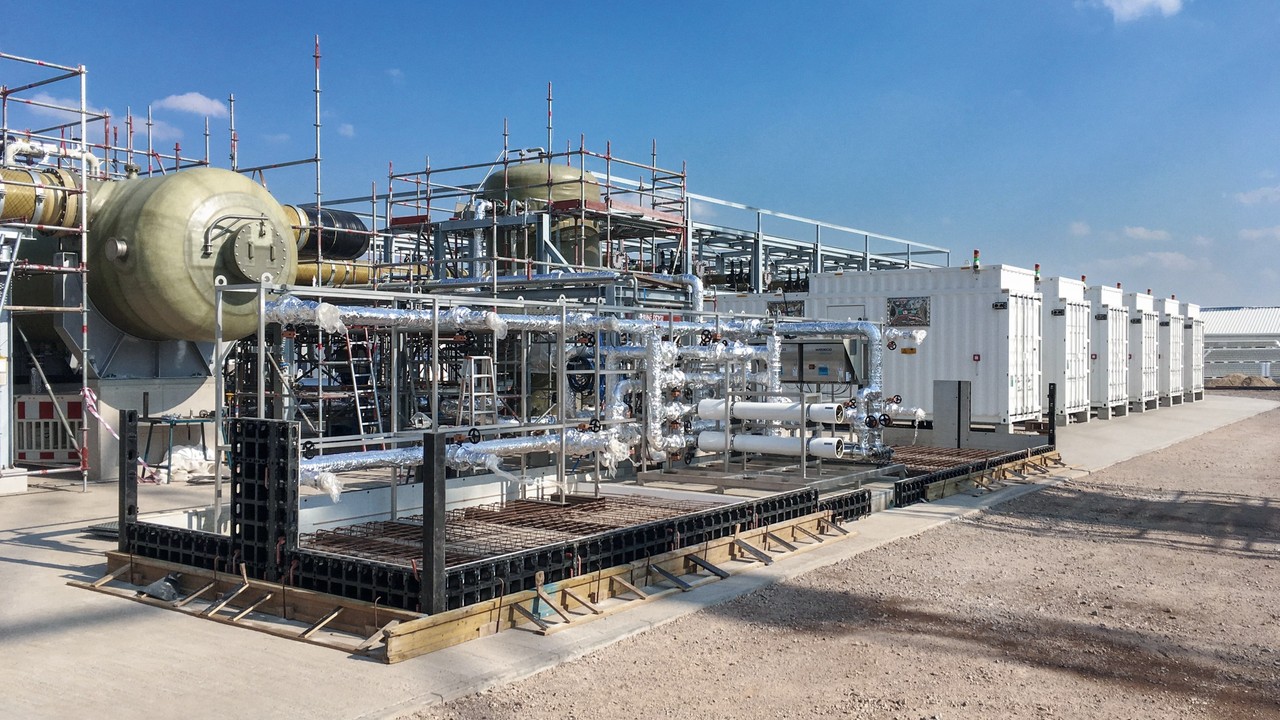
Ceará brings together 7 giants and R$ 66 billion to transform Pecém into the largest green hydrogen hub in Brazil, with final decisions expected by the end of 2026.


For the president of the Brazilian Association of Distributed Generation (ABGD), Guilherme Crispim, the certification will bring more competitiveness to companies and industries in the sector. “It is undoubtedly an additional opportunity to have certification. The Totum Institute is the only institution in Brazil today that has this permission. This also greatly validates our partnership relationship, as with this we can offer our associates and the market this certification possibility,” Crispim stated.
The president also revealed that there are other projects in partnership with the Totum Institute. “We are working together with the certificates for integrators and installers. It is a partnership for many other actions,” revealed the ABGD leader.
For the vice president of the Brazilian Association of Distributed Generation (ABGD), Carlos Café, the renewable energy certificate will provide stability and added value to every kilowatt hour produced in the system.
“We will be able to trade these credits, giving due environmental and energy value. Creating tools like ‘blockchain’ and virtual currencies. In short, there are various possibilities to bring these renewable certificates to market, ensuring that this energy is indeed clean and produced by a renewable unit,” concluded Carlos Café.
Source Courtesy: 220 Press Advisory