Portuguese
  Spanish


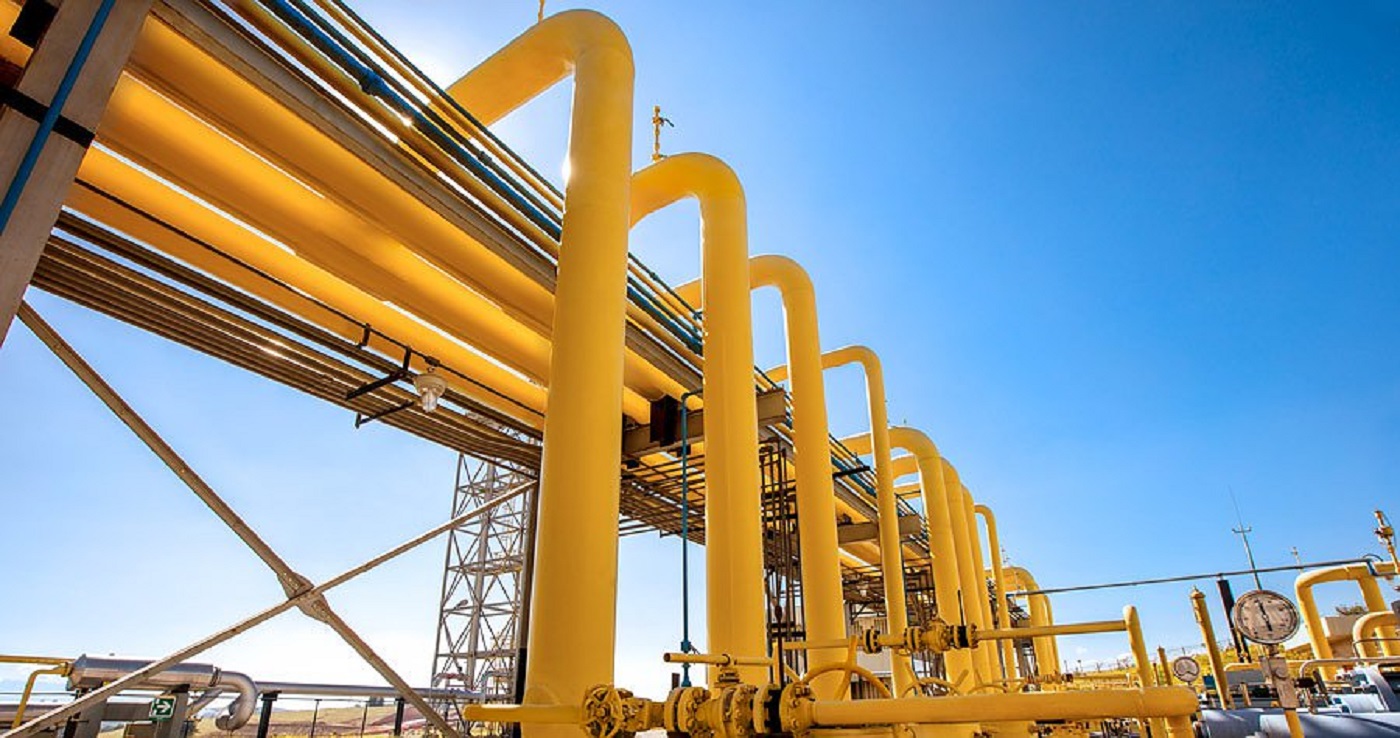

The First Contract For Natural Gas Transport In A Free Environment Between The Two Companies Was Signed By Gerdau With Nova Transportadora Do Sudeste (NTS). The Product Will Be Transported To The Unit Located In Ouro Branco, In The Central Region Of Minas Gerais
The first contract for natural gas transport in a free environment was signed between Gerdau and Nova Transportadora Do Sudeste (NTS). The partnership aims to supply the steel plant located in Ouro Branco (MG).
This signing marks the beginning of the opening process of the natural gas market in Brazil, as it is a milestone in the process and constitutes the first transport contract of a free customer with NTS.
This new contract is a step forward in the management of Gerdau’s portfolio and the risks associated with the open contracting environment, and it is important to emphasize that the company has taken the first step. According to Flávia Souza, Global Director of Procurement at Gerdau, the deal also highlights the company’s pioneering role in an open and sustainable gas market in the long term.
-
Brazil saved US$ 32.4 billion in 2025 by switching from fossil to renewable energy and only ranked behind China and the United States on the IRENA global podium.

-
A company from SC that moves R$ 125 billion in agribusiness is integrated into an international group, maintains its headquarters and jobs in Chapecó, and is preparing to expand software for cooperatives, grain companies, and industries while targeting new markets without leaving the western region of Santa Catarina.
-
Portugal “hides” gold reserves of 382 tons valued at 47 billion euros in an armored building, and the story involves gold from colonial Brazil, Nazi Germany, and a fortune that once amounted to 866 tons.

-
Truck drivers avoid deliveries to supermarkets due to waits that can hinder trips, increase costs, and leave vehicles idle, while the law limits loading and unloading to five hours and provides for payment for the excess time.




The contract is viewed by NTS as a reflection of its well-structured expansion plan, investments, and the opening of existing transport capacity, allowing agility and flexibility to meet the national gas flow.
According to Helder Ferraz, Commercial Director of NTS, the company is prepared to provide logistical solutions to customers who wish to access the natural gas market, leveraging the supply of this raw material in Brazil, at a time when local supply can represent a significant competitive advantage for the industrial sector.
The contract between Gerdau and NTS ensures that the steelmaker always has a reliable supply of natural gas, and it does so in accordance with changes in the legal and regulatory landscape of the natural gas market, especially in the state of Minas Gerais.
The NTS Was Created From A Commitment Term Signed With The National Agency Of Petroleum, Natural Gas And Biofuels (ANP)
After the sale of Petrobras’s assets, a new national company called Nova Transportadora Do Sudeste (NTS) was established in 2017 to transport natural gas in an environmentally responsible and safe manner.
NTS has a delivery capacity of 67 million m3 and a network of over 2,000 kilometers in length. It connects the states of Rio de Janeiro, Minas Gerais, and São Paulo to the Bolivia-Brazil gas pipeline, as well as LNG terminals and gas processing plants. It is responsible for transporting fifty percent of all natural gas transported in Brazil.
About Gerdau
Gerdau, which has been in the market for 121 years, is the largest steelmaker in Brazil and also one of the most important suppliers of long steel in the Americas and special steels worldwide. In addition to producing iron ore for its own use, the company is also responsible for the production of flat steels.
Moreover, it recently created a new business branch called Gerdau Next, which will focus on seeking opportunities in sectors tangential to steelmaking. The organization operates in nine different countries and employs more than 36,000 people directly and indirectly across all its activities.
Gerdau, which produces 71% of the steel in Latin America, is also the largest recycler in Latin America and uses scrap as a significant component of its raw material supply. The production of various steel products begins with 11 million tons of scrap that are recycled each year.
Also considering the environment, the company has one of the lowest average greenhouse gas emissions (CO2), averaging 0.90 t of CO2 per ton of steel, as a result of its sustainable production matrix.