






 Portuguese
  Spanish


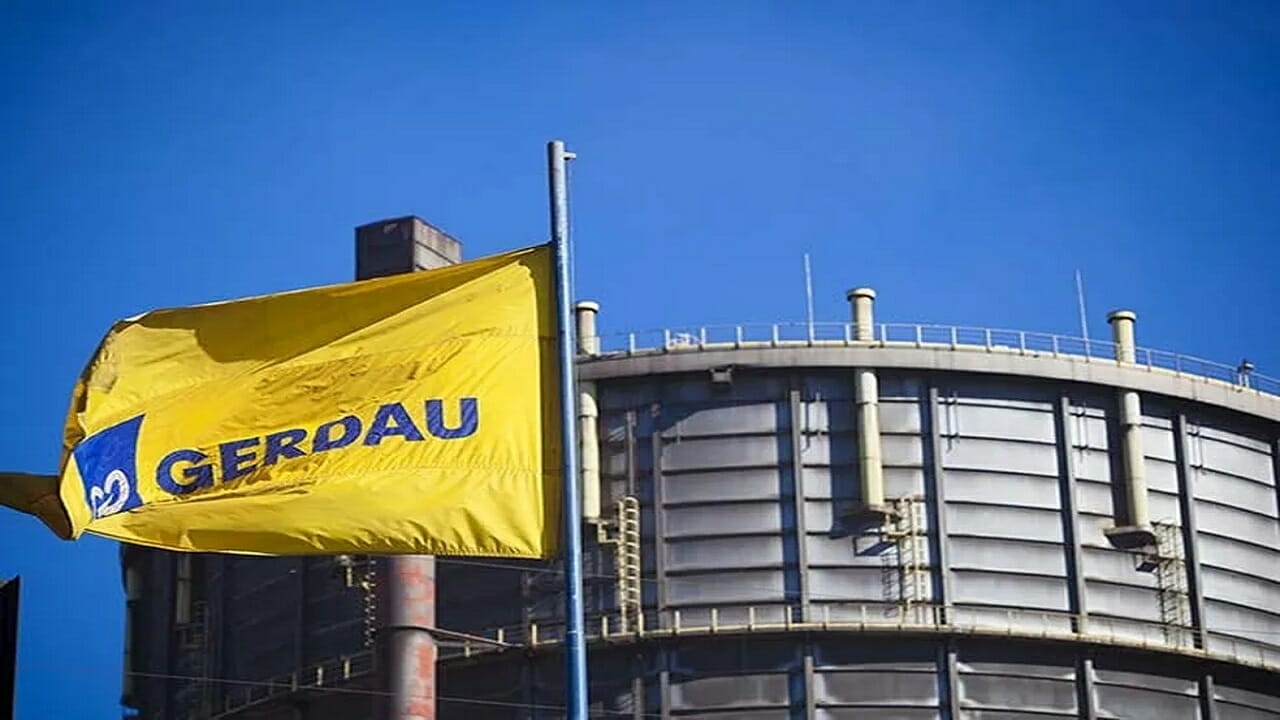

Gerdau Is on the Brink of Promoting a Wave of Layoffs in Brazil. If the Federal Government Does Not Develop an Import Tax on Steel, Gerdau May Dismiss Thousands of Workers.
The CEO of Gerdau, Gustavo Werneck, stated on Wednesday (9/27) that Gerdau is on the “brink” of promoting a wave of layoffs in Brazil. Gerdau will lay off workers due to idleness in the company’s industries spread across Brazil. According to Werneck, at a sector conference hosted by the Aço Brasil entity, the company is currently on the brink of having to promote layoffs and dismissals.
Gerdau Plant in Ceará is Idle
Werneck highlights that at Gerdau there are 600 people with suspended work contracts and noted that the plant in Ceará is completely idle. In São Paulo and from north to south of Brazil, operations are not running.
The executive has not yet stated that the people who are at home are awaiting a decision from the federal government that could resolve the issue of layoffs. Werneck referred to the request from the steel sector for the government to develop a import tax on steel, with a rate of 25%.
-
At 14 years old, she worked in a factory in Hong Kong, studied economics abroad, and then entered the Chinese real estate market, which helped change the landscape of Beijing.

-
While NATO secured more than $10 billion in missiles and space surveillance at a single forum, Brazil still spends 1.1% of its GDP on defense and is stalling its own anti-aircraft system.

-
Corn ethanol attracts R$ 23 billion in 21 new plants and prepares for a nearly 50% jump in Brazilian production by 2027, even with high interest rates.
-
A newly opened terminal in the middle of the Amazon has begun transporting soy and corn through Amapá, eyeing the queue of ships that is congesting the ports in the South.


So far this year, Gerdau’s preferred shares have fallen by more than 13%. In the last month, although China has given some signs of recovering, besides stimulating its economy, the assets fell by 3%.
For some time now, executives from Brazilian steel companies have shown discomfort with the fact that Chinese steel is entering Brazil; during the teleconferences for the second quarter results, complaints about the lack of taxation were constant.
Understand Why Gerdau May Lay Off Employees in Brazil
According to the executive’s assessment, the current moment of the Brazilian steel industry indicates that the sharp increase in the volume of imported steel, especially from China, is harming national production.
Werneck states that if the government does not make decisions in the next 30 days regarding the increase in the import tariff, the situation will worsen. Urgent actions are necessary to raise the tariff by 25%, or there will be significant difficulties.
The diagnosis from Gerdau’s president was echoed by the president of ArcelorMittal Brazil and president of the board of the Aço Brasil Institute, Jefferson De Paula, who confirmed the possibility of social problems if the scenario persists.
De Paula states that 1.3 million tons of steel will be produced less due to the current import scenario. Its capacity is between 15 million and 16 million tons; however, less will be produced. If the scenario continues the same, there will be a social problem in the country.
Increase in Steel Imports
For Jefferson De Paula, steel imports have increased by about 40% in 2023 compared to last year. The executive also added that the projection for the end of the year is a 6% drop in domestic sales.
According to the executive, one of the main barriers to growth in the country is interest rates. De Paula further advocated for the government to use incentives for low carbon initiatives focusing on industry and research development: “The steel industry will be completely transformed in terms of technology and processing.”
According to the executive, the availability of scrap and the supply of natural gas at equivalent prices will be essential for reducing pollutant emissions in the sector. Carbon neutrality necessarily involves the supply of sustainable energy, one of the pillars of neo-industrialization in the country. The main agenda of the Brazilian steel industry is to establish trade defense measures in the domestic market. The sector advocates for a 25% annual import tariff on steel products.








