Portuguese
  Spanish


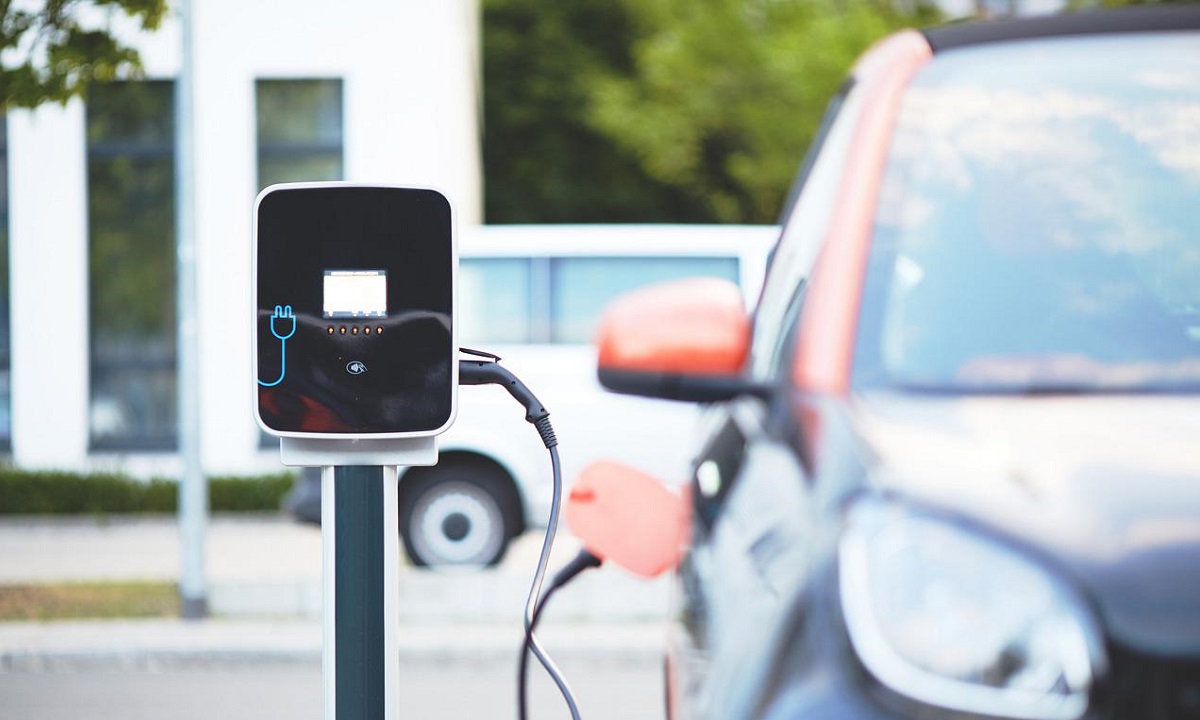

The Billion-Dollar Investment Was Made by Giants LG and Honda for the Production of Batteries for Electric Cars from the Manufacturer. The Construction of the Factory Will Begin in Early 2023
The South Korean battery manufacturer LG and the Japanese automaker Honda are allocating US$ 4.4 billion in investments for a factory in the United States. The agreement between the companies aims to produce batteries for Honda electric vehicles in the North American market, according to CNN Brasil on Monday, the 29th.
The location of the battery factory for electric cars has not yet been defined, but construction will begin in early 2023, with the production of advanced lithium-ion battery cells starting by the end of 2025.
The companies stated that the new electric vehicle battery factory is likely to be near Marysville, Ohio, or Greensburg, Indiana, where Honda has large factories producing its most popular models, such as the Accord, CR-V, and Civic.
-
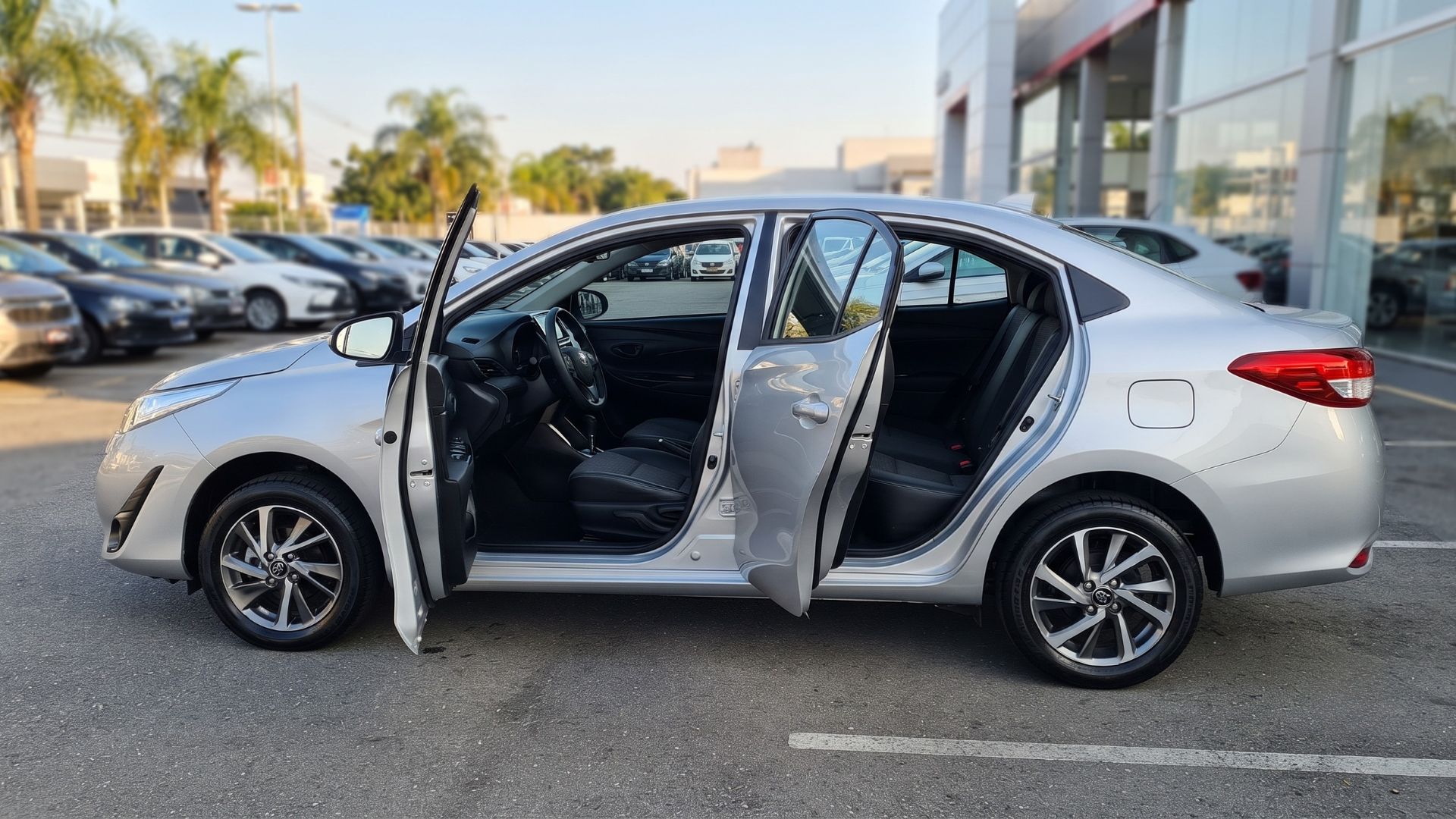
Automatic, economical, and known for reliability: with a 1.5 engine of up to 110 hp, CVT transmission, seven airbags, and fuel consumption of up to 15.9 km/l, this used hatchback appears as a rational alternative to Polo, HB20, and Onix; meet the Toyota Yaris XLS 2020.

-
He surpassed the Tera, Creta, and Tracker: With a TSI engine of up to 150 hp, 6-speed automatic transmission, and a 373-liter trunk, the Volkswagen T-Cross was the best-selling SUV in June, with 11,753 registrations.

-
It looks factory-made, but it came out of a workshop: a mechanic from Pernambuco builds a handcrafted “mini Toyota,” drives it through the streets, and the video goes viral on social media, leaving residents astonished.
-
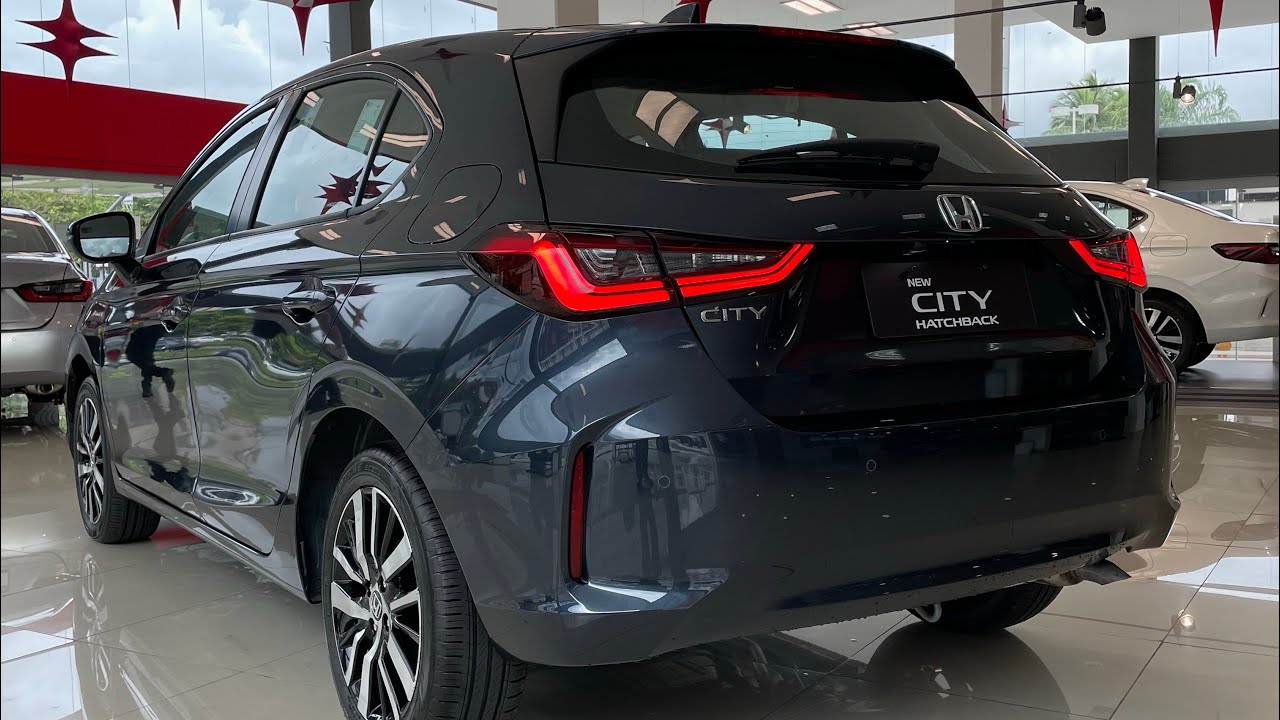
Hatch with sedan space and 1.0 car consumption: equipped with a 1.5 engine with 126 hp, CVT transmission with seven simulated gears, and consumption of up to 17.4 km/l, this used Honda delivers technology, comfort, and reliability; meet the 2022 Honda City Hatch Touring.


The joint venture is expected to be formed later this year, with the deal subject to the approval of regulatory entities. “Our joint venture with Honda, which has a significant reputation, is yet another milestone in our medium to long-term strategy to promote electrification in the fast-growing North American market,” said Youngsoo Kwon, CEO of LG Energy Solution.
The factory will produce batteries exclusively for Honda vehicles assembled in North America, including the luxury brand Acura, according to a joint statement from the companies.
Panasonic Also Invested in Electric Car Battery Production in the U.S.
Panasonic is currently supplying lithium batteries to Tesla from the joint venture in Nevada and Japan. The battery production lines in the country are more effective, and Panasonic is currently seeking to improve battery manufacturing processes in the U.S. so that the factories in the country can achieve the efficiency of Japan. Panasonic has reservations about increasing productivity by 10%.
Some Japanese technicians went to Nevada in the first half of 2022 to optimize battery production at a local traction battery factory, according to Nikkei Asian Review. In the future, the improvement of the factories is expected to boost annual production of traction batteries with a total capacity of 43 GWh.
In the U.S., Panasonic will increase production of 2170-sized lithium cells, which have been used for a long time and are expected to gradually be replaced by more modern 4680-type cells. Panasonic is already manufacturing these latter batteries at its pilot line in Japan and the U.S. At the last quarterly conference, Elon Musk admitted that this year Tesla’s capacities would not be limited by the number of available 4680 cells. Panasonic stated in July that it is planning to build a new battery cell unit in Kansas; however, this venture will not take place until at least 2024.
The Chinese media directly discussed the possibility of Tesla using battery packs made by the Chinese company BYD at its factory in Berlin during the week of August 8. Tesla’s electric vehicles now use cylindrical battery cells, and modifying to batteries would complicate battery production processes in Berlin extremely, so these rumors should be treated with caution.
However, it is possible that in some models of the following years of electric vehicles, Tesla may foresee the use of Panasonic batteries with different layouts, especially in China, where it is heavily reliant on local suppliers.
According to the Chinese press, Tesla is already using BYD’s Blade batteries in its electric vehicles developed at the large Berlin factory, a unit that was established this year and is in the ramp-up process.