





 Portuguese
  English
  Spanish
 3 min of reading
  0 comments


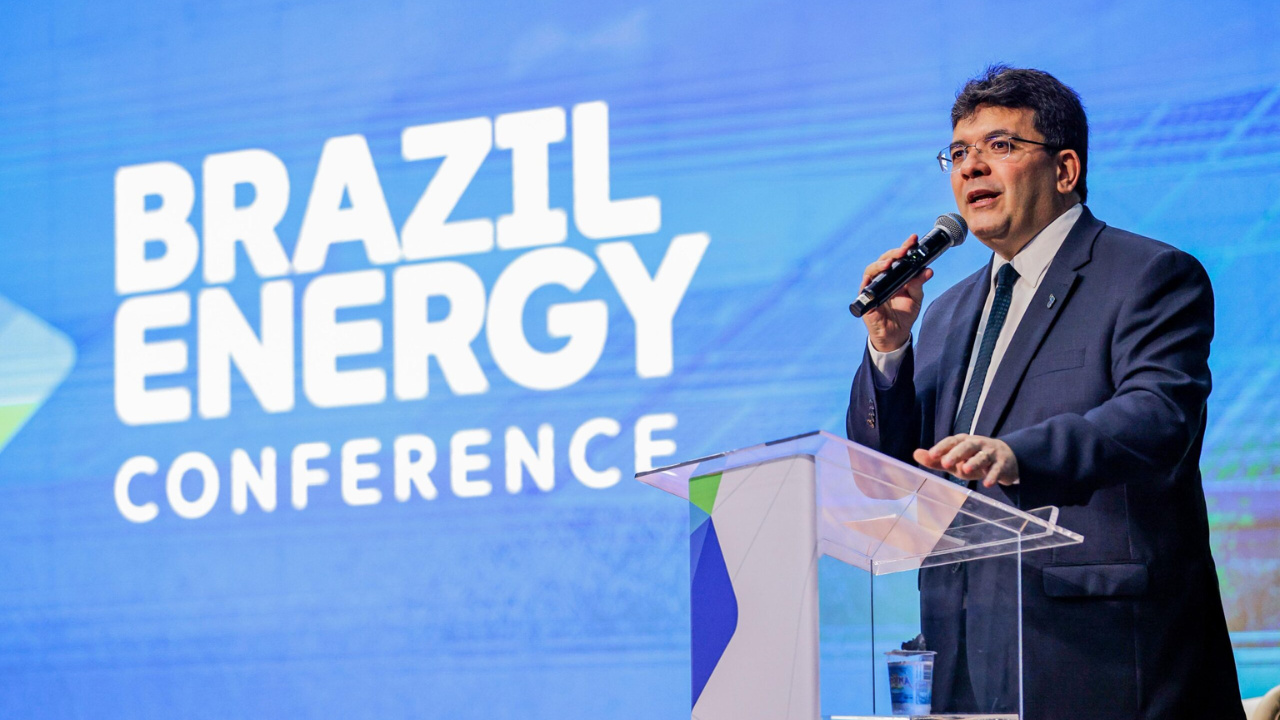
Piauí Becomes One of Brazil’s Largest Renewable Energy Hubs by Producing Much More Clean Energy Than It Consumes, Attracting Data Centers, Green Hydrogen, and Large Industrial Investments.
The Piauí has ceased to be merely a state in the Northeast and has taken on a strategic role in Brazil’s energy map. At a time when the world is racing to reduce emissions and become less dependent on polluting fuels, the state emerges as one of the big winners of the renewable energy era.
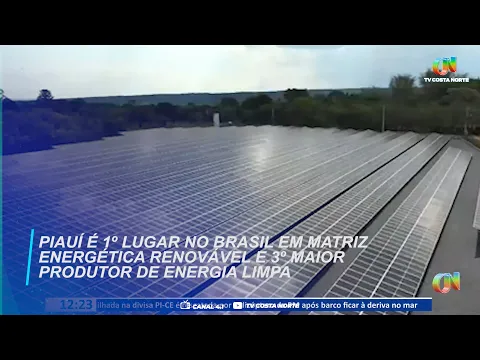
Today, Piauí is already the third largest national producer of solar and wind energy. Even more striking is the fact that the state generates about 9 gigawatts (GW) of power while consuming only 1 GW. This means it produces nine times more clean energy than it needs to operate.
This enormous surplus has turned the state into a target for investors, technology companies, and industrial projects looking for cheap, stable, and low-impact energy.
-
The world could operate on clean electricity by 2050, but a study indicates that this would require up to 20 TW of renewable energy, more than 9 million hectares for solar, and strong cooperation between countries.

-
New catalyst developed by scientists in the USA enhances the performance of water electrolysis without using platinum, reducing operational costs and expanding the potential of green hydrogen as a strategic alternative for industries, heavy transportation, and clean energy generation.
-
China implements basalt fibers tested on the Moon to contain the desert’s advance in 1 million hectares, and the program surprises scientists worldwide.
-
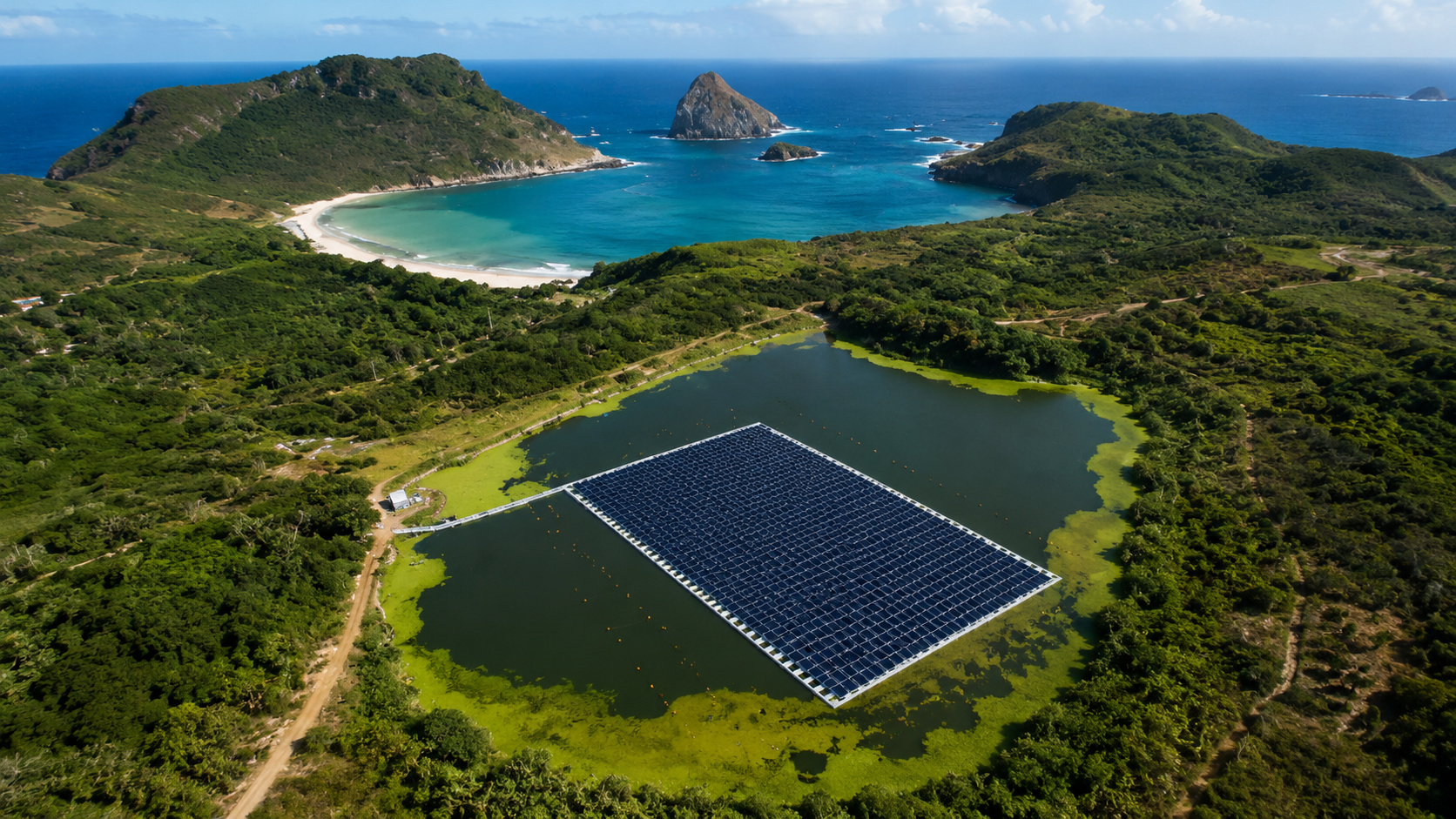
Fernando de Noronha begins unprecedented energy transformation with a R$ 350 million solar plant that promises to replace diesel generation and change the island’s sustainable future by 2027.


Energy Surplus Becomes an Asset to Attract Green Industries
In an interview given on Sunday (1st) to a national media outlet, Governor Rafael Fonteles made it clear that the government’s focus now is not just to generate electricity, but to use renewable energy to change the state’s economy.
“Piauí generates 9 GW of power and consumes only 1 GW. The idea is to industrialize, in a green manner, this energy surplus with data centers, green hydrogen, and green steel,” he stated.

In practice, this means using clean electricity to attract factories, data centers, and industries that require a lot of energy but want to reduce their carbon footprint. Thus, the state is trying to turn wind and sun into jobs, income, and economic growth.
Piauí’s Wind Farms Will Supply Large Projects Outside the State
Moreover, Piauí is not isolated in this strategy. The government is working collaboratively with other Northeast states to supply energy to large-scale enterprises.
One of the most emblematic cases involves a wind farm that will be installed in the municipality of Dom Inocêncio, in the southern part of the state. According to Rafael Fonteles, the project will have an estimated investment of R$ 5 billion and will be responsible for supplying a large data center to be built in Ceará.
“Ceará will receive a significant data center project, but the wind farm that will supply this facility is located in Piauí,” the governor explained.
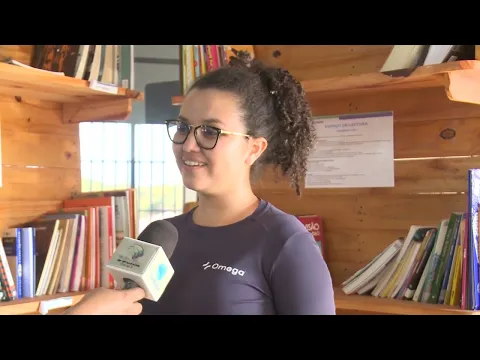
This shows that the state is already acting as a clean energy exporter, reinforcing its role in advancing renewable energy in Brazil.
Clean Energy Becomes a Key Component of the New Economy
While many states are still trying to adapt to the energy transition, Piauí has already taken the lead. The policy adopted by the government seeks not only to increase production but also to add value to the energy generated.
The idea is to create productive chains linked to sustainability, innovation, and the decarbonization of the economy. Green hydrogen, green steel, and digital infrastructure powered by clean energy are part of this plan.
With this, the state aims to position itself as a development hub aligned with the demands of the international market, which increasingly calls for products manufactured with low environmental impact.





Be the first to react!