Portuguese
  Spanish


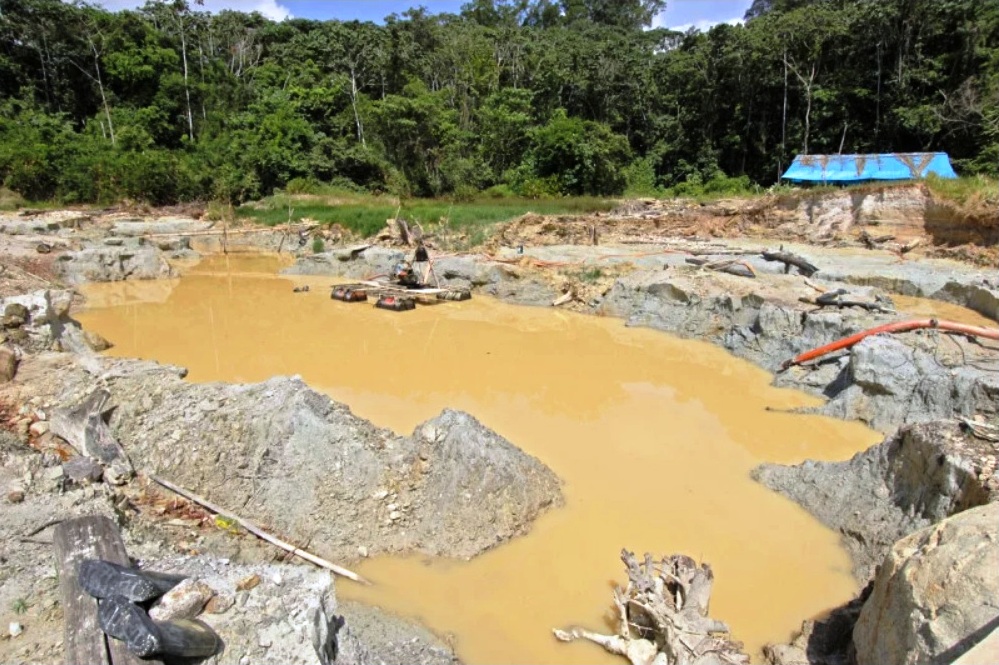

President Jair Bolsonaro’s Project Seeks to Authorize Exploration of Indigenous Lands – Oil, Gas, Minerals, Hydroelectric Power, and Livestock, for Example, Are Among the Items to Be Approved by Congress
Oil exploration in Brazil may reach unconventional regions under the Bolsonaro administration alongside the mining sector; the opening of indigenous reserves to these economic activities was already on the Federal Government’s radar. These regions are rich in natural resources such as oil, gold, copper, nickel, and iron ore. The government’s goal is to bring economic development to these areas through exploration, creating jobs and boosting the economy.
You Might Also Like:
- Maritime Workers Are Called to Work in RJ with IMMEDIATE Start in Brazilian Service Company
- Offshore Vacancies Were Announced by Constellation for Boarding on a 14×14 Schedule in the Rio das Ostras Region
- Multinational Company Announces Job Openings to Work Offshore on Oil Tanker
- Brazil Collects R$ 848 Million in 2019 with Oil and Gas Contracts in the Pre-Salt
The project is controversial and has received criticism both in Brazil and abroad, as indigenous populations may be consulted but will not have veto power. The future of their lands will not depend on them. However, Minister of Mines and Energy Bento Albuquerque assures that many leaders of indigenous communities have asked the Bolsonaro government to allow mining on their lands.
Some tribal leaders, such as the chief and Nobel Peace Prize nominee Raoni Metuktire, for example, continuously travel across Europe trying to defend their territories from the exploitation promoted by the government.
-
Qantas and Airbus Invest in Company Aiming to Convert Unsorted Household Trash into Jet Fuel

-
Brazil to Issue “Panda Bonds” in China, Aiming to Raise Up to 5 Billion Yuan at Lower Interest Rates Than Dollar Debt
-
NATO Faces Internal Tensions as U.S. Pushes for Increased Defense Spending, Targeting 5% of GDP by 2035, with Warnings for Countries Near 2% Level
-
Brazil to Introduce B16 Diesel with Increased Soybean Oil Content for Trucks by 2026

President Bolsonaro sees these campaigns as threats to national sovereignty and claims that these movements are attempts by other countries to seize territory, which he says aims to “appropriate” the Amazon not only for oil but for the abundance of energy resources found there.
The Government Is Against Taxation of Solar Energy
Last week, Bolsonaro expressed on social media his opposition to the charge by Aneel of a fee on its distribution network for customers who generate solar energy in their homes. Learn the details and justifications from the government on this subject here.