Portuguese
  Spanish


With an Investment of R$ 38.7 Million, Rio Grande do Sul Starts New Phase in Energy Transition by Authorizing the First Green Hydrogen Station in RS, Strengthening Innovation and Sustainability
The government of Rio Grande do Sul signed on Wednesday (12) the contract and delivered the environmental license for the installation of the first green hydrogen station in RS, an innovative project symbolizing the State’s commitment to sustainability and energy transition.
The total investment is R$ 38.7 million, including R$ 30 million in state subsidies. The announcement was made by Governor Eduardo Leite in Belém (PA) during COP30, reinforcing the State’s leadership in the national clean energy landscape.
Project and Environmental License Details in Rio Grande do Sul
The contract formalizes the partnership between the government of Rio Grande do Sul and the company responsible for implementing the station, whose identity was revealed at the ceremony. The environmental license was issued by the State Foundation for Environmental Protection (Fepam), ensuring that the project meets all required technical and ecological criteria. The investment of R$ 38.7 million covers everything from the preparation of the executive project to the installation of the storage and supply infrastructure for green hydrogen.
-
Brazilian scientists are simultaneously advancing two research projects on clean hydrogen and driving solutions that could transform the energy matrix, enhance industrial competitiveness, and accelerate large-scale emission reduction targets.

-
Advancement in renewable energy: A R$ 150 million project launched by Petrobras and Finep aims to create state-of-the-art electrolyzers for green hydrogen, strengthening national research and preparing Brazil to compete in a billion-dollar energy market.
-
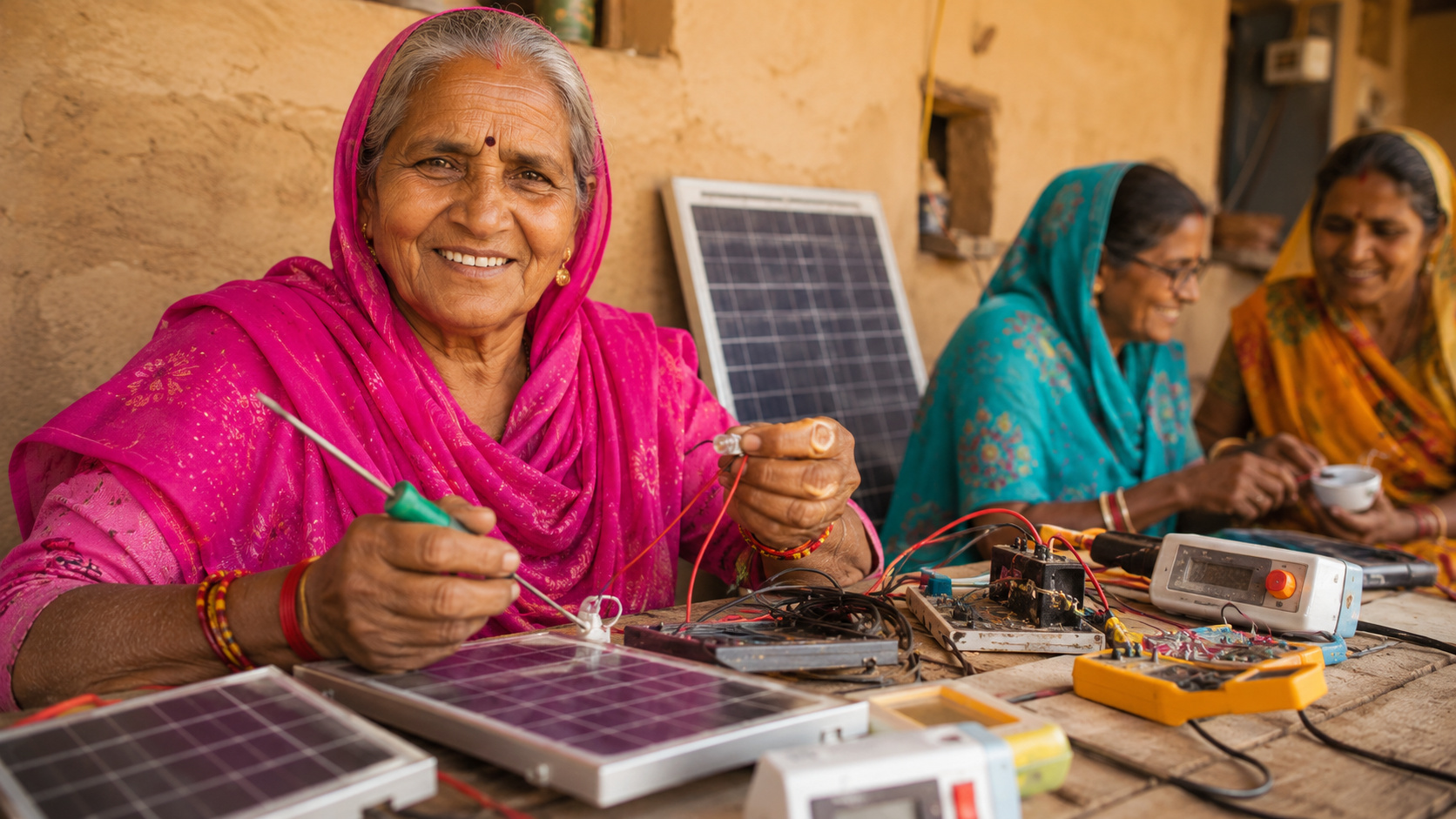
Illiterate or semi-literate grandmothers were trained to repair solar systems, open rural workshops, and light up homes that still depended on kerosene.
-
The world has bet on green hydrogen as the fuel of the future, but now faces the side effect: producing 1 kilogram requires about 9 liters of ultrapure water, and the largest projects on the planet are precisely in the driest regions of the Earth, where water is already scarce for people.



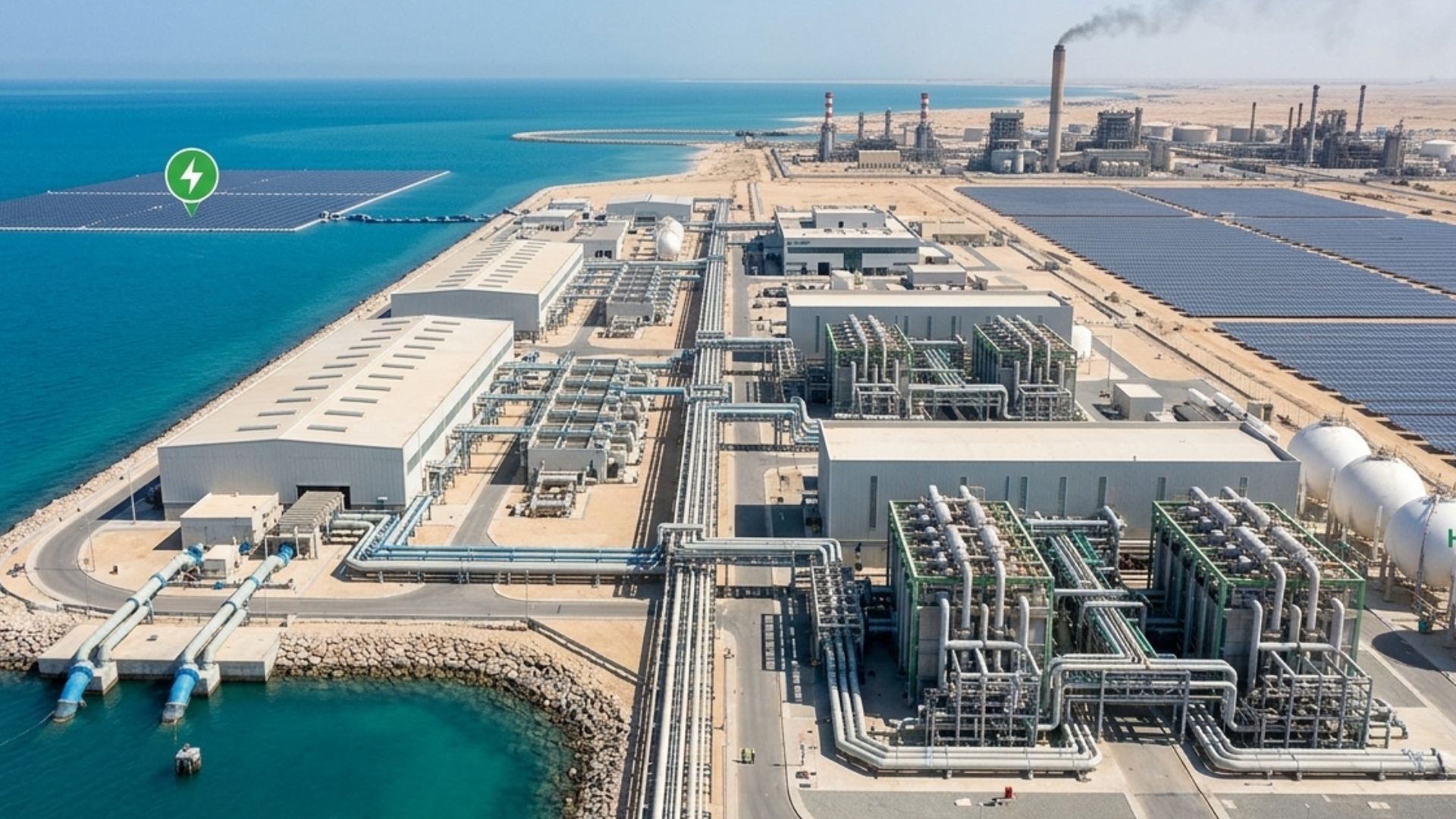
According to the government, the R$ 30 million subsidy aims to accelerate the consolidation of the fuel’s production chain in RS and create a favorable environment for innovation. According to Leite during the announcement, this is a real advancement to position Rio Grande do Sul as a national reference in clean energy and sustainable development.
Green Hydrogen: Strategic Pillar for the Future of RS
Green hydrogen is produced from the electrolysis of water using energy from renewable sources, such as solar and wind. The result is a carbon-free fuel that is highly versatile, with potential applications in industry, transportation, and energy generation.
For Rio Grande do Sul, investing in green hydrogen means betting on an energy vector capable of diversifying the local matrix and strengthening the low-carbon economy.
According to the state government, the first green hydrogen station in RS is just the beginning of a broader strategy aimed at attracting research centers, startups, and international companies specializing in clean technologies. In addition to reducing emissions, the project opens opportunities for new productive chains, creating skilled jobs and boosting the green economy of Rio Grande do Sul.
Economic and Social Impacts of Investment in Rio Grande do Sul
The investment of R$ 38.7 million, complemented by the R$ 30 million subsidy, has the potential to generate dozens of direct and indirect jobs during the installation and operation phases.
The project will require professionals specialized in engineering, automation, environmental control, and energy management. In addition, there is an expectation of strengthening the local innovation ecosystem through partnerships between universities, technological centers, and industry.
Experts point out that green hydrogen could generate trillions of dollars in the global economy by 2050, and states that invest early in this area are more likely to attract industries and research centers. Rio Grande do Sul, therefore, strategically positions itself to integrate this new economic frontier.
Environmental Licensing and Sustainability Guarantees
The environmental license granted by Fepam is one of the main milestones in the process, as it guarantees the safety and environmental compliance of the project. According to the state agency, the licensing considered strict criteria for emissions control, storage safety, and reduced environmental impact.
Green hydrogen, unlike fossil fuels, does not generate pollutants and can significantly contribute to the state’s decarbonization goals. The project also plans to use renewable energy at every stage, from production to compression and distribution of the gas, minimizing the overall carbon footprint.
The Role of Rio Grande do Sul in the Brazilian Energy Transition
Rio Grande do Sul has been standing out in renewable energy policies in recent years. In addition to investing in green hydrogen, the State is already leading projects in wind and solar energy, particularly in parks installed in the southern region and in the Campanha Gaúcha.
These initiatives complement the state plan for energy transition, which aims to reduce dependence on fossil fuels and increase the production of clean energy by 2030.
The first green hydrogen station fits into this goal, representing a new frontier of sustainable supply and stimulating research in low-impact mobility.
Furthermore, RS aims to integrate into international networks of innovation in green hydrogen, connecting with similar initiatives in Santa Catarina, Ceará, and Bahia — states that are also advancing in this sector.
Challenges and Opportunities for the Development of Green Hydrogen in RS
Although the project is promising, there are technical and economic challenges to overcome. The cost of producing green hydrogen is still higher than that of fossil fuels, which limits its competitiveness.
However, experts estimate that the price should decrease by 2030, driven by technological innovations and increased production scale. Another important point is the development of a distribution and supply infrastructure. The pioneering station will serve as a laboratory to understand logistical demands, safety standards, and operational feasibility.
Additionally, it will be necessary to invest in professional training, as the handling and transportation of hydrogen require specific training and differentiated safety protocols.
The government of RS intends to closely monitor the project’s execution, ensuring that it becomes a model of efficiency and innovation. If successful, it could inspire the establishment of other stations in strategic cities such as Porto Alegre, Canoas, and Caxias do Sul.
Direct Benefits and Projections for the Future of the Sector in the State
The creation of the first green hydrogen station places Rio Grande do Sul among the pioneering states in adopting clean energy solutions in Brazil. Among the expected benefits are:
- Attraction of new investments both nationally and internationally in sustainable technologies;
- Job creation in technical and innovation fields;
- Reduction of carbon emissions and progress in environmental policies;
- Strengthening the image of RS as a hub for renewable energy in the country;
- Expansion of clean mobility, with potential to supply heavy vehicles, buses, and corporate fleets.
In the long run, the State may develop a complete green hydrogen ecosystem, from production to consumption, integrating universities, industries, and startups. This integration is essential to consolidate RS as a reference in energy innovation in South America.
A Historic Milestone for Clean Energy and the Future of Rio Grande do Sul
The contract, along with the granted environmental license, represents a turning point for the energy sector of Rio Grande do Sul.
The first green hydrogen station in RS, with an investment of R$ 38.7 million, is more than just an infrastructure project — it is a symbol of economic and environmental transformation.
By adopting a long-term vision and investing in public-private partnerships, the State demonstrates that it is possible to align economic growth, innovation, and environmental responsibility.
In the coming years, the challenge will be to expand this initiative, ensuring that green hydrogen consolidates as a strategic vector for sustainable development and positions RS at the forefront of the Brazilian energy transition.