Portuguese
  Spanish





Government Requires Temporary Job Maintenance for Companies Benefiting from Aid. New Provisional Measure Conditions Access to Emergency Credit on Job Preservation or Expansion in Response to Tariff Hike Imposed by the USA
The federal government announced that companies applying for credit under the special conditions created to face the tariff hike imposed by the United States will have to commit to temporary job maintenance. This requirement will be included in a contractual clause in the financing of the contingency plan to be formalized by a provisional measure (MP) to be signed by President Luiz Inácio Lula da Silva on Wednesday.
The measure is a direct response to the additional tariffs of 40% imposed by the president of the United States, Donald Trump, on various Brazilian products, raising the total rate to 50%. The impact especially affects sectors such as meat, coffee, fruits, seafood, footwear, and textiles. To mitigate the economic effects, the government will allocate R$ 30 billion in financing and will reformulate the Export Guarantee Fund (FGE), including new support mechanisms for exporters.
What Does Temporary Job Maintenance Entail
The Ministry of Management and the Ministry of Finance confirmed that all benefiting companies must maintain or expand their workforce for the duration specified in the contract. The idea is to prevent public resources from being used merely to alleviate cash flow without ensuring social countermeasures.
-
Brazil’s 2026 Tax Refund: Record 9.58 Million Filers in Largest Payout Ever, But a Key Detail on Priority Recipients Draws Nationwide Attention

-
Itaú Alters Hybrid Work Model, Increasing Office Days from 2028, Prompting Employees to Adjust to New Routine
-
Facing Labor Shortage, Japan Plans to Invest $34 Million to Attract Foreign Workers in Construction, Healthcare, Industry, and Commerce

-
Brazilian City Makes Remarkable Leap, Becomes 4th Wealthiest in the Country with GDP of R$ 134.1 Billion



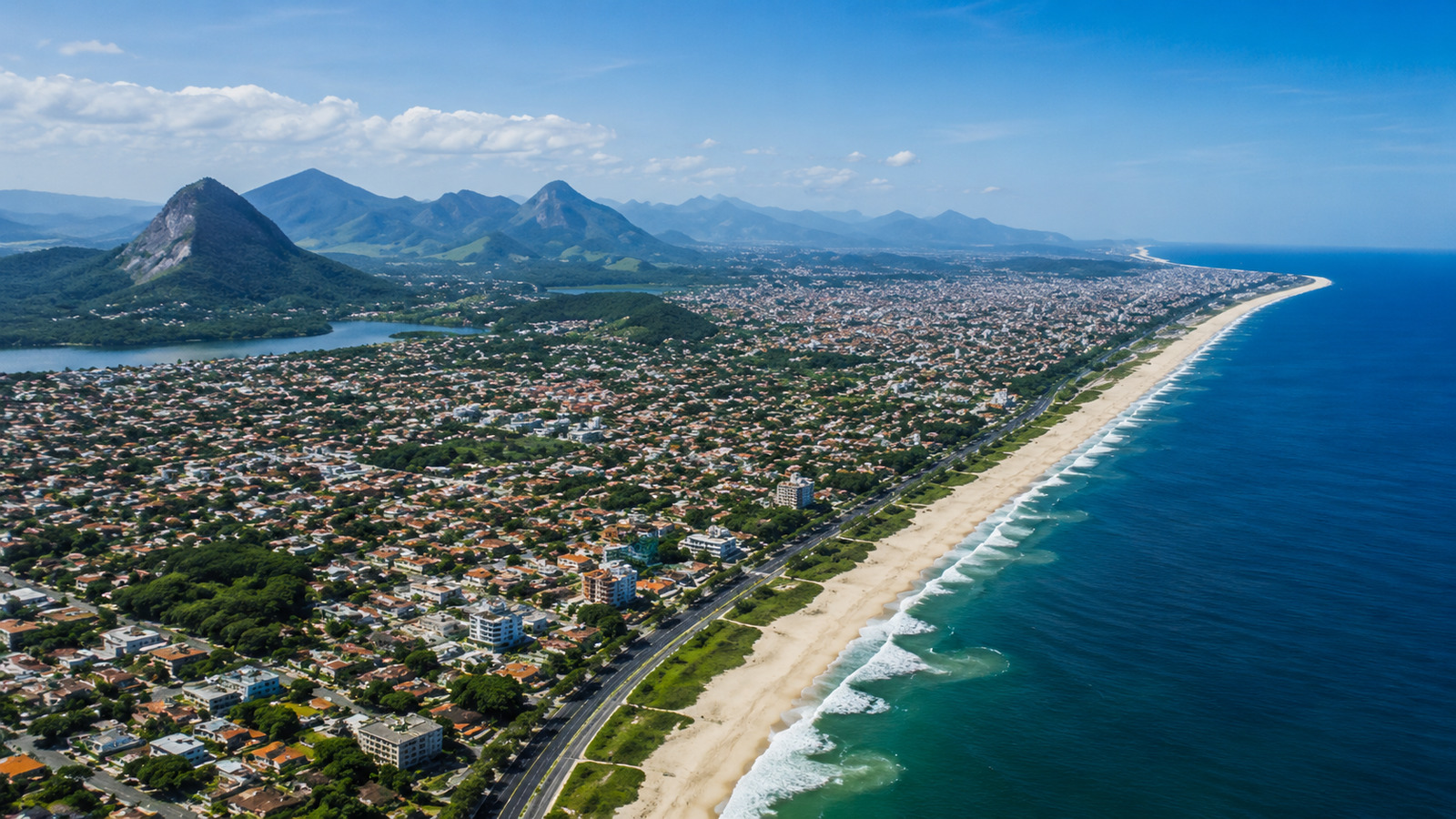
The temporary stability must last at least until the financing is paid off or for a minimum period defined by the National Monetary Council (CMN), which will also decide on interest rates, grace periods, and repayment terms. Small and medium-sized exporting companies, especially those dealing with perishable food products, are among the main beneficiaries of the credit line.
Emergency Credit for Most Affected Sectors
The package provides for R$ 30 billion in emergency credit, prioritizing sectors harmed by the 50% tariffs from the USA. This financing can be used for:
- Working capital to maintain operations amidst the drop in exports.
- Adaptation of productive activities aimed at reducing dependence on the North American market.
- Technological investments to open new markets.
- Strengthening of productive chains with a focus on export.
In addition, there will be a government purchase program for products that have lost market share in the USA, such as fruits, honey, and seafood, to avoid waste and economic losses in the sector.
Reformulation of the Export Guarantee Fund
Currently, the FGE acts as export credit insurance, guaranteeing the payment of debts from foreign importers. With the MP, the fund will also begin to directly provide financing lines for exporters and suppliers impacted by the tariff hike.
The goal is to broaden the reach of operations, facilitate access to credit, and prevent the collapse of production chains dependent on the North American market. The reformulation will also allow for investments to adapt products and processes to new markets.
Context of the Tariff Hike and Economic Impacts
The tariff hike came into effect on August 6, affecting products that represent a significant portion of Brazilian exports to the USA. According to analysts, the US measure is likely to exert internal pressure on inflation and employment in the affected sectors.
The Vice President and Minister of Development, Industry and Commerce, Geraldo Alckmin, has been leading negotiations with US authorities to reverse or mitigate the tariffs. Meanwhile, the strategy is to offer alternatives for companies to maintain production and jobs in Brazil.
Do you think the requirement for temporary job maintenance is enough to protect workers against the tariff hike? Or do you believe other measures should be taken? Leave your opinion in the comments; we want to hear from those who live this reality firsthand.