






 Portuguese
  Spanish


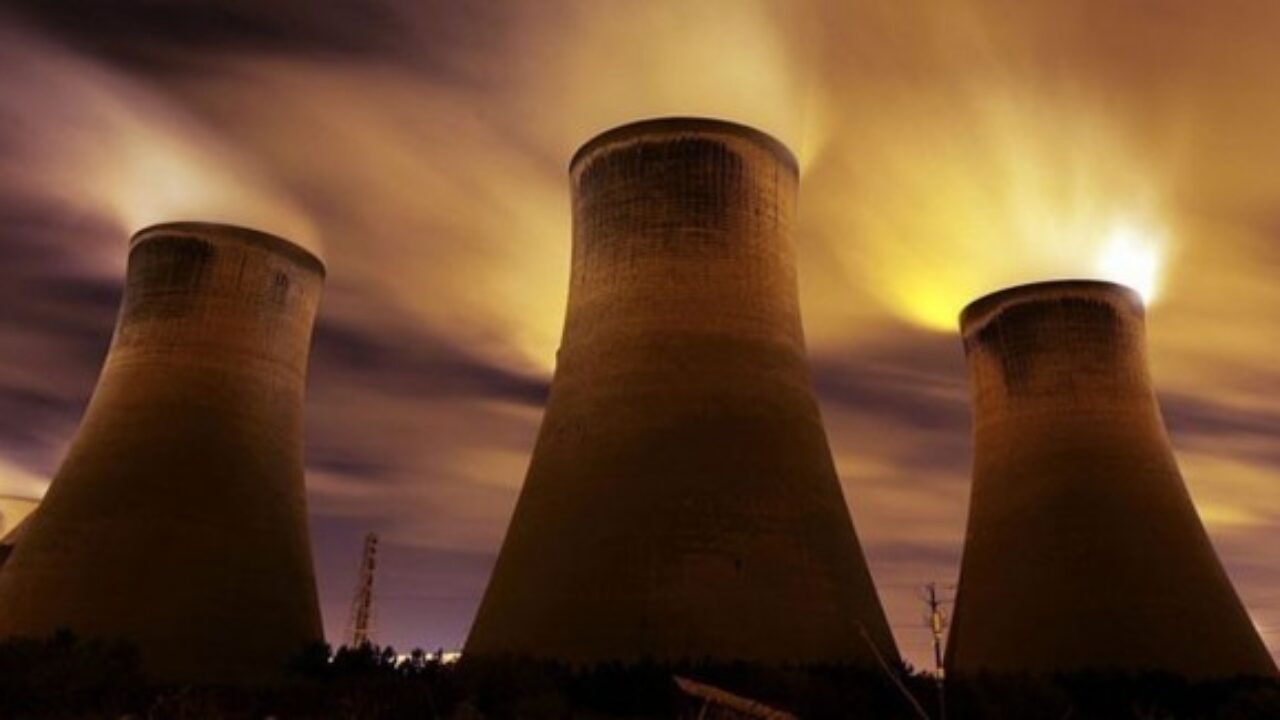
Officially, the estimate is that the new plant will be capable of generating 1 gigawatt (GW) of energy, enough to supply a city with one and a half million inhabitants
The Federal Government announced, this Monday (01/24), the Decennial Energy Plan (PDE) from the Ministry of Mines and Energy, which outlines the construction of a new nuclear plant in Brazil. Although it has just been announced, the plant will only start operating in 2031.
The information is included in the PDE, the foundational document for strategic planning for the sector by the Government. Thus, even though the government has not indicated the construction site for the plant, the PDE assures that it will be located in the Southeast or Midwest. This confirms Minister Bento Albuquerque’s statement in an interview given in December 2021 for a television channel, where he said that Rio de Janeiro is a “strong candidate” to house Brazil’s fourth nuclear plant.
See also:
- Oneof the largest lubricant producers in the world, Moove offers job vacancies for in-person and remote work in Rio de Janeiro and São Paulo
- Ministry of Economy offers 48 free online courses (EAD) with certification in areas such as infrastructure, logistics, environment, and more
- New projects from HT Micron are demanding many technical professionals, engineers, and analysts in Rio Grande do Sul
- Partnership between Wilson Sons and Porto do Açu celebrates 5 years focused on innovation and sustainability
- Notice for the privatization process of Codesa, the first in the Brazilian port sector, is approved by Antaq and will be published by BNDES
Officially, the estimate is that the new plant will be capable of generating 1 gigawatt (GW) of energy, enough to supply a city with one and a half million inhabitants. The government argues in the PDE that Brazil is also privileged in terms of uranium availability, the main source for a nuclear plant, and possesses all the necessary technology, from mining to assembly.
-
Controversial 6-day Workweek Elimination in Brazil Faces Economic Criticism Over Productivity Claims

-
Itaú to Refund Customers After 14 Years of Unauthorized Credit Card Charges; Agreement Includes No Interest or Adjustments, Deadline by 2028, with Potential Impact of Up to $6.5 Billion

-
Brazilian Company Grows from Bartering Soap for Food to Producing 30 Million Units Monthly, Challenges Global Giants with $100 Million Revenue and Expands into Premium Cosmetics
-
Petrobras and Engeko’s New Investment Plan Promises Billions and Thousands of Jobs, Capturing Market Attention


With two nuclear plant units, Angra 1 and 2, in Angra dos Reis (RJ), the nuclear energy matrix currently accounts for less than 3% of all energy generated and consumed in Brazil.
As for the Angra 3 nuclear plant, with 1.405 GW, the government’s forecast is that the project will start commercial operations at the end of 2026, utilizing its full capacity in the following year.
The construction of Angra 3 had to be halted following corruption allegations and due to the compromised fiscal scenario. However, the government is currently seeking partners and a method to make it possible to resume construction.
It has always been part of the plans of Bento Albuquerque, one of the government ministers, to place more focus on building nuclear plants. However, according to the newspaper O Globo, so far there has been no formalization of a new plant in the medium term.
Uranium Exploration
The exploration of uranium, the main fuel for a nuclear plant, is a monopoly of the Union, which means it is a hindrance to the construction of these plants in the country. However, the Minister of Mines and Energy wants to change this law.
For this to be possible, it is necessary to intensify uranium exploration, which is only allowed for private initiative if it is associated in large quantities with another element, as is the case in Ceará, in Santa Quitéria.
To end the Union’s monopoly on nuclear energy exploration, a desire already expressed by Minister Bento Albuquerque, it would be necessary to amend the Federal Constitution. Furthermore, the PDE estimates that the installed capacity for generating electrical energy will grow by 37% in the next 10 years, reaching 276 gigawatts by 2031, with wind and solar sources gaining prominence, while the hydropower source will see its share reduced to less than half. The government document estimates that the country’s generating park will increase by 75 GW by 2031.





Be the first to react!