






 Portuguese
  Spanish


R$ 10 Billion Promises to Renew Concessions and Expand Railways in Brazil Gain Momentum. The Government Wants to End the Sector’s Monopoly, Recover Abandoned Tracks, and Diversify the Transported Loads. Will This Time the Project Leave the Paper?
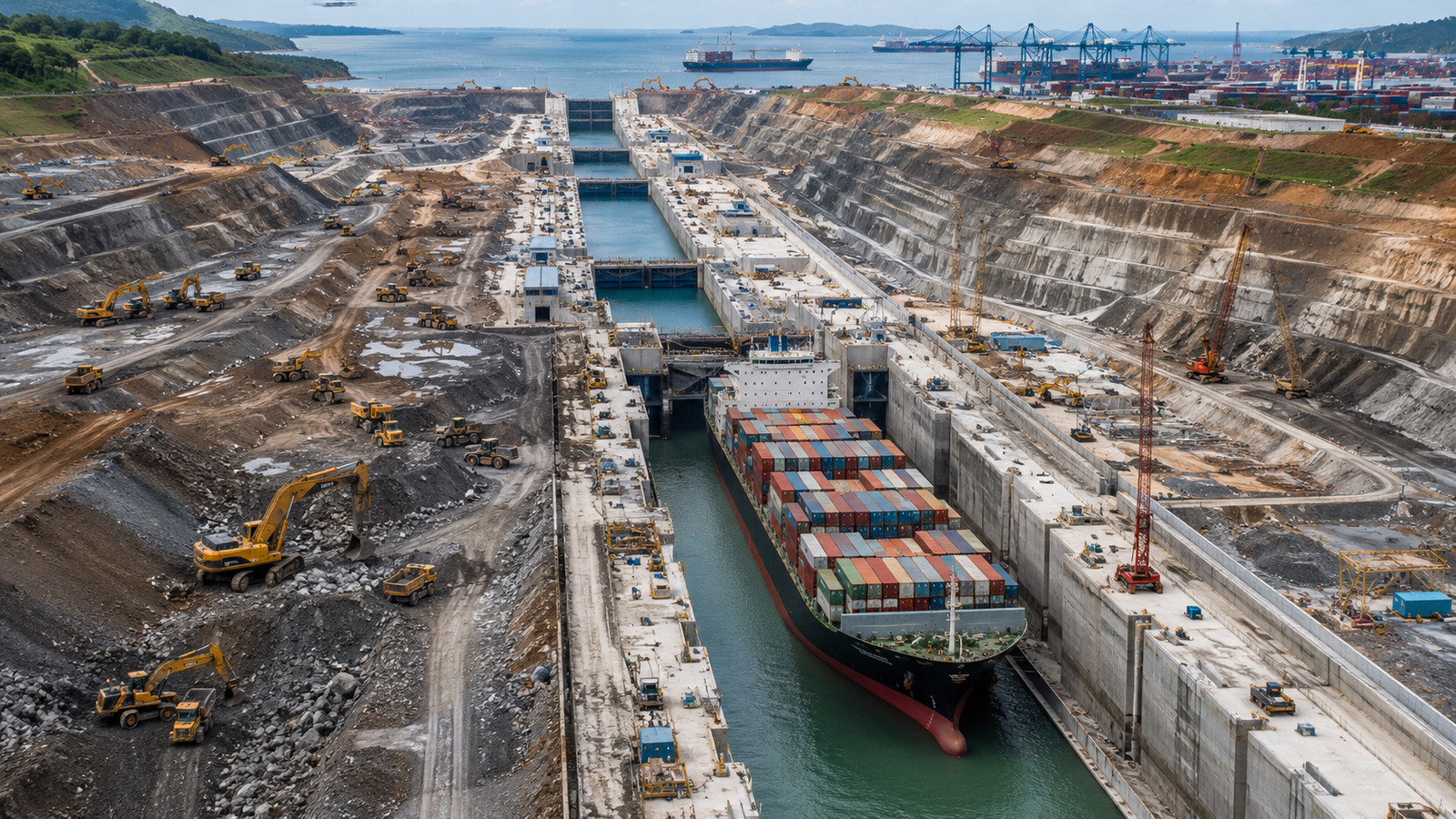
Behind the scenes of national transportation, an old project is regaining traction: the federal government plans to resume the railway expansion in Brazil.
Promises, challenges, and billion-dollar figures are part of an ambitious package that could transform the country’s logistics landscape, but will this time it leave the paper?
Railway Package and Regulatory Changes
-
A person from Minas Gerais started as an intern at a technology company, left convinced they wouldn’t return, created their own consultancy, and came back as a partner before becoming president and increasing the revenue from R$ 25.6 million to over R$ 100 million.

-
Hurry: Wikipedia pays up to R$ 2,500 for those who write about Minas Gerais, contest entries end on July 10, 2026, and even beginners can “earn,” with prizes starting at R$ 200.

-
A city with 8,000 inhabitants will receive R$ 25 billion to host the largest single-stage pulp mill in the world, with a production of 3.5 million tons per year and a cost of R$ 45 million.
-
He left India for Oman in 1976, entered through the door of luxury finishes, and took Sobha to the premium real estate market in the Middle East.


The Ministry of Transport is preparing a package of measures aimed at modernizing and expanding the Brazilian railway system.
According to the newspaper Folha de S. Paulo, one of the main points is the regulation of the right of way, allowing different companies to use the tracks operated by private concessionaires.
This measure, according to experts, has the potential to end the cargo transport monopoly held by large corporations.
Another novelty is the introduction of the “freight railway transport agent,” an independent figure who will be able to operate in the so-called “track slots.”
This change, according to the government, will allow for more efficient and competitive management of railway transportation.
Resumption of the Northern Section of the North-South Railway
One of the highlights of the package is the resumption of the northern section of the North-South Railway, a 477 km stretch that connects Açailândia, in Maranhão, to the port of Vila do Conde, in Barcarena, Pará.
This project, which was part of the old Growth Acceleration Programs (PACs), has never been completed.
The new corridor will allow for the shipment of various loads, including soybeans, corn, ethanol, and sugar, as well as iron ore.
The diversification of loads represents a significant opportunity for exporters and domestic producers.
Recovery of Abandoned Tracks
Another focus of the government is the recovery of 11,100 km of abandoned tracks, currently scrapped and unused. This impressive number represents 36% of the national railway network.
For this to be possible, the concessionaires that wish to renew their contracts will have to compensate the public coffers, generating resources for reinvestments in the sector.
Billion-Dollar Investments and Partnerships
The government intends to make the projects feasible through auctions, with participation from public and private resources.
The idea is that the winning companies of the auctions will depend minimally on public financing. According to sources linked to the Ministry of Transport, the renegotiation of existing concessions will be the main strategy to obtain resources.
For example, the renewal of the concessions for the Carajás Railway and the Vitória-Minas Railway, operated by Vale, is expected to generate transfers exceeding R$ 10 billion.
These amounts will be allocated to the expansion and modernization of the railway sector.
Review of the Pró-Trilhos Program
During Tarcísio de Freitas’s management at the Ministry of Infrastructure, the Pró-Trilhos program promised to revolutionize the sector with over R$ 258 billion in planned investments.
However, three years later, few projects have left the paper. Currently, the only significant advance is by the company Rumo, which is building a railway in Mato Grosso.
The Ministry of Transport, in partnership with the ANTT (National Land Transport Agency), is reviewing the authorizations to identify viable projects and eliminate duplicate requests.
Impacts on the Future of Brazilian Logistics
With these initiatives, the government seeks to reduce the dependence on road transport, which currently accounts for about 65% of cargo shipment in Brazil.
The expansion and modernization of the railway network will not only ease the roads but also reduce logistical costs and carbon emissions.
But will these promises be fulfilled? Despite the ambitious plans, the execution challenges, such as bureaucracy, lack of resources, and political obstacles, are still significant.
And you, do you believe that Brazil will finally have a competitive railway infrastructure? Or will it be yet another project that remains on paper? Share your opinion!





Demorou, já devia estar prontas e funcionando hoje. Vamos ver se não vai ficar só na promessa…
Não dá para acreditar em nada mais nessa gestão a corrupção demorou o progresso
Nos Dias de hoje, isso é um DESAFIO, pois, existem vários entraves. Com a privatização da RFFSA, O sistema ferroviário ficou fragmentado. Novas Empresas ferroviárias ficaram isoladas, com interesse, somente, pelas cargas, por maior lucratividade. As Ferrovias, hoje, consideradas ociosas, ficaram abandonadas pelos entes privados, que poderiam votar à funcionar e transportar passageiros. Para que exista um novo sistema integrado e eficiente, em todo País, pelo menos o transporte ferroviario de turismo deveria ser público. Apenas, fazer concessões de ferrovias, não resolveria 100%, esse problema. Antigamente, a coisa era diferente, existiam muitas Estatais lucrativas, que ajudavam com receitas à suprir essas despesas de infraestrutura, não existindo, também, tantos políticos. Os trens eram públicos, e transportavam todo tipo de carga.