





 Portuguese
  English
  Spanish
  2 min of reading
  1 comment


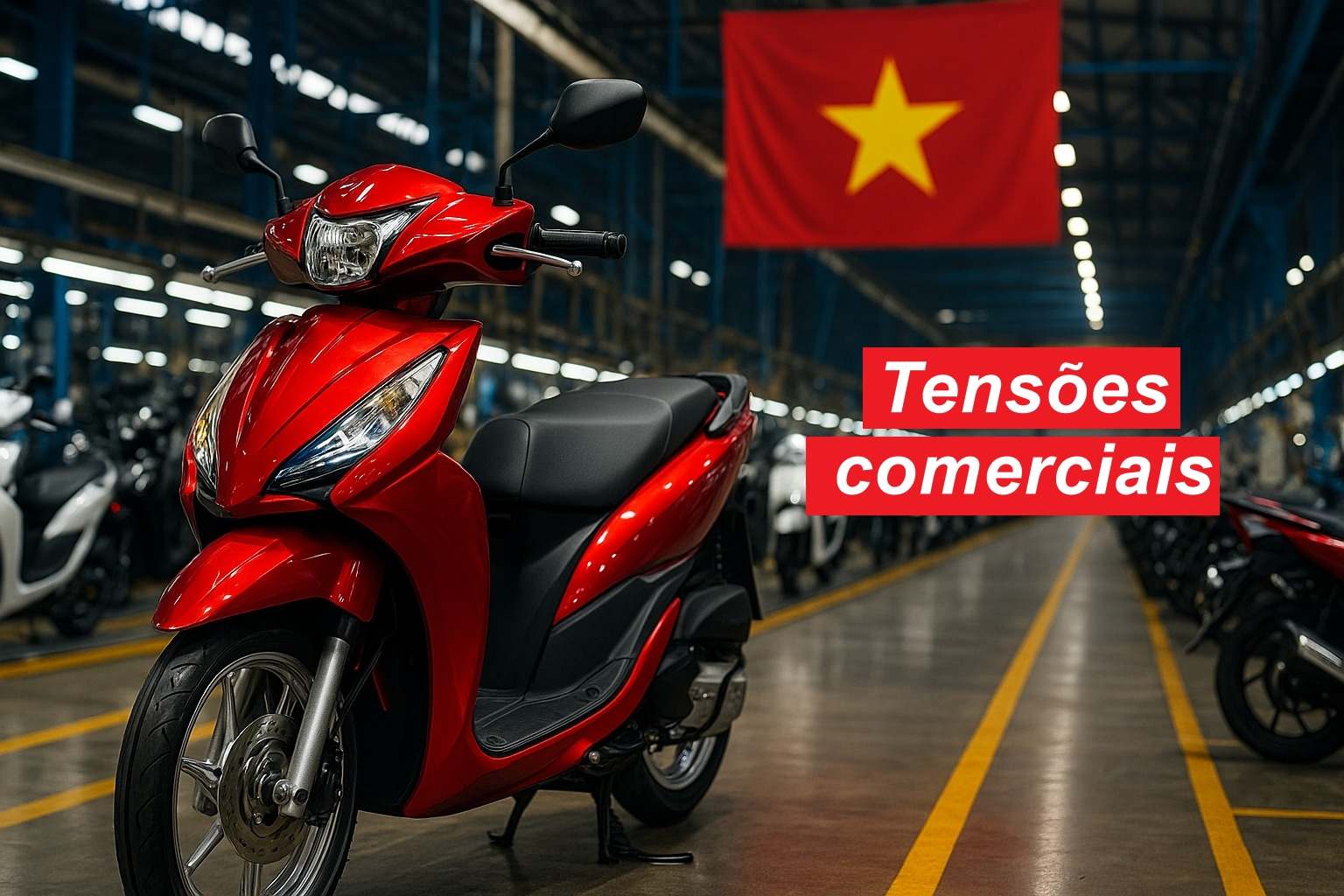

In Official Letter, The Japanese Embassy And Manufacturers Such As Honda, Yamaha, And Suzuki Warn That The Ban On Gasoline Motorcycles In Hanoi Could Cause Bankruptcies And Mass Unemployment.
The Japanese government and major motorcycle manufacturers issued a warning to Vietnam about the possible economic and employment effects of the decision to ban gasoline-powered motorcycles in downtown Hanoi starting in 2026.
The measure, formalized in July by the Vietnamese government under the guidance of Prime Minister Pham Minh Chinh, aims to reduce the high levels of air pollution in the capital.
Reaction Of Japan And Manufacturers
The Japanese embassy sent a letter to the Vietnamese authorities classifying the change as abrupt.
-
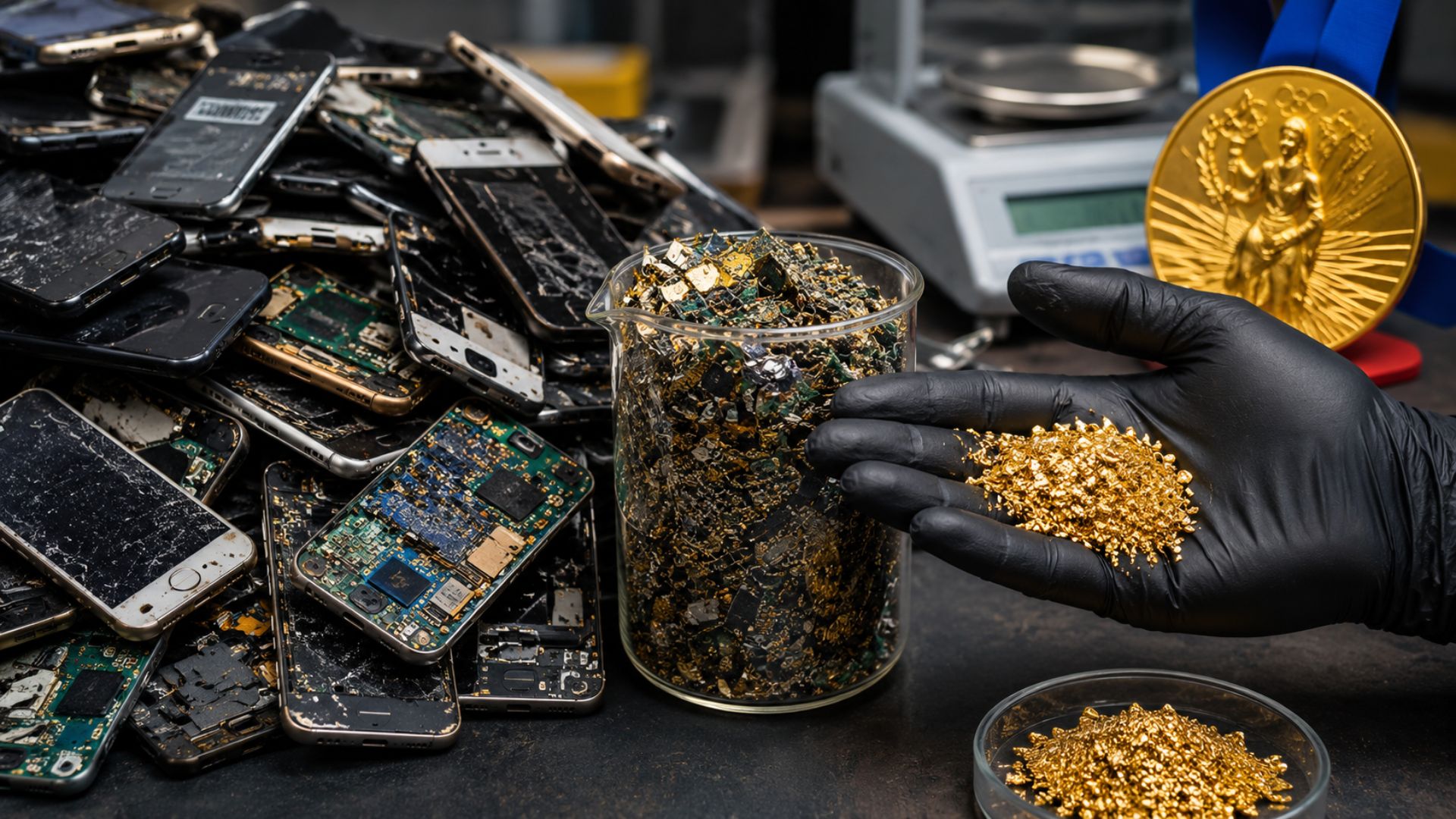
A ton of old cell phones can contain up to 800 times more gold than a ton of ore extracted from a mine, according to the UN, and it is this hidden wealth in drawers that drives so-called urban mining, which can even be turned into Olympic medals.

-
The world opens its eyes to PIX invented in Brazil after the system moved R$ 35.6 trillion, expanded in countries like France, Portugal, Argentina, and Paraguay, and threatened card giants like Visa and Mastercard with high growth and record adoption.
-
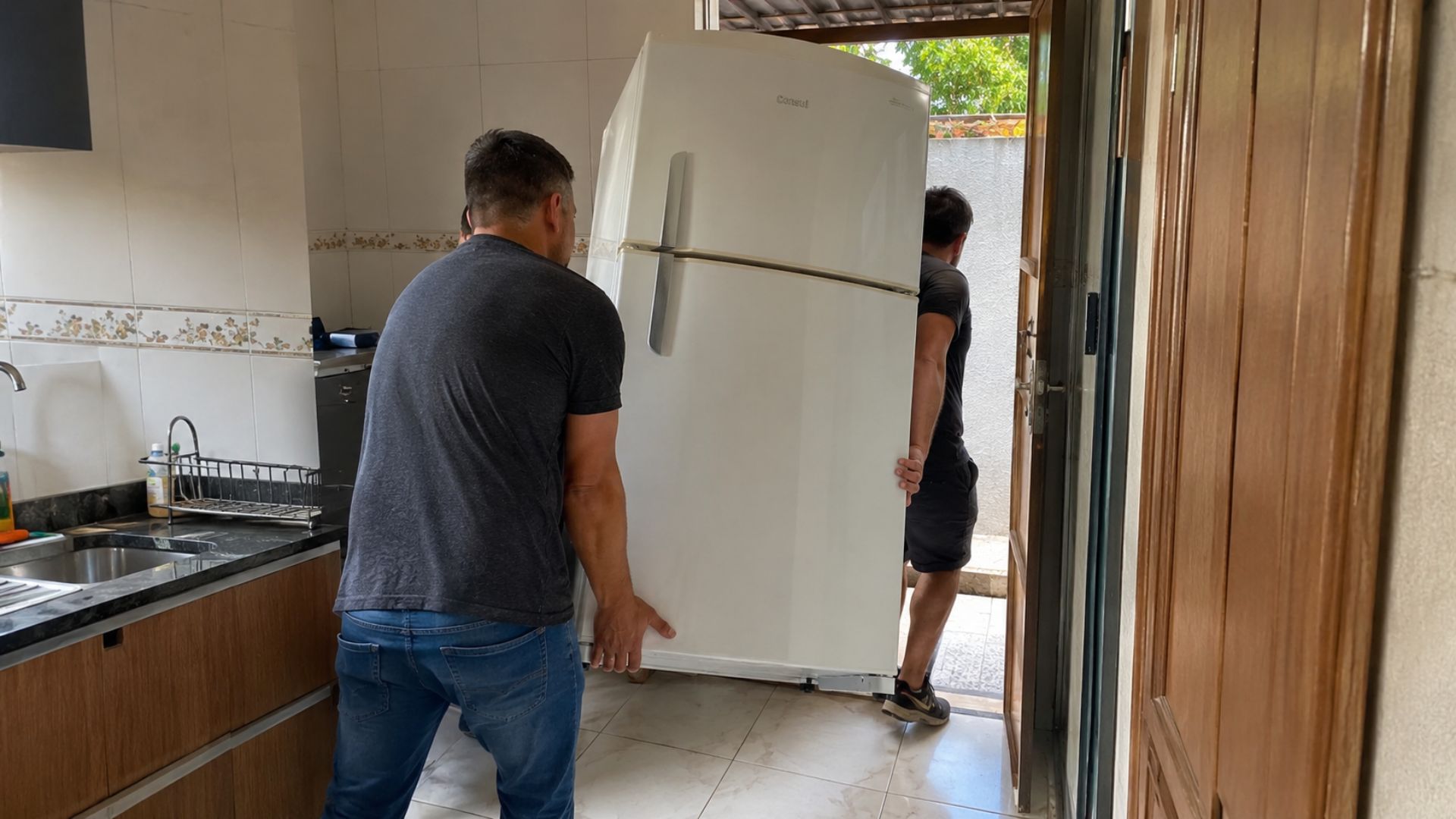
Goodbye, old refrigerator: Consul teams up with Brastemp to remove the appliance from your home and even offers a discount on the new model
-
Stopped cargo is costly: Single Window can reduce R$ 40 billion per year and change the game of exports in Brazil



The document highlighted the risks of unemployment in support sectors, such as dealerships and spare parts suppliers, and requested an adaptation period for the transition to electrification, with a gradual implementation of the restrictions.
Japanese manufacturers such as Honda, Yamaha, and Suzuki also expressed concern, warning of possible disruptions in production and bankruptcies among supply chain companies.
Honda, which dominates about 80% of the Vietnamese motorcycle market, sold 2.6 million units in 2024 and operates four factories in the country.
Although nearly all of its models are gasoline-powered, the company currently offers two electric models and is experiencing a significant drop in sales since the announcement of the measure.
Market In Transformation And Vietnamese Response
The motorcycle market in Vietnam, valued at US$ 4.6 billion, has a usage rate of nearly 80% among more than 100 million inhabitants.
Even without a direct impact on cars, gasoline car sales fell 18% in September compared to the previous year, according to data from the VAMA association.
While Japanese manufacturers analyze the future of their operations, local company VinFast recorded a 55% increase in sales of electric motorcycles and bicycles in the second quarter of 2025, reaching nearly 70,000 units sold.
So far, the Vietnamese government has not formally responded to Japanese concerns but reinforced that the restriction is essential to improve air quality in Hanoi.
Prime Minister Pham Minh Chinh stated that the country is seeking international cooperation to reduce emissions and intends to adopt a shared roadmap for transition. Ho Chi Minh City is also planning similar restrictions in the coming years.
Political Change In Japan
Meanwhile, the Japanese Parliament appointed Sanae Takaichi as Prime Minister — the first woman to hold the position.
Takaichi leads a coalition government that prioritizes political stability and maintaining agreements with the opposition, which may influence future decisions regarding Japan’s economic interests in foreign markets such as Vietnam.






islami giyim