Portuguese
  Spanish





Visual, Neurological, and Psychiatric Disorders Are Among Those That May Prevent Driver’s License Renewal, According to Medical Evaluation Provided for in the Brazilian Traffic Code.
Whenever a driver needs to renew their National Driver’s License (CNH), one of the mandatory steps is the physical and mental fitness examination, as provided for in the Brazilian Traffic Code (CTB). This assessment, conducted by accredited physicians, aims to ensure that the driver is capable of safely operating a vehicle, protecting not only their life but also that of passengers and pedestrians.
At the end of the clinical analysis, the driver may receive one of four different classifications: fit, fit with restrictions, temporarily unfit, or permanently unfit. It is based on these results that the document may be renewed, have its validity reduced, or even be denied.
Fit or Fit With Restrictions
The vast majority of drivers leave the evaluation as fit or fit with restrictions. This means that the person is capable of driving but may need adaptations. This is the case, for example, for those with myopia or astigmatism who need to use glasses or contact lenses. The restriction is recorded on the CNH, and the driver can only operate the vehicle complying with this requirement.
-
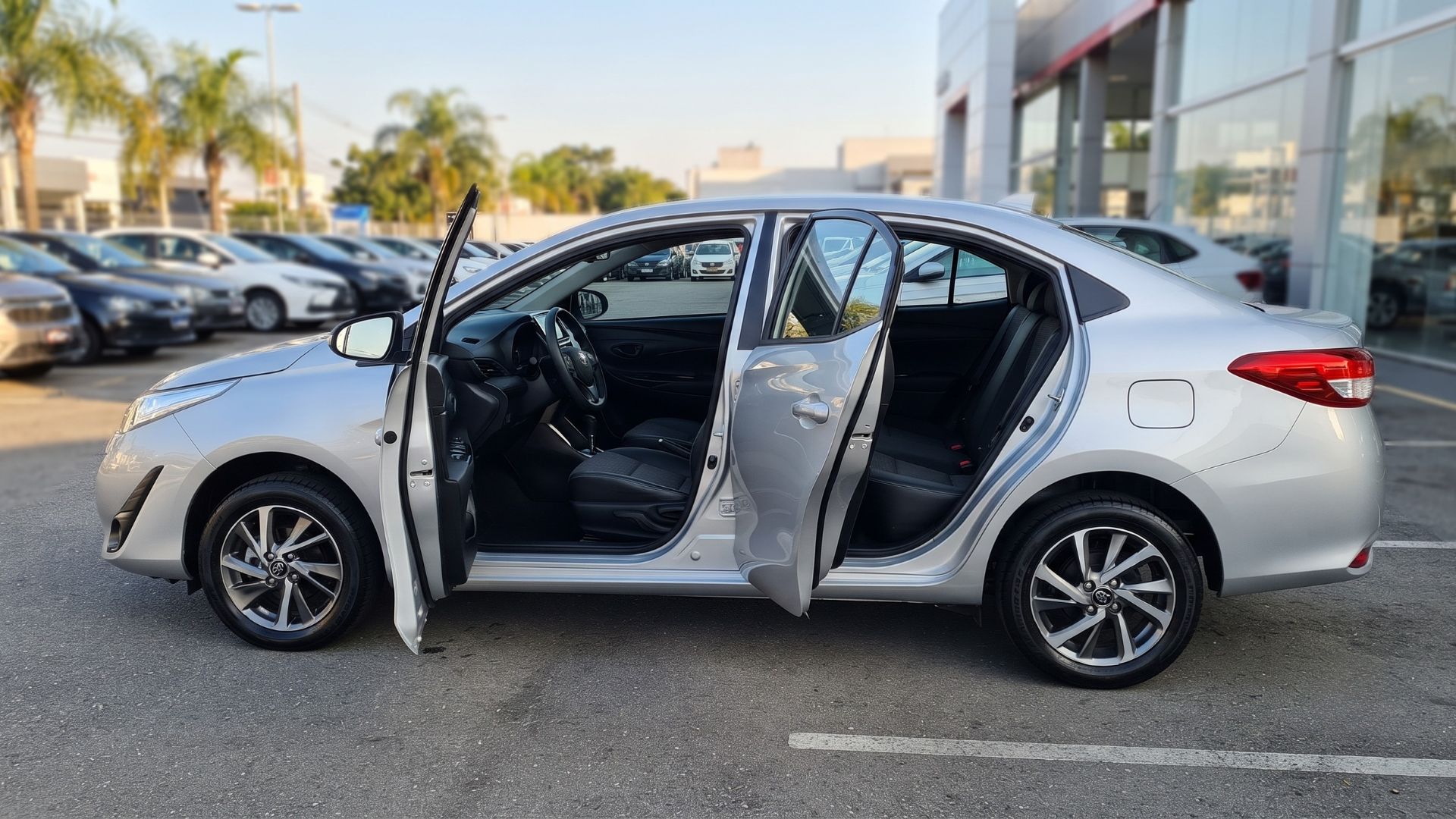
Automatic, economical, and known for reliability: with a 1.5 engine of up to 110 hp, CVT transmission, seven airbags, and fuel consumption of up to 15.9 km/l, this used hatchback appears as a rational alternative to Polo, HB20, and Onix; meet the Toyota Yaris XLS 2020.

-
He surpassed the Tera, Creta, and Tracker: With a TSI engine of up to 150 hp, 6-speed automatic transmission, and a 373-liter trunk, the Volkswagen T-Cross was the best-selling SUV in June, with 11,753 registrations.

-
It looks factory-made, but it came out of a workshop: a mechanic from Pernambuco builds a handcrafted “mini Toyota,” drives it through the streets, and the video goes viral on social media, leaving residents astonished.
-
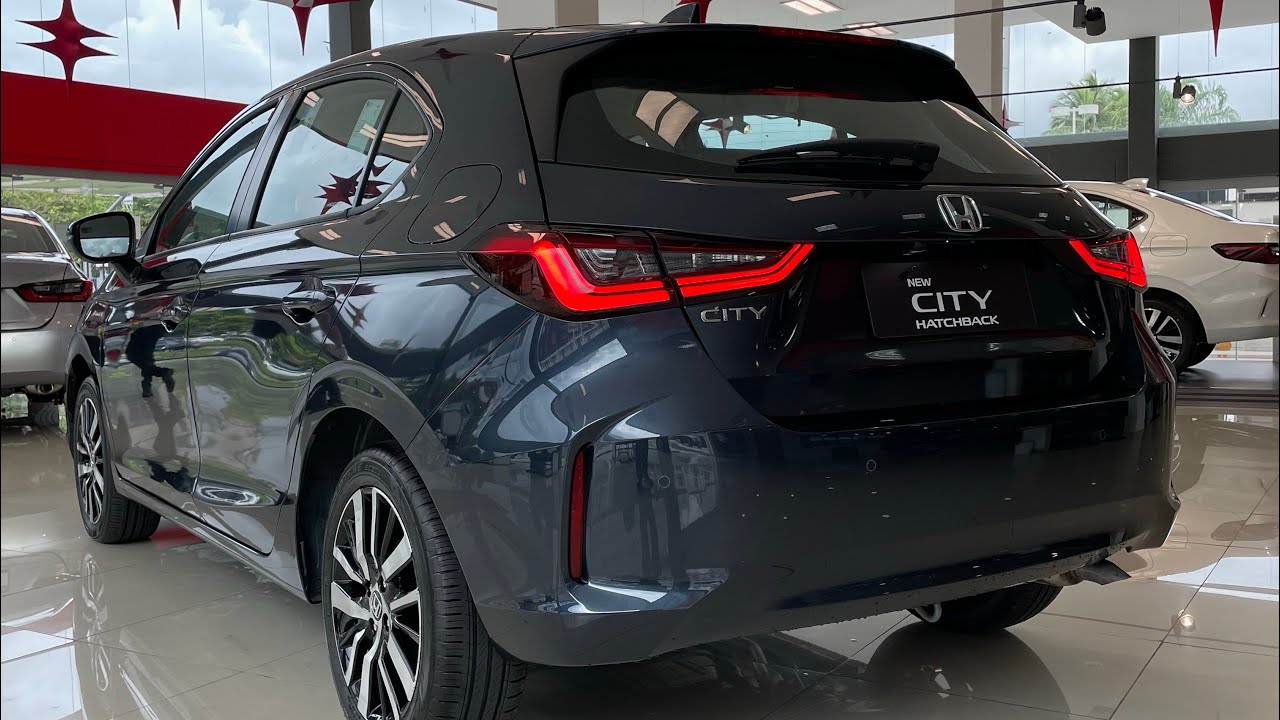
Hatch with sedan space and 1.0 car consumption: equipped with a 1.5 engine with 126 hp, CVT transmission with seven simulated gears, and consumption of up to 17.4 km/l, this used Honda delivers technology, comfort, and reliability; meet the 2022 Honda City Hatch Touring.


This also includes drivers who require adapted vehicles due to physical limitations. In these cases, technology plays a role in ensuring the driver’s autonomy and safety on the road.
Temporarily Unfit
A driver may be considered temporarily unfit when they have a health condition that can be reversed with treatment. This includes ophthalmological conditions like cataracts, which can be corrected through surgery, or orthopedic problems requiring rehabilitation.
In these situations, the examination does not immediately approve the renewal of the CNH. The driver is advised to seek treatment and can only resume the process after demonstrating improvement in a new medical evaluation.
Permanently Unfit
The most stringent classification is that of permanently unfit, applied when the candidate is not capable of driving under any circumstances.
The most common example is total loss of vision in both eyes, but this category also includes progressive diseases that compromise motor coordination, attention, and reflexes, turning driving into a high-risk activity.
Among the conditions cited by specialists are advanced glaucoma, severe retinal pathologies, neurological diseases such as Alzheimer’s and evolving Parkinson’s, and severe psychiatric disorders without adequate control.
Neurological and Psychiatric Disorders
Neurological disorders are assessed on a case-by-case basis. Epilepsy, for example, is not an automatic synonym for driving restriction.
Drivers who can prove they are under treatment, without seizures for a minimum period established by a medical report, can be considered fit.
In psychiatry, conditions such as schizophrenia are also evaluated individually. The driver can renew the CNH as long as they present regular medical follow-up and a report confirming that the treatment ensures safe driving conditions.
This care reflects the concern of legislation to balance the right to mobility and road safety.
Hearing Impairment and Heart Diseases
Another topic that raises questions is the situation of drivers with hearing impairment. Deafness does not prevent the renewal of the CNH but may lead to restrictions in certain categories, such as those related to the transport of passengers and goods.
Regarding heart diseases, the medical assessment checks for risks of fainting, arrhythmias, or physical limitations that may compromise driving. Depending on the diagnosis, renewal may be denied or granted with reduced validity.
Collective Safety as a Priority
The rules for CNH renewal may seem strict, but they have a clear logic: preserving lives on the road. Drivers who do not have full physical or mental conditions pose a risk not only to themselves but to everyone on the roads.
The medical examination should not be seen as a punishment but as a tool for accident prevention. In addition, in many cases, the restriction is temporary and can be reversed with appropriate treatment.
CNH Renewal: An Essential Mechanism to Maintain Safety on the Streets and Roads of Brazil
The possibility of a driver being considered unfit upon CNH renewal does not mean arbitrary action but the application of technical criteria provided in the CTB.
Ophthalmological, neurological, cardiac, and psychiatric disorders are analyzed individually, always based on medical reports.
Those who have built their lives around driving must view periodic examinations as part of the responsibility of being behind the wheel. And for society, the message is clear: renewing the CNH is not just a bureaucratic procedure but an essential mechanism to maintain safety on the streets and roads of the country.