






 Portuguese
  Spanish



Scientists Develop New Technology to Reverse Global Warming in a Race Against Time
Finally, a good piece of news amidst so much environmental concern: scientists are developing a new technology that promises to be a game changer in the fight against global warming. But will this innovation really make a difference?
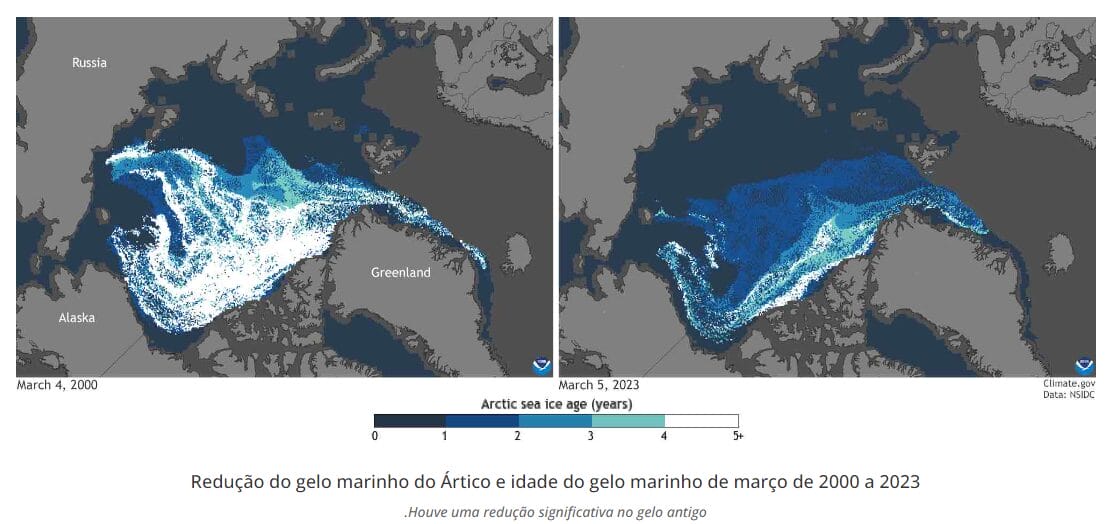
We know that the melting of Arctic glaciers is one of the clearest and most alarming signs of global warming. In just 40 years, the rate of ice melt in the North Pole has increased by an average of 12.2% each decade. These NASA data show an alarming scenario, but this is where the new technology comes in.
How The New Technology Works
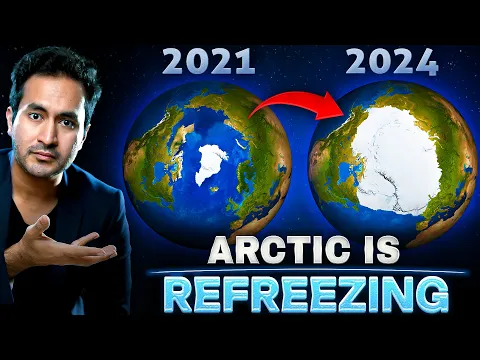

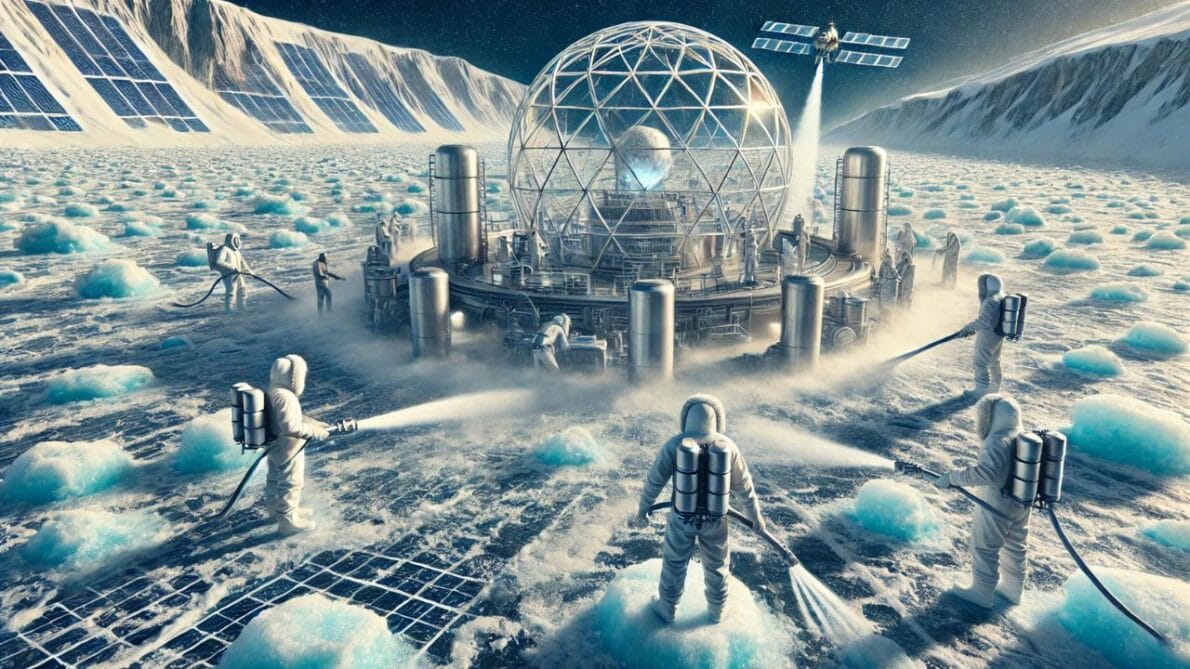
A group of scientists from a Dutch startup called Arctic Reflections has launched a mega project for a new technology that sounds as grand as the idea of colonizing Mars. They intend to “refreeze” an area of 15.5 million square kilometers in the Arctic over the next six years. To give you an idea, this area is equivalent to five times the size of India.
-
She spent 73 years breathing inside an iron lung, survived the aftereffects of polio, and became the last woman in the United States dependent on the equipment before dying at 78 years old.

-
Brazilian students created a $1 filter using pine bark, cotton, and 3D-printed parts to clean cassava wastewater, reduce the toxicity of a hazardous waste, and transform contaminated water into biofertilizer.

-
Astronaut from Artemis II steps down after mission to the Moon and decision surprises after a record of 406,771 km, a historic 10-day journey, and an unprecedented achievement for Canada.

-
A fossil kept for years in a small museum in Montreal concealed 450-million-year-old soft tissue, a discovery that has only happened once before in history.


The solution they found? Somewhat paradoxical: they will spread salty water over the existing Arctic ice. For those who don’t know, salty water is used in many countries to prevent snow from accumulating on roads. So how can a substance that normally melts ice help freeze the Arctic?
Technique Similar To That Used To Create Ice Roads In Canada
The idea is to use small, portable diesel pumps to spray this water over the existing ice. When the brine comes into contact with the cold air, it forms an additional layer of ice. It sounds crazy, but it is a technique similar to that used to create ice roads in Canada and Alaska.
Many Wonder If This Could End Up Melting The Ice Even More
Of course, there are valid criticisms and doubts about this new technology. Many wonder if this could end up melting the ice even more. However, scientists assure that, due to the extreme temperatures in the Arctic, both fresh and salty water freeze. In other words, the salt would not have the same melting effect that we see in other parts of the world.
In addition, there is concern about the initial use of fossil fuels to operate the pumps. Arctic Reflections plans to replace this energy with renewable sources, such as wind farms, after the initial tests. But will this be enough?
Global Warming Has Consequences Everywhere
For those who still think that melting in the Arctic does not directly affect us, it is important to remember that global warming has consequences everywhere. The melting of polar ice caps contributes to rising sea levels, threatening coastal cities and entire islands. Additionally, it increases the frequency and intensity of extreme weather events.
In 2023, we saw record heat waves in various parts of the world. In India, for example, temperatures reached 50 degrees Celsius, resulting in thousands of hospitalizations and dozens of deaths. And this is just one example.
New Technology Proposed By Scientists From Arctic Reflections Is Ambitious
The new technology proposed by the scientists from Arctic Reflections is ambitious and undoubtedly controversial. However, in a situation of “do or die,” as many experts call the current climate crisis, every effort counts.
Only time will tell if this innovation will be the salvation we need or just another idea that failed to overcome practical challenges and criticisms. But one thing is certain: the fight against global warming cannot stop, and every advance, no matter how small, is a step in the right direction.
So, what do you think of this new approach? Have we finally found a viable solution to reverse the damage we have already caused to our planet?








SIMMM FINALMENTE UMA NOTÍCIA BOA TEM MEU APOIO #NAOAOAQUECIMENTOGLOBAL