Portuguese
  Spanish


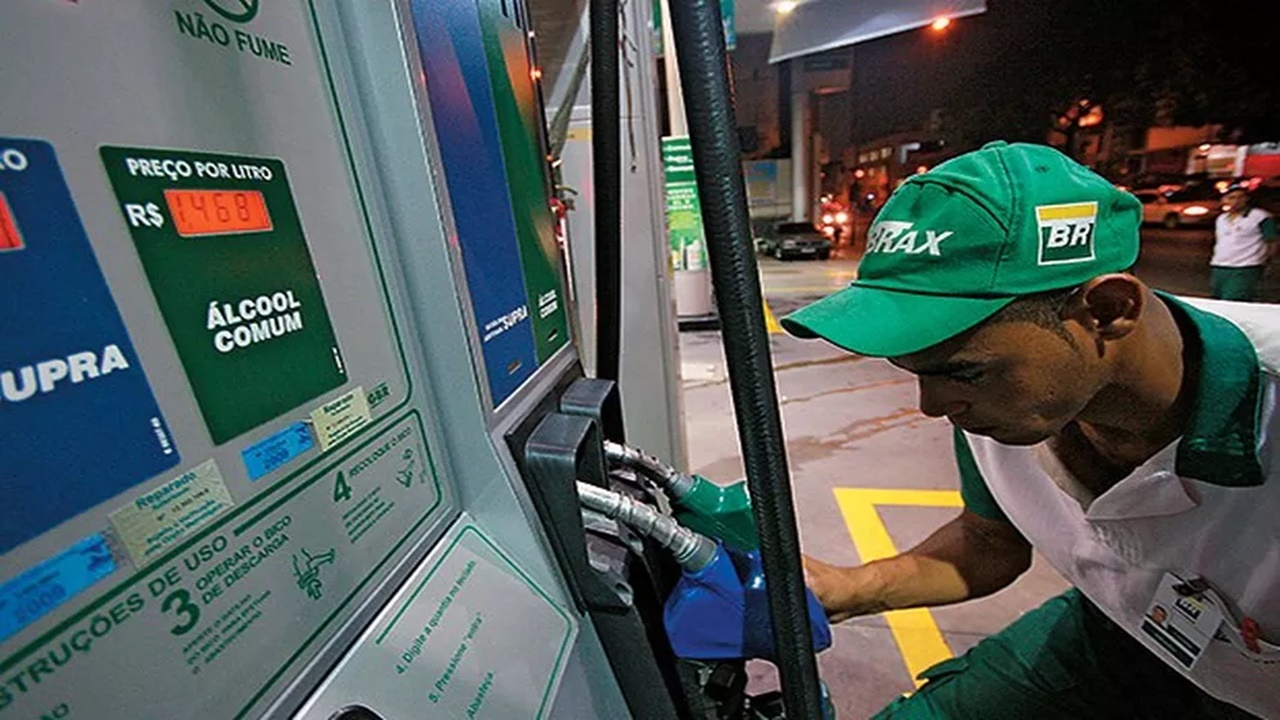

Fit Group Is Prohibited From Harassing and Offering Fuels to Shell and BR Flagged Gas Stations. Company Used MP That Allows Flagged Gas Stations to Sell Gasoline From Different Distributors to Recruit Flagged Resellers.
Provisional Measure 1063, from President Jair Bolsonaro, which allows flagged gas stations to sell gasoline from different distributors has barely been approved and has already generated a war among fuel distributor cartels! Fit Combustíveis Group (a distributor linked to the former Manguinhos Refinery, now operating under the trade name Refit) tried to take advantage of the MP and ended up being prohibited from harassing, recruiting, offering, and distributing products to gas stations contractually linked to the Shell brand, owned by Raízen, and BR Distribuidora, which now operates under the name Vibra Energia.
See Also
- Ethanol Made From Coconut Shells, Developed by Brazilian University, Could Change the World of Renewable Energy
- Reduction of Biodiesel in Fuel Could Backfire and Trigger Industry Bankruptcies and Unemployment
- Ethanol Price Reaches Nearly 5 Reais at the Pumps and Fueling With Gasoline Becomes More Advantageous in Some Brazilian Regions
- Biodiesel Blend in Diesel Could Damage Engines and Increase Fuel Prices, Say Entities Representing Over 200,000 Companies in the Sector
- Raízen Announces Acquisition of Paraguayan Company for US$ 130 Million and Celebrates Sales of 460 Million Liters of Cellulosic Ethanol Over Nine Years
- Gasoline Is Cheap, Costs R$ 1.95 at the Refinery; Federal Tax Has Been Fixed for Years but Does Not Prevent Constant Fuel Price Increases
The determination for the Shell station was issued by Judge Miguel Ferrari Junior, of the 43rd Court of the Central Civil Forum of São Paulo, with the preliminary decision dated August 27. In case of non-compliance by companies belonging to Fit, a fine of R$ 10,000 will be applied. An appeal is possible.
In Rio, besides prohibiting Fit from recruiting gas stations, the court also ordered the company to refrain from using the BR brand’s visual identity in its sales material to the stations, under penalty of a daily fine of 1 million reais. Fit, which is part of the same group that controls Refit (formerly Manguinhos), declined to comment on the matter.
-
With a record production of nearly 3 million barrels per day, Petrobras resumes importing diesel in July, highlighting the bottleneck in Brazilian refining.

-
Qantas and Airbus Invest in Company Aiming to Convert Unsorted Household Trash into Jet Fuel

-
Brazil’s ANP Opens 86 New Oil Blocks in the Equatorial Margin, Expanding the Amazon River Mouth Frontier

-
OPEC+ Boosts Oil Supply by 188,000 Barrels per Day in July 2026, Leading to Price Drop from $112 to $89 per Barrel in Under Two Months



Fit Group Took Advantage of the Provisional Measure to Harass Gas Stations Contractually Linked to the Shell Brand, Owned by Raízen, and BR Distribuidora
As reported in the legal action, the Fit Group took advantage of Provisional Measure 1063/2021, issued by the federal government on August 11, to send a commercial letter to resellers under exclusive contracts with Raízen, the exclusive fuel and lubricant distributor for the Shell brand in Brazil.
In the document, Fit claims that “the loyalty that large distributors preach is false, offering fuels to non-branded stations at below-cost prices, lower than those practiced for branded stations in the same area of influence.”
Additionally, the company states it offers “fair prices and greater quality,” as well as providing “legal consulting composed of renowned lawyers” to advise on exclusive contracts. In the document, Fit also asserts that “no contractual clause may be abusive in light of this unfair loyalty imbalance.”
Reseller Can Sell Fuels From Other Suppliers as Long as Contractual Clauses Are Not Broken
The new government regulation allows, among other openings, the break of the brand’s protection – which, in practice, means that the reseller can sell fuels from other suppliers, different from the brand they represent, as long as they do not break contractual clauses.
The primary argument presented by Raízen in the lawsuit is precisely the encouragement of contract breaches. According to the company linked to Shell, Fit’s offer is a way to “harass and recruit” exclusive resellers, “stimulating contract breaches and the practice of unfair competition and misleading advertising, a situation that has worsened in recent days due to a serious action, meticulously designed to take advantage of the initial misinformation of market agents, especially the Reseller Stations.”
The São Paulo justice system issued a preliminary ruling in favor of Raízen stating that the Provisional Measure does allow gas stations to sell products from other suppliers, but also indicates that this does not change existing contracts. Branded stations enter into exclusive supply contracts. The São Paulo court also understood that this could be detrimental to consumers who seek a specific station because of the brand.
Raízen asserts that, in addition to harassing Shell resellers, the Fit Group also pressured resellers of Vibra Energia (BR Distribuidora). The Rio de Janeiro-based company contacted BR-branded stations offering pre-registration for those interested in reselling its fuel. BR, in turn, countered with an extrajudicial notification, according to Raízen.
The initial claim is signed by lawyers Arystóbulo de Oliveira Freitas, Ricardo Brito Costa, Thiago Marciano de Belisario, and Silva Igor Goya Ramos.
End of Brand Loyalty at Gas Stations and Direct Sale of Ethanol From Mills Approved; Measures Promises to Stimulate Competition and Curb Gasoline Price Increases
Direct sale of ethanol and the end of brand loyalty at gas stations are approved and promise to eliminate cartels, stimulate competition, and lower gasoline prices, which have been experiencing consecutive jumps.
A Provisional Measure to allow mill operators to sell ethanol directly from the mill to gas stations was approved by the Government on Wednesday morning (08/11) and could be the ‘solution’ to control and curb the rise in gasoline prices.
The text also establishes white branding for gas stations, meaning that gas stations displaying brands from a specific distributor may start selling fuels from other suppliers, as long as consumers are informed. Read the full article by clicking here.