






 Portuguese
  Spanish



Understand How Oil And Gas Costs Are Formed, What Influences Their Variation And Why This Topic Is Essential For Those Who Want To Work Or Invest In The Global Energy Sector.
Oil And Gas Costs Have Always Generated Great Global Interest. This Is Because These Natural Resources Play A Fundamental Role In The Functioning Of Various Areas Of The Economy, Such As Transportation, Food Industry, Construction, And Energy Generation.
Therefore, understanding how these costs are formed and why they fluctuate so much is essential for those starting to learn about the sector and also for professionals who need to make strategic decisions.
To Understand Oil And Gas Costs, It Is Important To Go Back In Time And Learn How This Market Evolved Throughout History.
-
OPEC+ Boosts Oil Supply by 188,000 Barrels per Day in July 2026, Leading to Price Drop from $112 to $89 per Barrel in Under Two Months

-
TotalEnergies Signs 20-Year Deal to Purchase 2 Million Tons of LNG from Alaska, Boosting Project Viability
-
Turkey Deploys Çağrı Bey Drilling Ship to Explore New Oil Frontier Off Somalia’s Coast
-
Golden Pass LNG Ships First Liquefied Gas Cargo from the U.S., Completing $10 Billion QatarEnergy and ExxonMobil Investment




According To The U.S. Department Of Energy (DOE), The Industrial Revolution, Which Began In The 18th Century, Marked The Start Of Intensive Use Of Fossil Fuels, Mainly Coal, Which Dominated The Energy Scene Until The Second Half Of The 19th Century.
With Technological Advancements And The Discovery Of Large Oil Reserves In The 19th Century, Especially In The United States, Russia, And The Middle East, Global Dependence On This Resource Increased Rapidly.
However, Extraction Became A Complex And Costly Activity, As It Involves Various Stages Such As Geological Research, Drilling, Transportation, And Refining, All Influencing Final Costs.
When We Talk About Oil And Gas Costs, We Are Dealing With An Extensive Production Chain, From The Search For New Reserves To Distribution To The Final Consumer.
In Addition, The Sector Requires High Investments And Involves Risks. Exploration In Deep Marine Environments Or Remote Regions Requires Sophisticated Equipment, Advanced Technology, And Specialized Teams.
These Factors Drive Up Initial Costs, Which Can Take Years To Recoup, Depending On The Price Of Oil In The Market.
Factors That Influence Production Costs
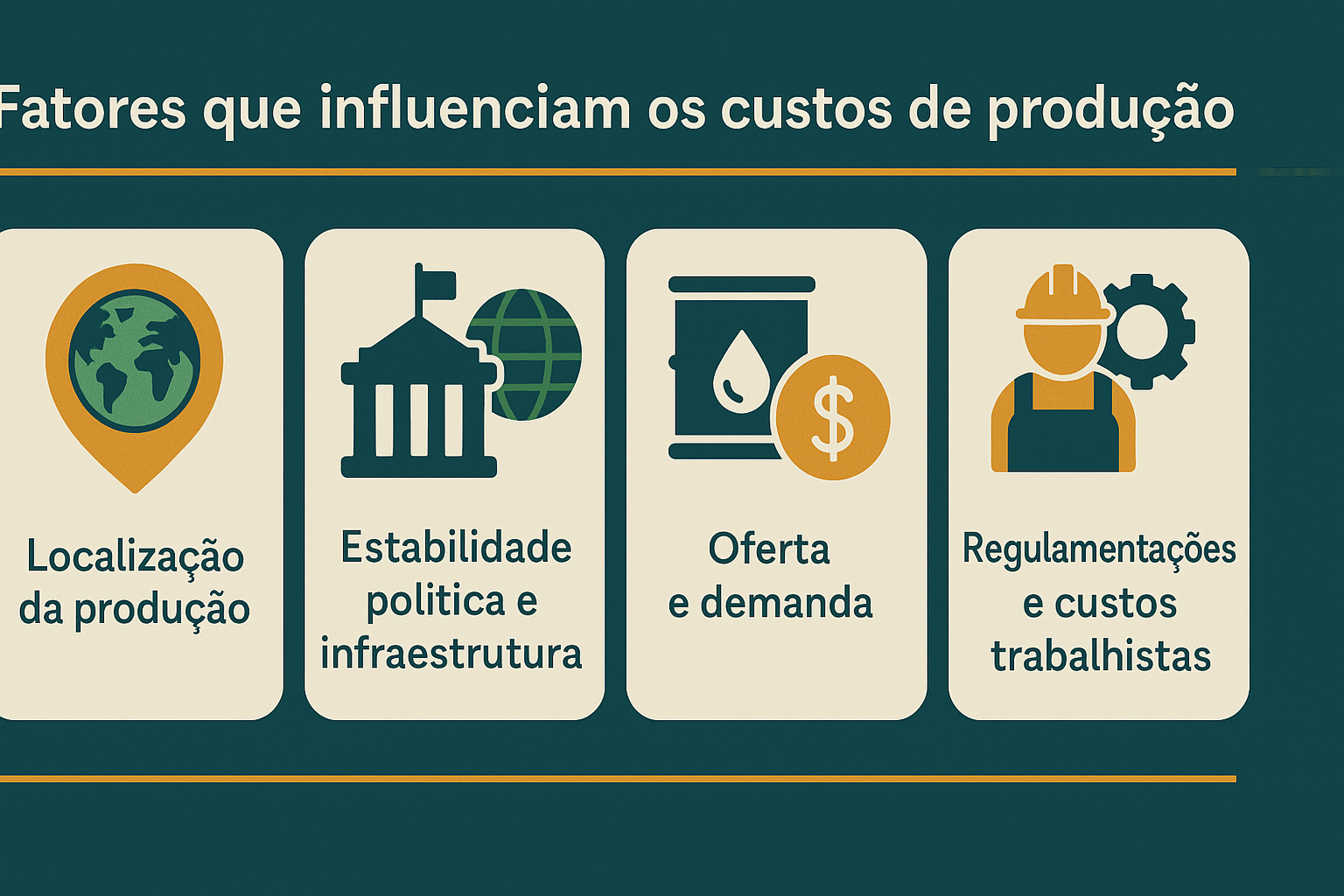
The Costs Of Extraction Vary Significantly By Region. For Example, In Places Like The Middle East, Production Is Relatively Cheap Due To Ease Of Access To Reserves And Abundance Of Resources.
In Countries Like Brazil, Where Much Of The Oil Is Found In Deep Or Ultra-Deep Waters, The Costs Are Significantly Higher.
According To The National Agency Of Petroleum, Natural Gas And Biofuels (ANP), Production In Brazilian Deep Waters Has An Average Cost Per Barrel About 30% Higher Than The Global Average.
Moreover, Political Stability, Environmental Regulations, And Local Infrastructure Also Influence Operational Costs.
Another Important Point Is The Difference Between Production Costs And The Price Of Oil In The International Market. The Price Paid For A Barrel Depends On Supply And Demand, Market Speculation, And Geopolitical Factors.
Natural Gas Costs Follow A Similar Logic But Have Specific Particularities.
Because It Is More Difficult To Store And Transport In Gas Form, Gas Depends On Specific Infrastructures Such As Pipelines And Liquefaction Terminals, Which Raises Initial Investments And Makes Costs Sensitive To Location And Local Demand.
In Regions With High Demand For Clean Energy, Natural Gas Is Seen As An Intermediate Source Between Fossil Fuels And Renewable Energies, Influencing Prices And Costs.
Technological Innovation Has A Direct Impact On Costs. The Technique Of Hydraulic Fracturing (Fracking), For Example, Enabled The Extraction Of Gas And Oil From Areas That Were Previously Inaccessible, Such As Shale Fields In The United States.
According To The U.S. Energy Information Administration (EIA), This Technology Helped The U.S. Become The World’s Largest Oil Producer In 2018, Significantly Changing Costs And The Balance Of The Global Market.
Additional Cost Components And Recent Impacts

In Addition To Production, Taxes, Environmental Licensing Fees, Labor Costs, And Investments In Safety And Technology Influence Costs.
These Factors Are Particularly Relevant In Countries Seeking To Attract Foreign Investment, As They Determine Competitiveness Against Other Producing Nations.
Operational Safety Adds Important Costs. The Oil And Gas Sector Follows Strict Regulations To Avoid Environmental Or Human Accidents.
Therefore, Companies Invest In Training, Protective Equipment, Constant Monitoring, And Contingency Plans. These Investments Increase Operational Costs But Ensure Responsible Production.
During The COVID-19 Pandemic, The World Witnessed A Historic Drop In Demand For Oil.
With The Shutdown Of Economic Activities And Mobility Restrictions, Stocks Grew, And Prices Plummeted.
According To The International Energy Agency, In April 2020, The Price Of WTI Oil Hit Negative Values For The First Time In History, Reflecting Low Demand And Oversupply.
Many Companies Reduced Or Stopped Operations To Avoid Losses. This Highlighted The Impact Of The Balance Between Supply And Demand On Prices And Costs.
Price Volatility Directly Affects Companies’ Planning, Which Must Prepare For Periods Of Low Profitability And Adjust Costs To Maintain Sustainability.
This Instability Reinforces The Importance Of Efficient Cost Management In The Production Chain.
The Future Of Oil And Gas Costs In The Energy Transition
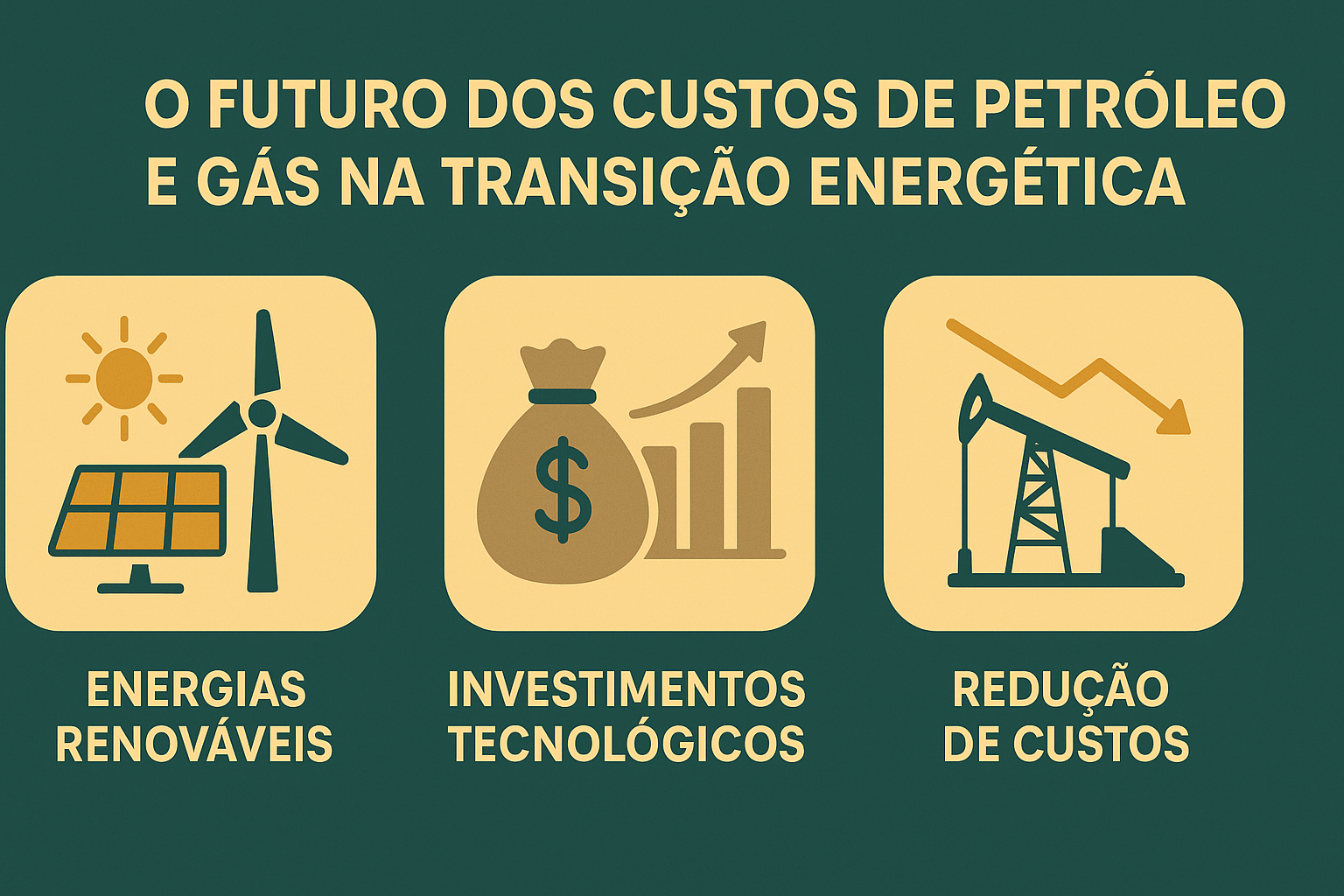
Currently Marked By The Search For Sustainable Energy Solutions, Oil And Gas Costs Are Impacted By The Energy Transition.
Governments And Companies Face Pressures To Reduce Emissions And Invest In Renewable Sources.
This Necessitates Greater Investments In Clean Technologies And Practices That Minimize The Environmental Impact Of The Exploration And Use Of These Resources.
Investments In Renewable Energies Such As Solar, Wind, And Hydrogen Are Growing Rapidly, But The Infrastructure To Fully Replace Oil And Gas Is Still Insufficient.
Therefore, It Is Expected That At Least Over The Next Few Decades, Oil And Gas Will Maintain A Central Role In The Global Energy Matrix.
According To The IEA, The Most Likely Scenario For 2040 Predicts That Fossil Fuels Will Still Represent About 50% Of Global Energy Consumption.
This Scenario Presents A Challenge For The Sector, Which Must Balance Cost Reductions With More Sustainable Practices.
Even With The Advancement Of Renewables, Oil And Gas Remain Essential For The Global Energy Balance.
Thus, A Total Replacement Will Take Decades, Reinforcing The Importance Of Understanding How The Costs Of These Resources Are Formed And Managed.
For Professionals In The Field, Detailed Knowledge Of The Factors Composing Oil And Gas Costs Is Fundamental For Conducting Economic Analyses, Planning Projects, Making Investment Decisions, And Participating In Negotiations.
For Beginners, This Knowledge Opens Doors To Understanding The Logic Of A Traditional Yet Constantly Evolving Sector.
In Summary, Oil And Gas Costs Depend On Technical, Geographical, Economic, And Political Variables That Interrelate Complexly.
Understanding This Scenario Helps Navigate The Market Safely, Whether As A Professional, Investor, Public Manager, Or A Conscious Consumer Of The Impact Of These Resources On Daily Life.


