





 Portuguese
  English
  Spanish
  3 min of reading


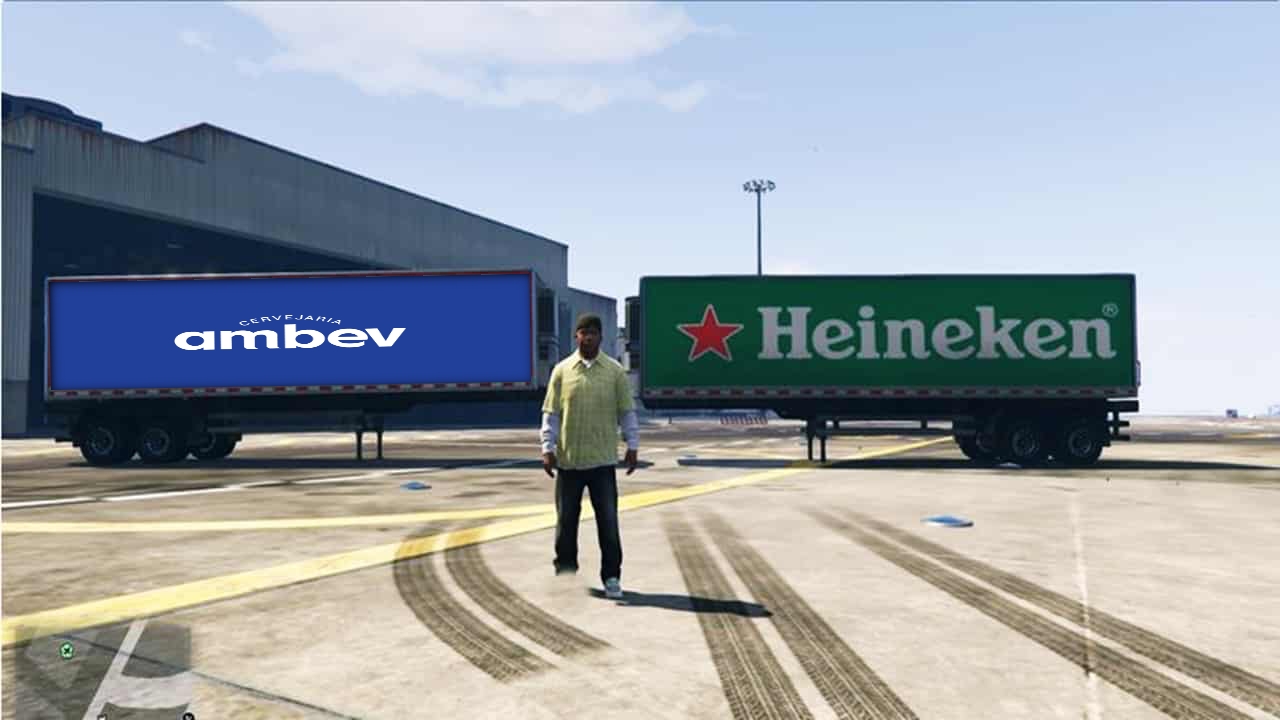
Dispute Begins Between Giant Alcoholic Beverage Producers Heineken and Ambev in the Brazilian Market
The Cade counselor and case reporter, Gustavo Augusto, granted a preventive measure at the end of September that prohibits, until the end of the World Cup in Qatar, the giant alcoholic beverage producers Ambev and Heineken from signing new exclusivity contracts, related to beer sales in bars, restaurants, and nightclubs.
The referred exclusivity contracts are business arrangements through which Ambev, owner of the beers Antarctica, Brahma, Budweiser, Skol, and Stella Artois, promises to pay and give discounts for commercial points not to sell their competitors’ beer brands.
Petrópolis (Itaipava) and Estrella Galicia Were Also Harmed
Thus, Heineken appealed to Cade claiming that there was an infringement of competition law. Grupo Petrópolis (Itaipava) and Estrella Galicia also claimed to have suffered the same harm as the German brewery.
-
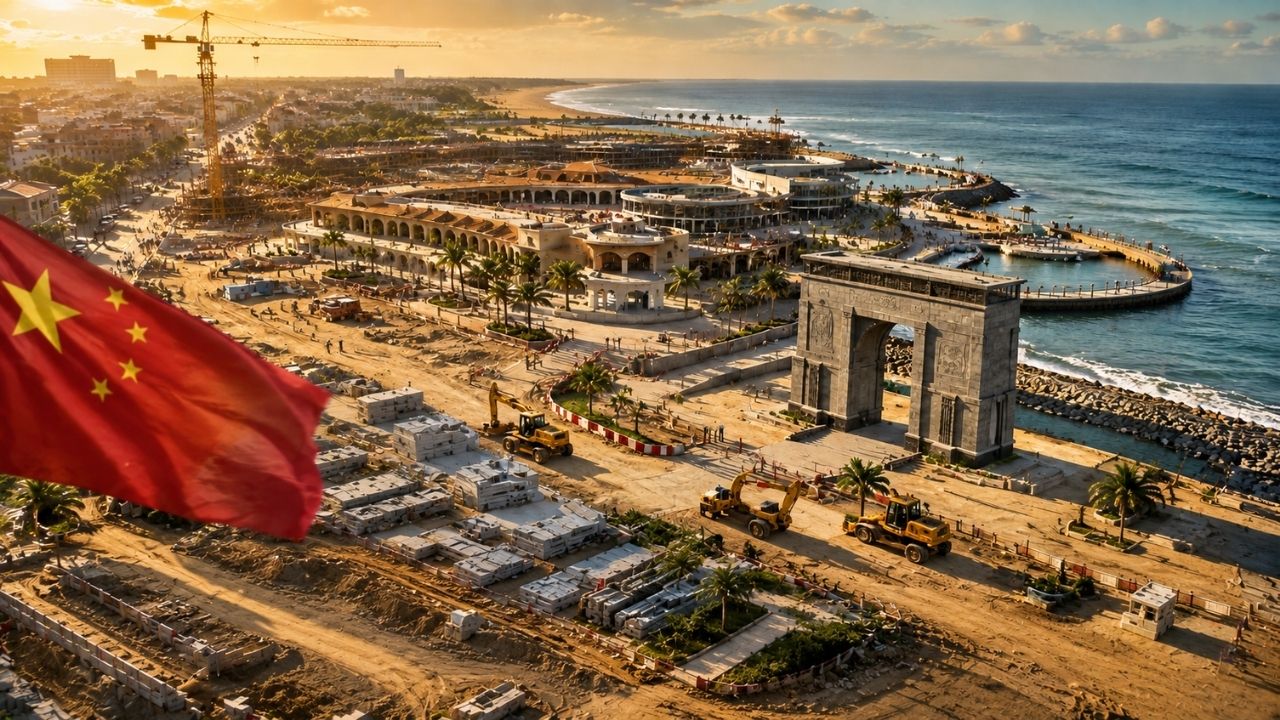
Chinese construction companies take on the project to transform the former historic port of Benin into a seaside tourist complex: the project in Ouidah will connect La Marina, a 2 km route, and the Gate of No Return memorial to redesign the African Atlantic coast with global appeal.

-
American city to tear through rock under a creek to build giant sewage tunnel: historic project in Lynchburg will be up to 36 meters below Blackwater Creek, store 17.8 million liters, and promises to cut 98% of polluting overflows by 2027.
-
While the world opens dry channels and routes between two oceans, Brazil is still discussing the railways it promised decades ago.
-
It’s not just China: a giant bridge was built next to the highway and moved into place during a 12-hour operation.



After the complaint, Cade authorized that only 20% of the bars, restaurants, and nightclubs selling Ambev beers could have exclusivity contracts. In the others, Ambev, the largest brewery in the world, is required to allow the sale of beers from Heineken, Itaipava, Petrópolis, Estrella Galicia, and other brands.
Additionally, the limitation will be assessed based on territorial grounds (state, city, or neighborhood, as applicable) and will be evaluated every quarter. The measure applies to the so-called cold channel, which are points of sale of cold beer for immediate consumption on-site, meaning it does not cover supermarkets, bakeries, and convenience stores.
It is important to emphasize that these limits will also apply to Heineken in states where it holds a market share above 20%.
Cade counselor Gustavo Augusto also requested the preparation of studies by DEE – Department of Economic Studies, to determine whether the 20% threshold should be maintained or if a more restrictive percentage should be established.
Violation of the Rules Will Result in a Fine of R$ 1 Million per Day and Suspension of Breweries’ Contracts
Heineken and Ambev will have 30 days to present the list of establishments that have exclusivity contracts and must provide quarterly reports showing the total for each location. Additionally, due to being considered abusive, the clauses that guaranteed Ambev exclusivity rights over future branches of the served establishments have been suspended.
In case of non-compliance, a fine of R$ 1 million per day will be applied, in addition to the possibility of suspending the exclusivity contracts for up to five years.
The measure will remain in effect until the administrative process is concluded, or until a new decision from the Cade court.






Be the first to react!