Portuguese
  Spanish



Heineken Suspends Ponta Grossa Plant After BR-376 Collision Leaks Lysozyme Into Stream Linked to Tibagi River; Water and Soil Institute Evaluates Damage and Demands Reports Before Releasing Water Capturing, While the Shutdown Pressures Jobs, Suppliers, Logistics and Public Confidence in the Region and Maintains Uncertainty Over Resumption
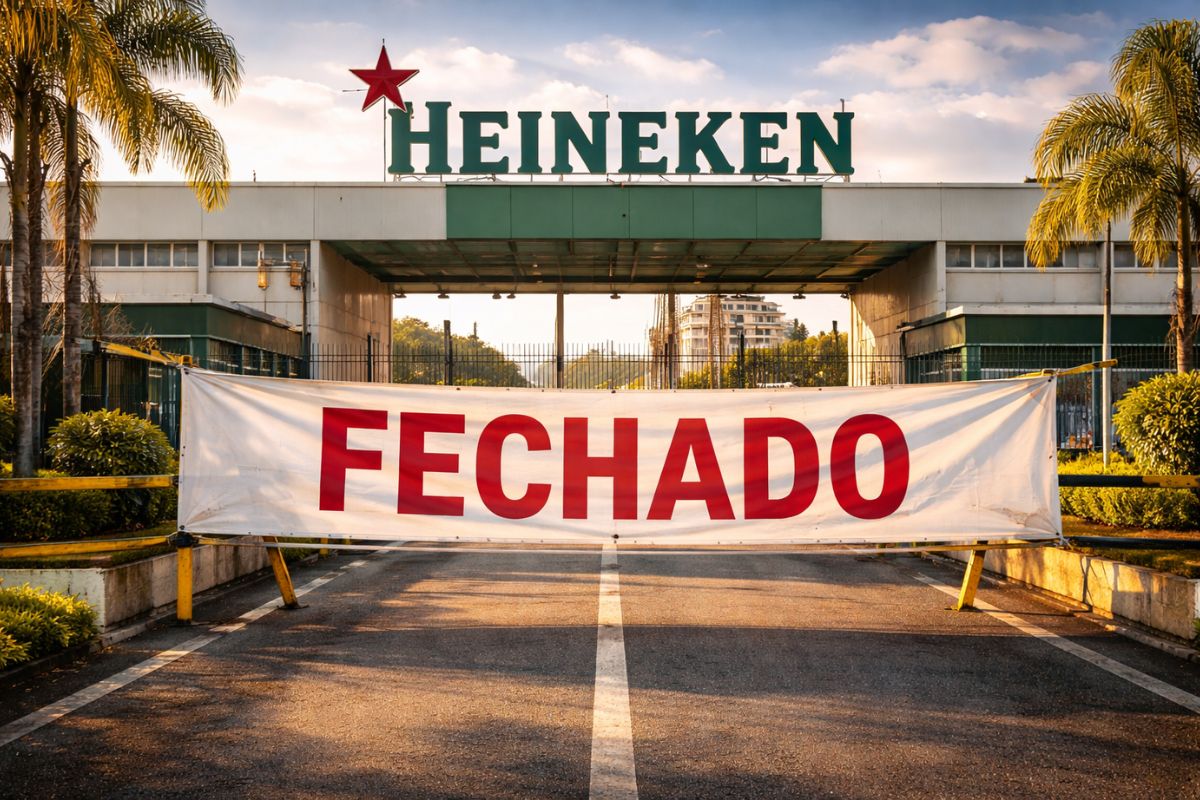
Heineken has halted production at its Ponta Grossa facility in Paraná, after an accident on BR-376 resulted in the leak of lysozyme and raised alarms about the Tibagi River, the main source of water used by operations. The shutdown was announced on February 5, 2026, while technicians assess whether there has been significant environmental impact.
The case exposes a sensitive point of the industry: when industrial water depends on a strategic river, any suspicion of contamination becomes an operational, reputational, and economic risk. In addition to monitoring the Tibagi River, reports, emergency protocols, and pressures for transparency come into play, as the regional supply chain feels the effects before a resumption date exists.
What Happened on BR-376 and Why the Factory Stopped

The incident began with a collision between two trucks on BR-376, at km 509, on February 3, 2026.
-
Brazil’s Largest Grain Port Faces Delays in the Hinterlands, Missing Rail Link Costs Agribusiness Billions

-
Egg Prices Drop Due to Weak Demand as Poultry Producers Increase Purchasing Power
-
iFood Takes 99Food and Keeta to Brazil’s Antitrust Authority Over Aggressive Discounts and Prolonged Losses, Raising Concerns of a New Delivery Market War

-
Brazilian Brothers Transform Dairy Business into Latin America’s Best Cheese, Boosting Revenue from $80,000 to $4 Million


The occurrence spilled lysozyme, described as a vegetable oil derivative that can be classified as hazardous waste when improperly discarded, requiring containment and monitoring; one of the drivers suffered a leg fracture and received medical attention.
Heineken stated that the suspension is preventive and that it will only resume operations after validation of environmental technical reports by the Water and Soil Institute and municipal authorities.
In practice, the risk is not only the accident itself, but the technical uncertainty about what reached the stream and whether this path touches the Tibagi River.
Lysozyme in the Stream: Why the Concern Doesn’t Disappear with a “Non-Synthetic” Label

Lysozyme is not presented as a synthetic poison, but the environmental discussion is not resolved merely by that label.
Substances with high organic load can consume dissolved oxygen when they enter water bodies, creating a stress scenario for fish and other organisms, especially in stretches with lower water renewal.
Another point is the combination of components cited for lysozyme, such as phosphorus, calcium, magnesium, metals, and pigments. In the presence of water, this can alter transparency, reduce light entry, and hinder gas exchanges, affecting local biodiversity.
For Heineken, this type of uncertainty becomes a direct risk, as the decision to resume depends on what the reports prove in the Tibagi River.
Tibagi River Under Monitoring: Reports, Water Capture, and the Role of the Water and Soil Institute
The Water and Soil Institute pointed out that part of the spilled load reached a stream along BR-376, potentially linked to a spring of the Tibagi River.
This hypothesis changes the level of the episode, as the Tibagi River appears as a direct reference for the water capture of the Heineken plant in Ponta Grossa, and any fluctuation requires operational caution.
In the investigation stage, reports usually depend on samplings and parameters that indicate environmental stress, such as dissolved oxygen, organic matter, turbidity, and signs of biological alteration.
Without a validated report, there is no technical basis to assert safety, and therefore Heineken conditions the resumption on formal release.
The central point here is “where” the plume reached and “how much” it altered the system, questions that can only be answered with field data.
Impact in Ponta Grossa: Local Economy, Logistics, and the Resumption Clock
The indefinite suspension affects the economy of Ponta Grossa through cascading effects, even without detailed public numbers.
Supply chains, transport, service contracts, and industrial shift routines are on hold, and the cost appears both in idle hours and in re-planning of distribution.
There is also the dimension of trust. When an environmental incident approaches a river like the Tibagi River, society demands speed, but speed without traceability of data tends to increase distrust.
On the operational side, resumption depends on a technical “yes” from the Water and Soil Institute, not corporate will, and the interval until this opinion becomes part of the risk that Heineken needs to manage publicly.
The situation also tests the inter-institutional response. The Federal Highway Police and Fire Department acted in the initial containment, and environmental monitoring continues as the investigation progresses.
In such cases, the inevitable debate is about industrial resilience: what happens when a unit depends on the same river, the same capture, and a logistics chain exposed to BR-376?
In the end, the episode leaves a question that goes beyond the accident: how to balance production, water security, and environmental vigilance in a region where the water from the Tibagi River supports more than one production line.
What is at stake is not just the return of the machines, but the level of trust in the process.
If you live in Paraná or have been through a similar environmental shutdown, what was the point that affected you the most: the fear of contamination of the Tibagi River, the economic pressure in Ponta Grossa, or the lack of a timeframe for Heineken to resume? What level of openness would you require from the reports about lysozyme before accepting that everything has returned to normal?