






 Portuguese
  Spanish


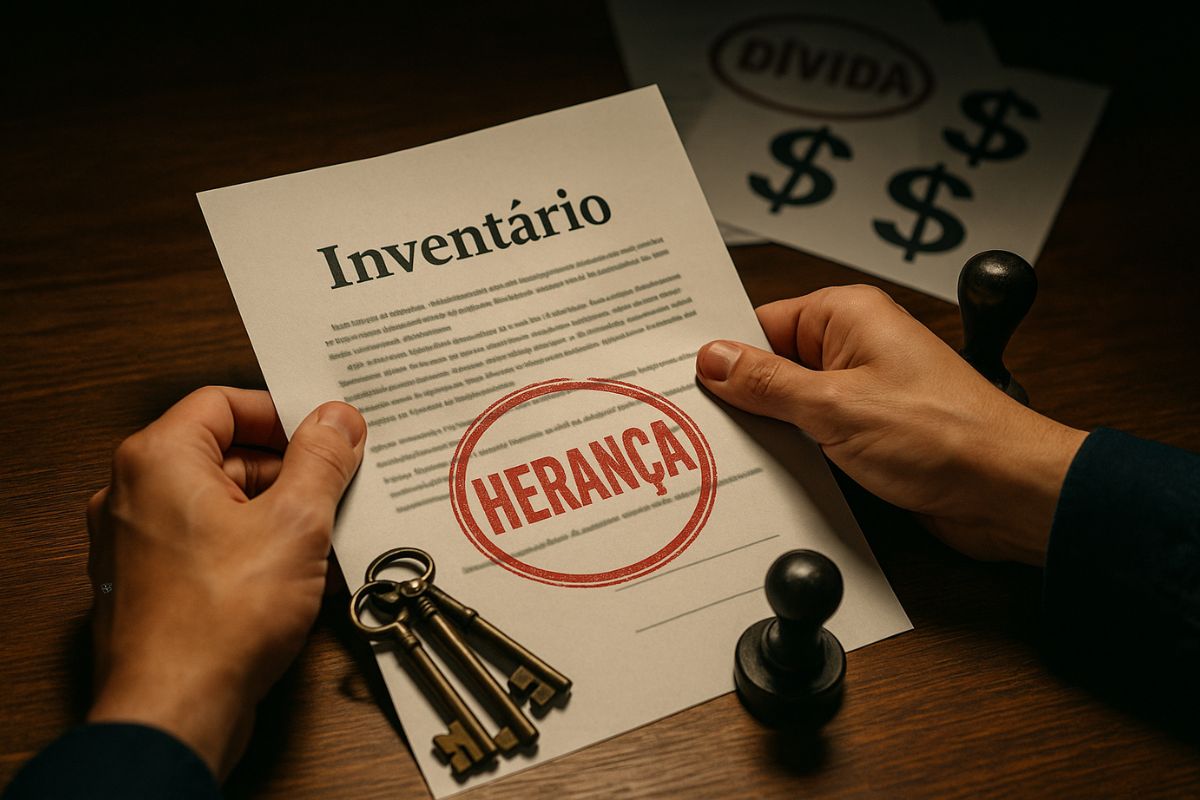


According to Lawyer Elaine Portela, a Specialist in Real Estate Law, An Heir Cannot Sell Property Without Distribution, Since Until the Conclusion of the Inventory All Assets Belong Jointly to All Heirs. What Can Be Negotiated Is Only the Assignment of Inherited Rights, an Operation That Requires Caution Due to Possible Hidden Debts in the Estate.
The question is common in families facing inventory processes: can an heir sell an inheritance property before the final distribution? According to Lawyer Elaine Portela, the answer is clear: it is not possible to sell property without distribution, because until the end of the process all assets form a unique estate — the estate — that belongs to all heirs collectively.
During this period, no heir is the owner of a specific asset, but only of an ideal share of the estate.
Therefore, any attempt to sell a property from the inheritance in isolation is considered null, unless there is consent from all heirs or a judicial decision authorizing it.
-
Major Appliance Manufacturer Closes Factory in Argentina, Shifts Production to Brazil, and Restructures in Latin America with Mexico Closure, Investing Up to $165 Million

-
China to Revive $3.6 Billion Mega-Dam Project in Myanmar, Stalled Since 2011, Promising 6 GW Capacity and Completion in Eight Years

-
Foreign Company Wins Auction for Brazil’s First Immersed Tunnel, a $1.3 Billion Project with $14 Million Contract Under Federal Investigation

-
China’s Century Megaproject Wows the World: Massive Water Transfer Network Moves Water from Wet South to Arid North, with Ambitious Plans in the Tibetan Plateau Involving Giant Tunnels at Altitudes up to 4,000 Meters




What Can Be Sold Before Distribution
Although selling property without distribution is not allowed, Lawyer Elaine Portela explains that there is the possibility of assignment of inherited rights.
In this case, the heir can transfer to third parties — or even to another heir — their ideal share of the inheritance.
The operation must be formalized in a public deed executed in a notary’s office.
This alternative, however, requires caution. Whoever acquires inherited rights assumes risks, as the final outcome of the inventory may bring surprises.
If the deceased left more debts than assets, the buyer may inherit only obligations and no tangible assets.
Risks of Hidden Debts in the Inventory


To avoid problems, the lawyer recommends a detailed document analysis before any negotiation.
Some of the most important documents include the certificate of real encumbrances (which indicates liens, mortgages, or restrictions on the property), the updated property registration (with ownership history), and negative certificates in the name of the deceased and the heirs, which help identify lawsuits, tax debts, or labor claims.
Ignoring this step can result in significant losses, as the buyer of the inherited rights may end up responsible for hidden liabilities.
Hastening to negotiate an inheritance asset without legal security can be costly in the future.
When the Heir Occupies the Property Alone
Another relevant point occurs when one of the heirs resides in the property left by the deceased.
In this situation, the others may seek the courts to charge proportional rent regarding the time of exclusive use or even request a judicial authorization for sale, even against the will of the occupant.
The judge may authorize appraisals by experts or brokers to set the market value and allow the sale.
Additionally, if the heir living in the property prevents visits from potential buyers, judicial measures can ensure access, preserving the rights of the other co-owners.
In summary, it is not possible to sell property without distribution, as all assets are part of the estate and equally belong to all heirs.
What can be negotiated is only the assignment of inherited rights, with the necessary care to avoid losses due to debts and hidden processes.
Have you ever been in a similar situation in an inventory? Do you think the law should be more flexible or do you believe the current rule better protects the heirs? Leave your opinion in the comments — we want to hear your real experience on this delicate topic.








Mãe e vo falecida e tem tre netos morando nao quer sai pra ser vendida eles tem esse direito de fica na casa
Passamos por algo parecido
Na partilha do inventário, meu esposo ficou com uma porcentagem de um dos imóveis, o processo já foi finalizado.
Ele agora é o curador da outra pessoa, com quem divide o imóvel. Sendo assim ele pode desmembrar a parte dele e vender? São 2 casas no mesmo terreno
E quando os imóveis tão alugados a divisão dos aluguéis tem q ser dividido em partes iguais ?