






 Portuguese
  Spanish


A New Strategy Against Pollution: Microorganisms and Bioremediation
This army exists, and they are bacteria, fungi, and algae with GRAS (Generally Recognized As Safe) status: organisms recognized as safe for industrial and environmental use.
The increasing contamination by synthetic chemicals, many of which are used in agriculture, has caused a serious environmental imbalance. Compounds such as alachlor, diuron, propanil, and trifluralin accumulate in soil and water, threatening biodiversity and human health.
While traditional methods (incineration, chemical solvents) may produce toxic byproducts or cost a fortune, bioremediation uses microorganisms, like bacteria, fungi, and cyanobacteria, which “devour” these pollutants, breaking their toxic molecules down into harmless compounds like water, carbon dioxide, and mineral salts.
-
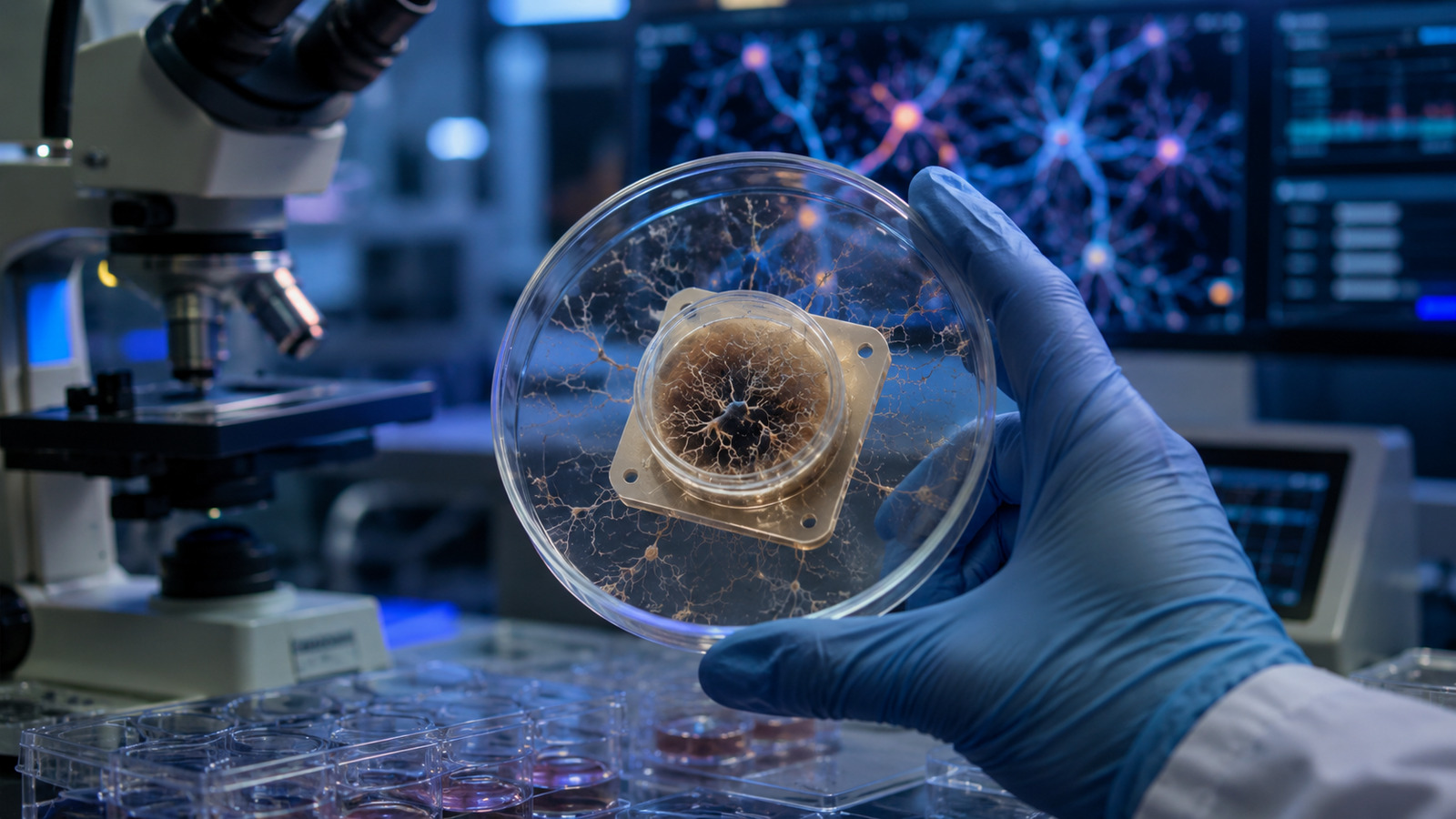
Iranian Scientists Develop Artificial Brain in Lab Using Living Human Neurons Capable of Learning and Forming Neural Networks

-
UK Selects Abandoned Nuclear Island for Rolls-Royce Reactors to Test Mini-Plant Viability Over 60 Years

-
12-Year-Old Indian Girl Invents FreshPaper, a Spice-Inspired Sheet That Extends Fruit Freshness by Four Times, Now Patented in the U.S.

-
South Korea Tows 18 Concrete Blocks Weighing Up to 48,000 Tons Over 36 km to Construct a 3.2 km Underwater Tunnel Between Busan and Geoje, Installed Nearly 50 Meters Deep





This process can occur in two ways: Mineralization, when the pollutant is completely destroyed; or Cometabolism, when the microorganism transforms the pollutant, even without feeding on it.
In addition to microbes, some plants assist in the process. This is known as phytoremediation, where species such as alfalfa, millet, ryegrass, and Kochia sp. absorb and stabilize contaminants present in the soil, reducing their toxicity.
In aquatic environments, cyanobacteria take center stage. They not only capture carbon but also degrade highly toxic compounds like lindane and propanil, which are widely used in agriculture.
And it doesn’t stop there. New technologies, such as metagenomic, proteomic, and transcriptomic analysis, are accelerating the ability to discover and enhance microorganisms specialized in environmental cleanup.
Unlike conventional methods, such as incineration, which generate toxic gases, bioremediation is cheap, sustainable, and does not produce harmful byproducts. A true silent green revolution.


