






 Portuguese
  Spanish
  2 min of reading
  0 comments


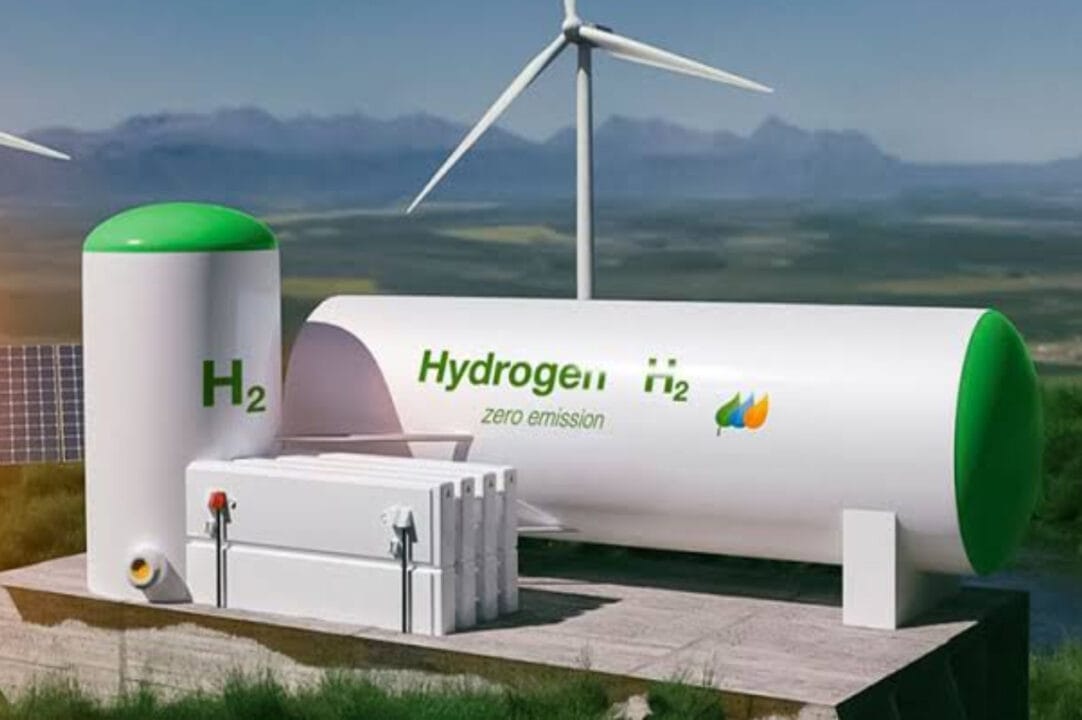
Brazil is preparing to lead global green hydrogen (H2V) production, marking a significant move in the green economy. The country plans to establish the world’s largest factory for producing this resource in the coming years. This initiative not only promises to transform the energy landscape, ending the focus on fossil fuels, but also showcases the country’s position as one of the largest global suppliers of low-carbon initiatives.
The government of Piauí is investing in what is being announced as the largest green hydrogen factory in the world. With operations expected to begin in 2027 and the goal of reaching full capacity by 2035, the plan involves implementing a hydrogen production park and a solar farm to keep everything in order. The production will primarily target Europe, representing a step forward in Brazil’s agreement with sustainability and technological alternatives.
Brazil Aims to Become a Reference in Green Hydrogen
Hydrogen emerges as a good energy source to transform transportation and industrial sectors by providing a sustainable alternative to fossil fuels. The production of green hydrogen, through water electrolysis, is essential for achieving carbon neutrality, significantly reducing greenhouse gas emissions.
-
Brazilian scientists are simultaneously advancing two research projects on clean hydrogen and driving solutions that could transform the energy matrix, enhance industrial competitiveness, and accelerate large-scale emission reduction targets.

-
Advancement in renewable energy: A R$ 150 million project launched by Petrobras and Finep aims to create state-of-the-art electrolyzers for green hydrogen, strengthening national research and preparing Brazil to compete in a billion-dollar energy market.
-
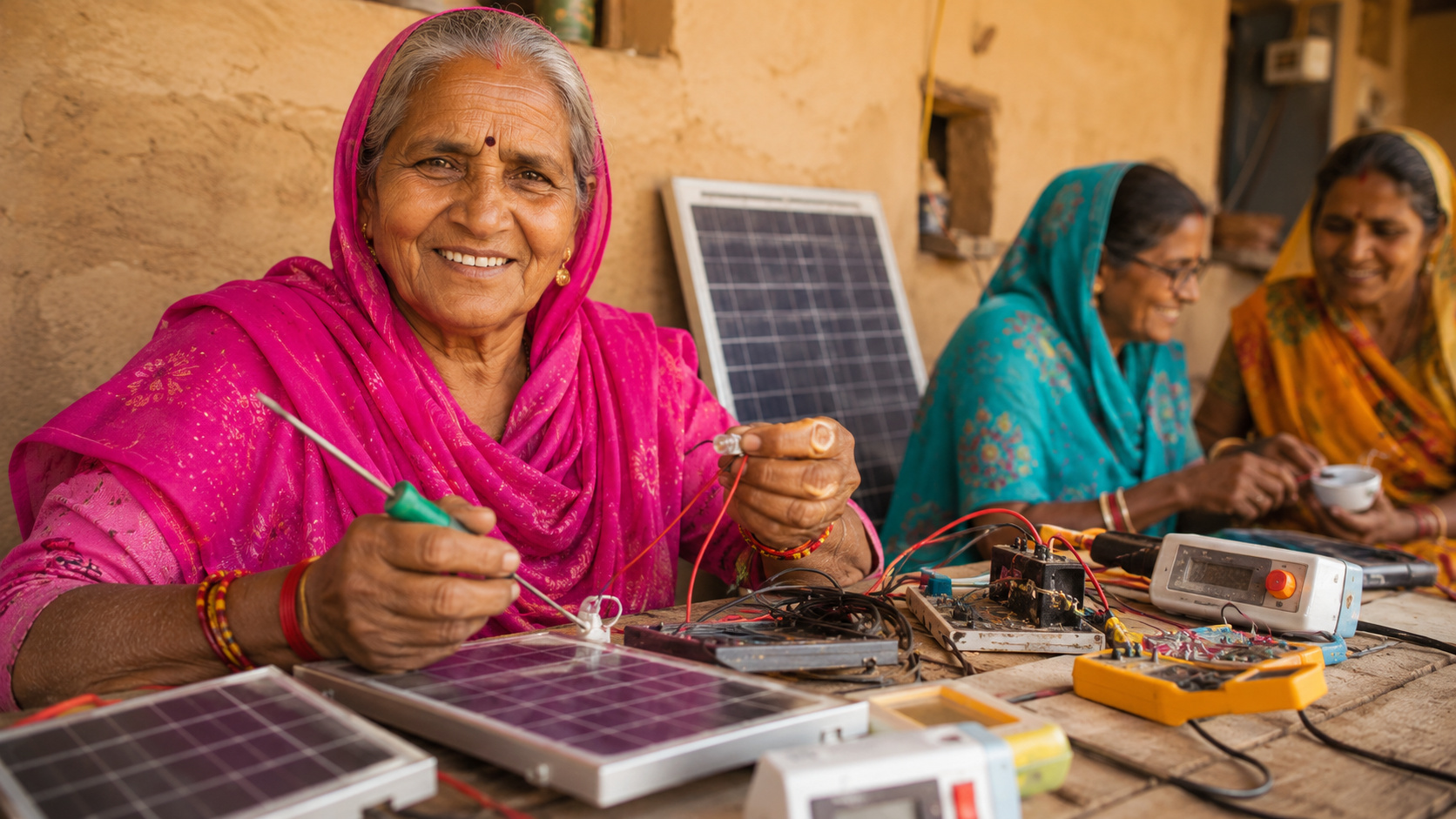
Illiterate or semi-literate grandmothers were trained to repair solar systems, open rural workshops, and light up homes that still depended on kerosene.
-
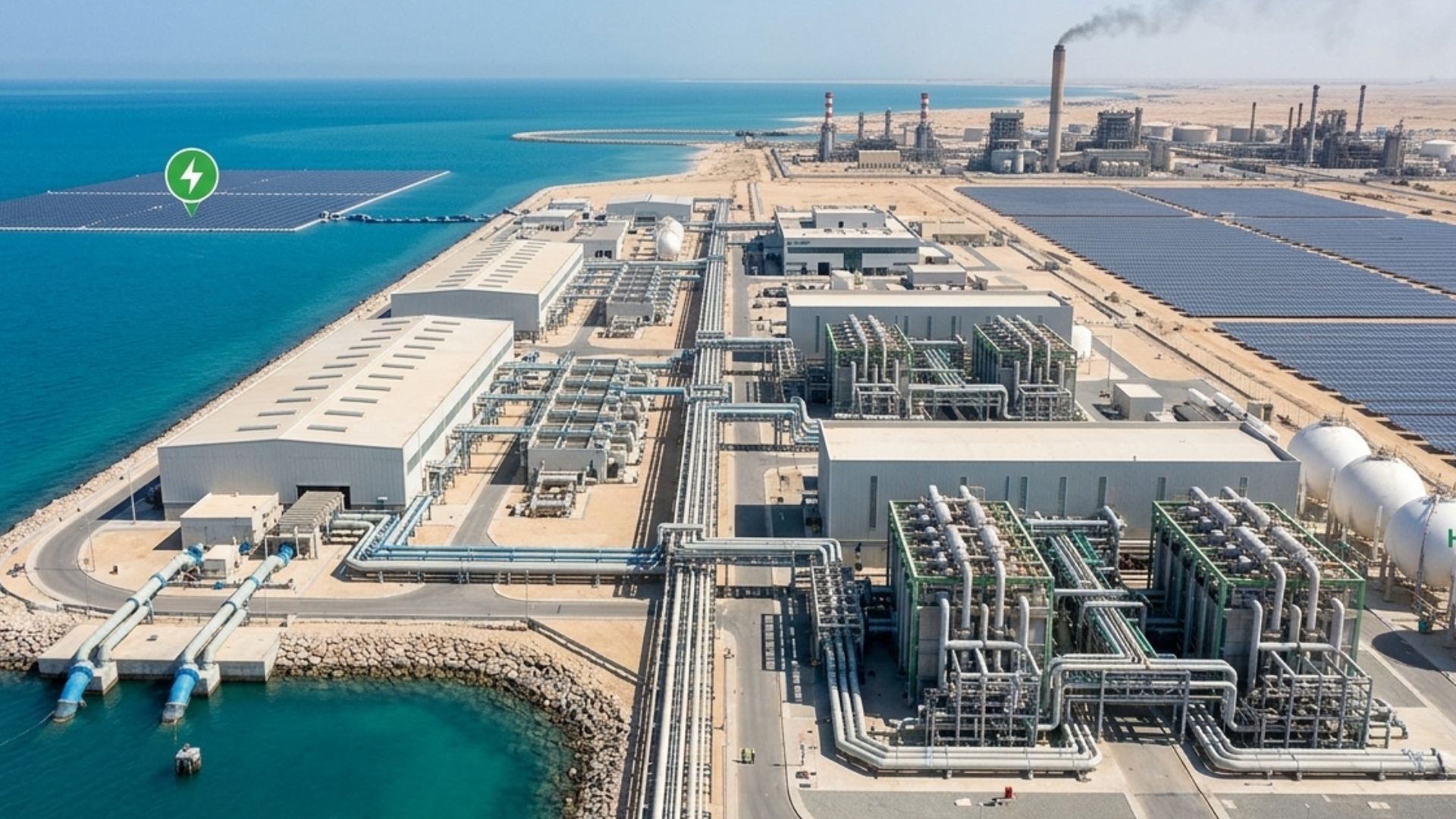
The world has bet on green hydrogen as the fuel of the future, but now faces the side effect: producing 1 kilogram requires about 9 liters of ultrapure water, and the largest projects on the planet are precisely in the driest regions of the Earth, where water is already scarce for people.



Therefore, the green hydrogen factory in Piauí, coupled with the growing adoption of electric vehicles, indicates a transformation in the energy market. With an abundance of natural resources, Brazil finds itself in a position to lead this change, aiming to create new means for a less environmentally aggressive global economy.
Indeed, green hydrogen has applications in various sectors. In vehicles, it can power fuel cells, providing a clean alternative to fuels. It can be used in industry as a raw material for chemical products. Moreover, it can be utilized in electricity generation by powering hydrogen turbines in plants.









Be the first to react!