





 Portuguese
  English
  Spanish
  5 min of reading
  0 comments


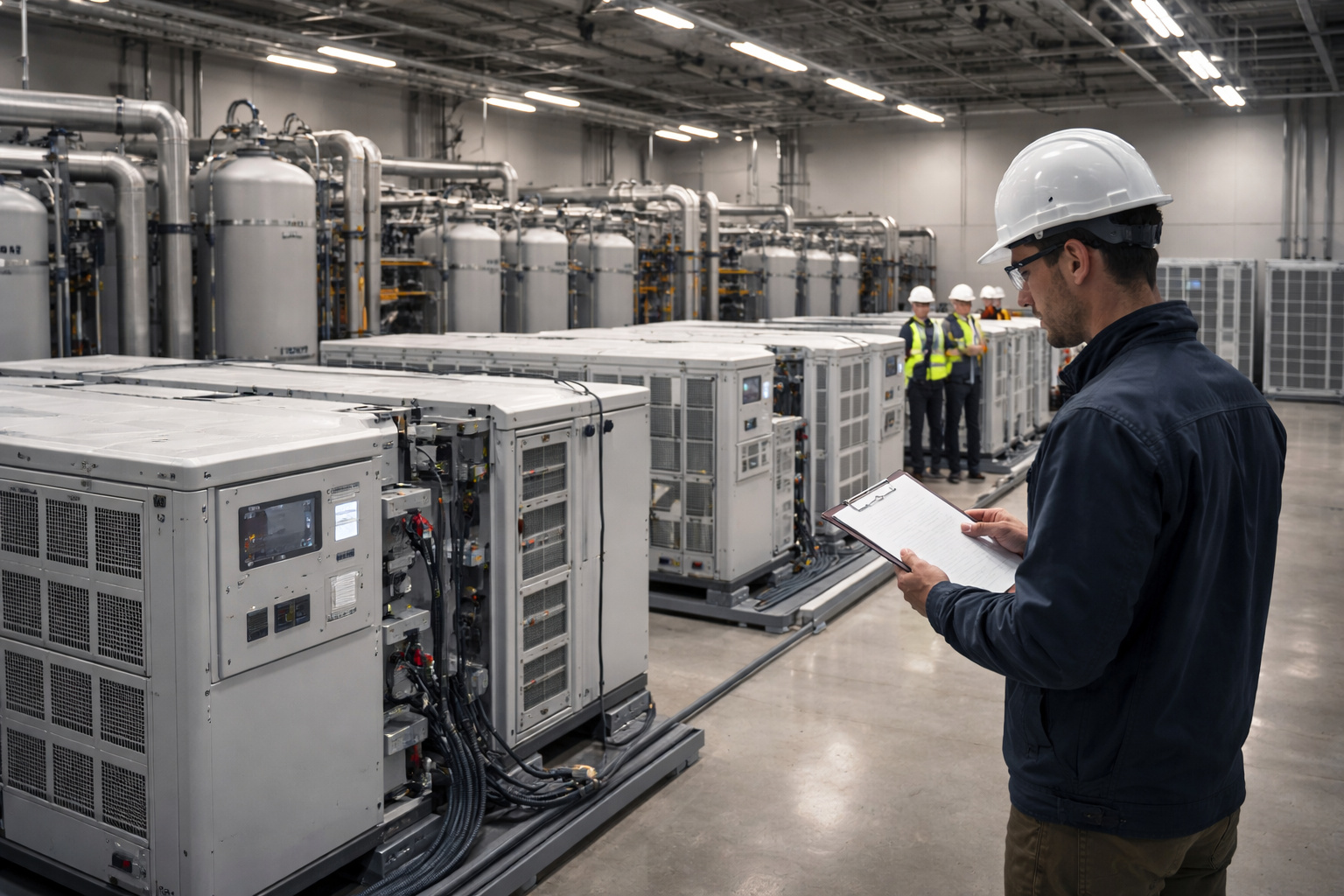
US technology uses carbon and oxygen to store energy for more than 100 hours and emerges as an alternative to lithium batteries at scale.
In 2026, the American company Noon Energy began to announce advancements in a technology created to tackle one of the biggest challenges of the energy transition: how to store renewable energy for several days without relying on critical metals. According to the company, its system uses an ultra-long duration battery based on carbon-based storage media and the use of oxygen from the air, with the aim of maintaining electrical supply even when solar and wind generation stops for extended periods.
According to Noon Energy itself and reports from specialized outlets such as Latitude Media and pv magazine, the system has already operated for thousands of hours in pilot testing and demonstrated over 100 continuous hours of storage, reaching more than 200 hours of capacity in demonstration. This level places the technology above conventional lithium-ion batteries used for short-term storage and reinforces the company’s bet on solutions for energy gaps lasting several days.
Carbon and oxygen-based energy storage technology gains traction in Silicon Valley
The concept developed by Noon Energy is based on what the company describes as “reversible electrofuels,” which is a reversible electrochemical process that allows electricity to be converted into a stable form of chemical storage and then reconverted into electrical energy when needed.
-
Forget common renewable energy: HydroWing prepares a 10 MW project in Indonesia to transform ocean currents into predictable electricity, using turbines installed on the seabed in a region where the funnel effect between islands increases tidal potential.

-
The world could operate on clean electricity by 2050, but a study indicates that this would require up to 20 TW of renewable energy, more than 9 million hectares for solar, and strong cooperation between countries.

-
New catalyst developed by scientists in the USA enhances the performance of water electrolysis without using platinum, reducing operational costs and expanding the potential of green hydrogen as a strategic alternative for industries, heavy transportation, and clean energy generation.
-
China implements basalt fibers tested on the Moon to contain the desert’s advance in 1 million hectares, and the program surprises scientists worldwide.




In practice, when there is excess renewable generation, such as during periods of high solar or wind production, electricity is used to transform carbon and oxygen-based inputs into a stored energy state. When the grid needs energy, the process is reversed and electricity is released again.
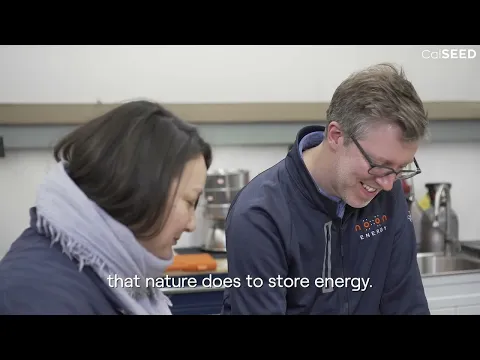

The central point of this approach lies in the choice of materials. Unlike traditional batteries, which rely on complex supply chains for mining and refining critical metals, the system bets on abundant and widely available elements, which can reduce costs and geopolitical risks associated with large-scale battery production.
Limitation of lithium batteries drives the search for long-lasting solutions such as the model that uses carbon and oxygen to store energy
The relevance of the technology proposed by Noon Energy is directly linked to a structural problem of the energy transition: the intermittency of renewable sources.
Solar and wind energy do not produce electricity consistently. During low generation periods, such as cloudy days or weeks with little wind, electrical systems rely on energy reserves to maintain supply. Today, most of this function is still performed by gas or coal thermal power plants.
Lithium-ion batteries, despite being widely used, have clear limitations in this context. They are efficient for short-term storage, typically between 2 and 8 hours, but become economically unviable when trying to extend that time to dozens or hundreds of hours.
It is in this space that so-called long-duration storage solutions come in, often defined as those capable of providing energy for more than 10 continuous hours. In the case of Noon Energy’s technology, the goal is to significantly surpass this limit.
Reversible chemical system may allow storage for several consecutive days
The technical differential of the proposal lies in the ability to store energy for much longer periods without significant losses. According to the company, the system is designed to operate in cycles that can exceed 100 hours of continuous discharge, equivalent to more than four days providing electricity without interruption.
This type of capacity is considered strategic by energy sector experts, as it allows covering events known as “dunkelflaute,” a term used in Europe to describe prolonged periods with low solar and wind energy generation.
Moreover, the use of a carbon-based chemical system allows for greater storage stability compared to conventional electrochemical batteries, which tend to suffer more accelerated degradation over time.
Reduction of dependence on critical metals may change the geopolitics of batteries
Another relevant point is the potential impact of this technology on the global energy production supply chain. Currently, the manufacturing of lithium-ion batteries heavily relies on resources concentrated in a few countries, such as lithium in South America, cobalt in the Democratic Republic of the Congo, and processing in China. This concentration creates supply risks and price volatility.
“`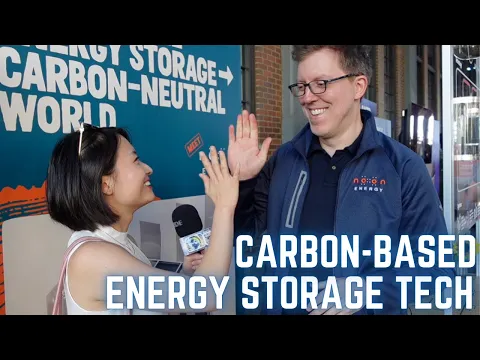
By proposing a system based on carbon and oxygen, Noon Energy attempts to circumvent this dependency. This paves the way for a more decentralized expansion of energy storage infrastructure, potentially reducing logistical bottlenecks and pressures on global supply chains.
Scalability and cost are still the main challenges of the technology
Despite the potential, the technology still faces significant challenges before achieving large-scale adoption. The first is industrial scalability. Long-duration storage systems need to operate at levels of tens or hundreds of megawatts to be economically viable in national or regional power grids.
Another critical factor is the cost per megawatt-hour stored. Although the proposal to use abundant materials suggests cost reduction in the long term, there is still no consolidated public data on the final cost of the technology at commercial scale.
Moreover, the energy efficiency of the full cycle — that is, the amount of energy recovered compared to the energy stored — will be a decisive factor for the competitiveness of the system against other emerging solutions, such as iron-air batteries, thermal storage, and gravitational systems.
Operational advances indicate evolution, but commercial adoption still depends on large-scale validation
Noon Energy claims to have conducted operational tests for thousands of hours, indicating progress in the maturity level of the technology. However, the transition from prototypes to large-scale commercial projects is still a complex process that involves financing, regulation, and integration with existing power grids.
Historically, many promising storage technologies have faced difficulties at this stage, especially due to the need for high investments and long timelines for financial returns.
Even so, the growing interest from investors and the energy sector in long-duration solutions indicates that technologies like this may gain traction in the coming years, especially as the share of renewable energies continues to increase in the global matrix.
What do you think of this new generation of batteries that promises to store energy for entire days?
The proposal to transform carbon and oxygen into a long-duration energy storage system represents a significant shift in how energy can be stored and used in the future. If the technology can overcome the challenges of cost and scale, it could profoundly alter the global energy infrastructure, reducing dependence on fossil fuels and critical materials.
Do you believe that solutions like this can replace traditional batteries and thermal power plants in the coming years, or are there still difficult technical and economic barriers to overcome?







-

1 person reacted to this.