






 Portuguese
  Spanish


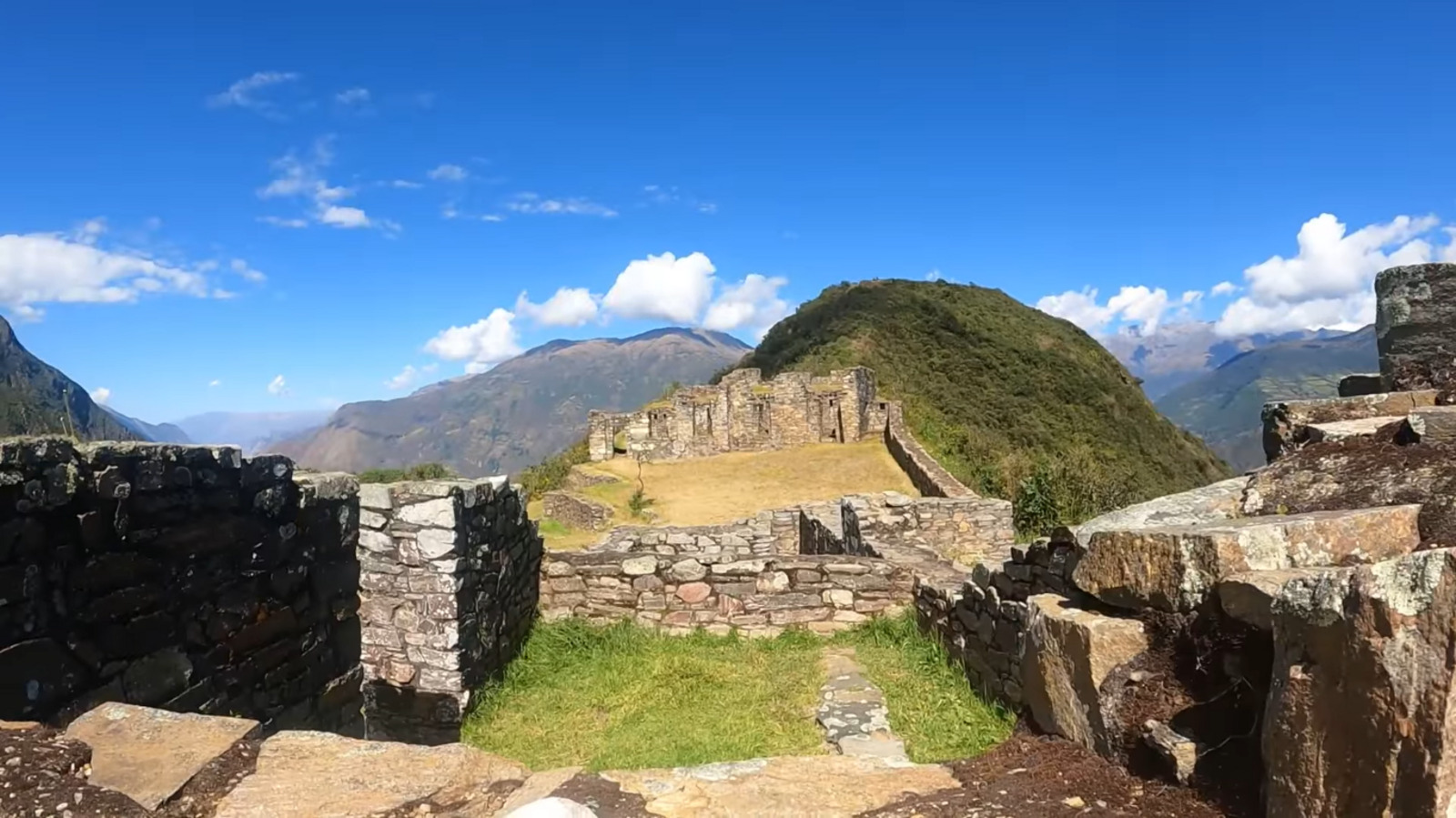


Hidden on a remote ridge in Peru, Choquequirao brings together terraces, temples, hydraulic channels, and the Llamas of the Sun, while the four or five-day trail limits visitors and aids in the preservation of the Inca ruins
Choquequirao preserves, in the mountains of Peru, a sacred city linked to the final resistance of the Inca Empire, with terraces, temples, hydraulic channels, and access so difficult that it keeps the site away from mass tourism.


Strategic stronghold of the last Incas
The complex appears as one of the great archaeological treasures still hidden in the Andes.
Located on a remote ridge, it holds structures associated with the period when the last Inca rulers sought to resist after the fall of Cusco.
-
Security Guard Becomes Doctor at Louisiana Hospital Where He Once Worked, Studied Chemistry Between Shifts

-
Woman Rescued from Luxury Complex in Brazil Worked Without Pay for 55 Years, May Be Entitled to Over $300,000

-
Brazilians in Portugal Face Increased Police Checks as Consulate Advises Carrying Documents; Long-term Resident and Tourist Report Heightened Scrutiny in Porto.

-
Russia Proposes Bold Energy Transition Plan at BRICS, Citing $8 Trillion Annual Cost for 2050 Global Target



The location of Choquequirao played a decisive role. Its isolation in the mountains favored defense against invading Spanish forces during the sixteenth century, when the region became part of the empire’s final stage of resistance.
Beyond its military function, the site also held spiritual and administrative importance. Its structures indicate a connection with Andean trade routes and reveal how civil and religious engineering advanced even in high-altitude areas.
Sacred city on steep slopes
The archaeological complex occupies a wide area, distributed across different levels of agricultural terraces and ceremonial temples carved in stone.
The organization of the space shows a careful adaptation to the irregular terrain of the Peruvian Andes.
The constructions were erected using techniques aimed at the stability of buildings on extremely steep slopes.
This characteristic reinforces the degree of sophistication achieved by the builders, who had to transform a challenging terrain into an inhabited and ritualistic center.
In Choquequirao, the landscape is not just a backdrop. The geography itself is part of the historical strength of the place, combining natural defense, isolation, and visual control over a mountainous region with difficult circulation.
Trail requires four or five days
Access to the site is described as one of the most difficult among Peru’s archaeological destinations. There are no roads or trains taking visitors directly to the ruins, which turns the arrival into a demanding physical expedition.
The journey crosses the Apurímac River canyon, in variable climatic conditions. The path involves elevation changes of over fifteen hundred meters, in addition to the need for self-sufficient camping for four or five days.
Visitors also face extreme microclimates, ranging from tropical heat to intense cold. The isolation is amplified by the absence of modern communication and rescue infrastructures, making the journey even more challenging.
Llamas of the Sun increase archaeological interest
Recent excavations at Choquequirao have revealed terraces decorated with camelid figures made of white stones.
These images, known as Llamas of the Sun, are exclusive to this archaeological site.
The presence of these figures indicates a superior ritualistic importance for the elite of Peru. They add a rare artistic element to the complex and help differentiate the city from other known Inca centers.
Archaeologists have also identified complex irrigation channels that still function after centuries of abandonment in the high jungle. These hydraulic systems ensured food production for an isolated population during military sieges.
Isolation helps preserve the heritage of the mountain city
The difficulty of access limits the number of daily visitors and reduces the environmental impact on the site. With less circulation, the wear and tear on the ancient stones that form terraces, temples, and internal paths also decreases.
This condition allows researchers to study original structures without significant interference from modern infrastructure.
Low-impact tourism maintains a quiet experience, closer to the Andean landscape and the historical dimension of the place.
Keeping Choquequirao isolated appears as a vital measure to protect a heritage linked to Inca resistance, engineering in the Andes, and archaeological discoveries that still remain far from mass visitation.
With information from Revista Oeste.


