Portuguese
  Spanish





Indicator considered a preview of GDP exceeds market projections, shows consistent growth over 12 months and reveals expansion in all sectors of the economy
The Brazilian economy started 2026 with positive signs and above market expectations. This information was disclosed by the Central Bank, which pointed to a growth of 0.60% in the Economic Activity Index (IBC-Br) in February, compared to January. The result exceeded the median of the estimates collected by Valor Data, which anticipated an increase of 0.55%, reinforcing the reading of a more heated economic scenario.
Furthermore, the data fell within the range projected by analysts, which varied between a decline of 0.30% and growth of up to 1.30%, showing that, although there are uncertainties, the performance remained aligned with the more optimistic expectations.
IBC-Br indicates consistent growth, but reveals fluctuations in the short term
When we analyze broader periods, the numbers show a positive trajectory. In the quarter ending in February, for example, the indicator recorded an increase of 1.13% compared to the previous quarter, highlighting a gradual recovery of economic activity.
-
Brazil’s 2026 Tax Refund: Record 9.58 Million Filers in Largest Payout Ever, But a Key Detail on Priority Recipients Draws Nationwide Attention

-
Itaú Alters Hybrid Work Model, Increasing Office Days from 2028, Prompting Employees to Adjust to New Routine
-
Facing Labor Shortage, Japan Plans to Invest $34 Million to Attract Foreign Workers in Construction, Healthcare, Industry, and Commerce

-
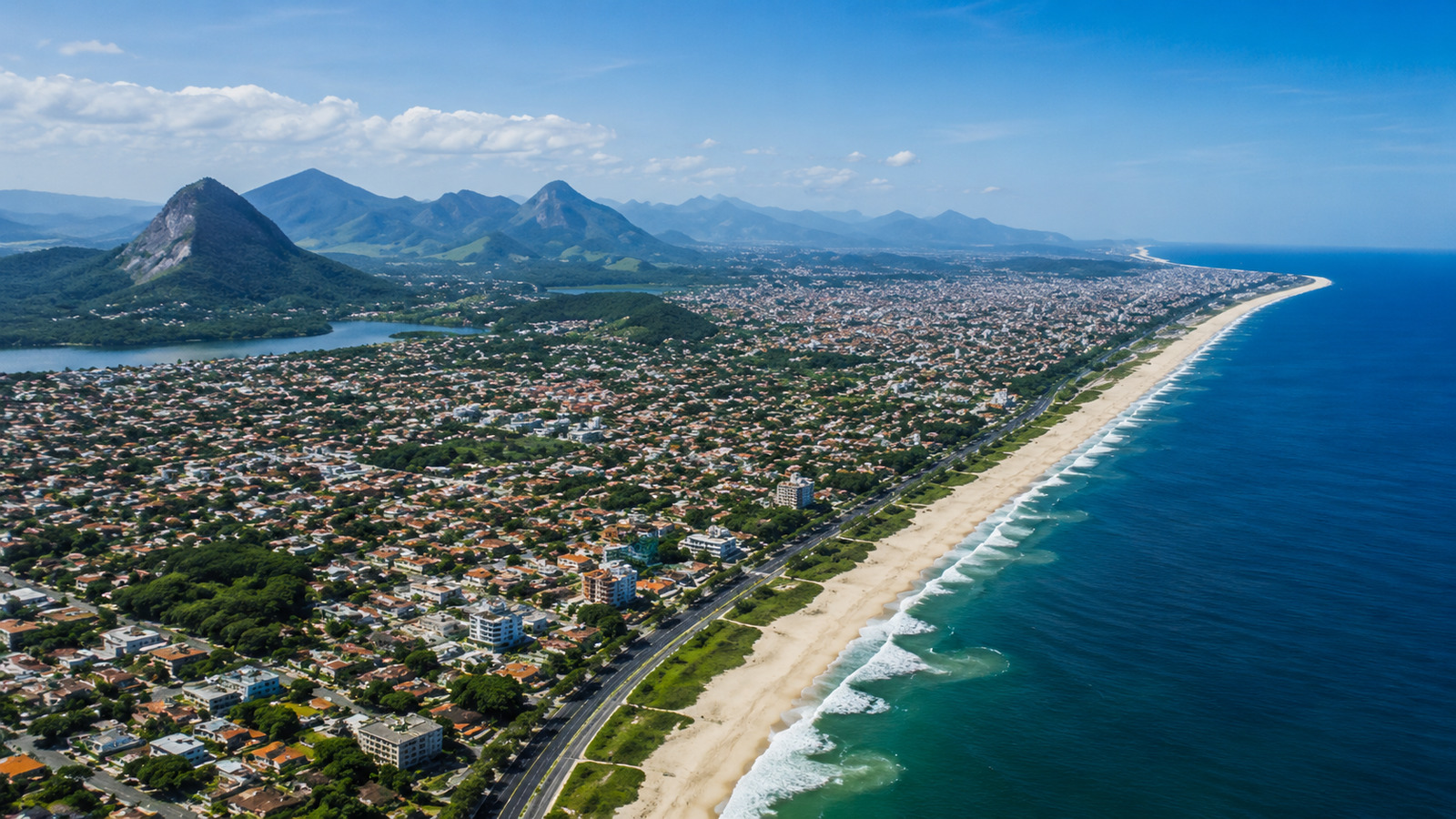
Brazilian City Makes Remarkable Leap, Becomes 4th Wealthiest in the Country with GDP of R$ 134.1 Billion



On the other hand, compared to February 2025, there was a slight retraction of 0.27%, a result close to the median of projections, which indicated a decline of 0.20%, with a range between a drop of 1.80% and an increase of 2.50%. This demonstrates that, despite the recent advance, the economy still faces fluctuations in the short term.
In the accumulated 12 months until February, the IBC-Br showed growth of 1.88%, a figure considered more stable by specialists, precisely because it is less influenced by frequent revisions. In the first two months of 2026, the increase was 0.39% compared to the same period in 2025, indicating moderate but consistent evolution.
Understand why the IBC-Br is called the “preview of GDP”
The IBC-Br is widely used as a kind of thermometer of the Brazilian economy. This is because, unlike the Gross Domestic Product (GDP), calculated quarterly by IBGE, the Central Bank’s indicator has monthly frequency, allowing for a more dynamic monitoring of economic activity.
However, it is important to highlight that there are methodological differences between the two indicators. According to the Central Bank itself, these divergences tend to be more significant in sectoral analyses than in aggregated data.
Even so, the IBC-Br remains an important reference for investors, economists, and public policy makers, as it anticipates trends and aids in decision-making.
All sectors grow, with a highlight on industry
Another relevant point from the report released by the Central Bank is the positive performance across all sectors of the economy, albeit at different rates.
The industry was the standout, with an increase of 1.18%, followed by taxes, which rose 0.75%. Meanwhile, the indicator that excludes agriculture recorded growth of 0.61%, reinforcing the expansion in other segments.
On the other hand, the services and agriculture sectors showed more moderate growth, with increases of 0.29% and 0.23%, respectively. Still, the fact that all sectors showed advancement indicates a more widespread recovery of the economy.
Additionally, the Central Bank also revised the January data, which changed from a rise of 0.78% to 0.85%, further reinforcing the scenario of continuous growth at the beginning of the year.
Do you believe that this economic growth is already being felt in your daily life?