Portuguese
  Spanish


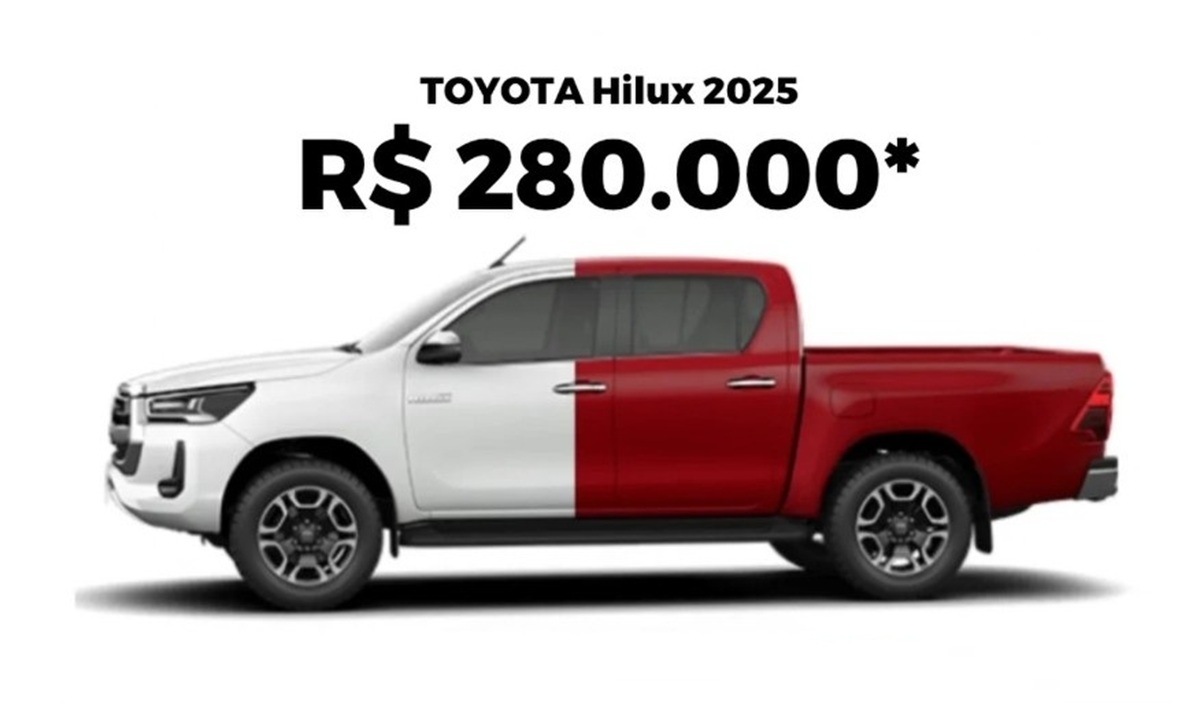


The Price Of A Car In Brazil Goes Far Beyond The Value Of The Vehicle Itself. The Tax Burden, Formed By Different Taxes, Can Turn The Consumption Dream Into A Heavy Expense. In The Case Of The 2025 Toyota Hilux, The Difference Between The Manufacturer Price And The Final Price Exposes The Impact Of Taxes On The Consumer’s Pocket.
Buying A Vehicle In Brazil Goes Far Beyond Choosing The Desired Model. The Impact Of The Tax Burden Of The Hilux 2025 Transforms The Final Value And Helps Explain Why Cars Are So Expensive In The Country.
The Toyota Hilux 2025, For Example, Illustrates This Scenario Well.
The Model, Which Could Cost R$ 134,400 Without Taxes, Reaches Dealerships For R$ 280,000. The Difference Of R$ 145,600 Represents Exclusively The Sum Of Taxes Such As PIS, Cofins, IPI, And ICMS.
-
British Factory Transitions from Mechanical Parts to Producing 420,000 Electric Power Units Annually, Supplying 70% of Ford’s Electric Cars Sold in Europe

-
Toyota Shifts from Hybrid Cars to Electric Air Taxis with Joby’s 6-Rotor Aircraft, Capable of 322 km/h, Aiming for Mass Production to Electrify Urban Skies

-
Ferrari Unveils Limited Edition 12Cilindri Manuale: 6.5-Liter V12, 830 HP, 0-100 km/h in 2.9 Seconds, Top Speed Over 340 km/h, Only 1,499 Units Available

-
Discover the 2021 Fiat Cronos 1.3: Affordable Maintenance, Reliable Mechanics, and Fuel Efficiency of Up to 15.6 km/l


The Weight Of Taxes On The Final Price
In Practice, The Consumer Pays More In Taxes Than In The Actual Net Value Of The Vehicle. The Cost Of The Pickup Truck Corresponds To Just Under Half Of The Final Price.
On The Other Hand, Taxes Take A Larger Share, Becoming Responsible For More Than 50% Of The Value.
This Imbalance Reflects The Brazilian Tax Structure, Considered One Of The Most Complex And Burdensome In The World.
Comparisons And Market Impact
While In Other Countries The Same Hilux Is Sold For More Affordable Prices, In Brazil The Weight Of Taxes Creates A Barrier.
The Buyer Needs To Shell Out Nearly Double The Manufacturer Price To Access The Car. This Not Only Increases The Product’s Cost But Also Limits Access To More Technological And Safe Models.
The Market Ends Up Restricting The Consumer’s Choice Power And Reinforcing The Perception That Cars In Brazil Are Luxury Items.
Debate On Tax Reform
The Situation Rekindles Discussions About The Need For A Tax Reform That Makes The System More Balanced.
The Division Presented By Toyota Clearly Shows How Taxation Directly Affects The Consumer’s Pocket.
Meanwhile, Brazilians Continue To Pay High Prices Not Only For The Vehicle But Mainly For The Tax Burden That Comes With It.