






 Portuguese
  Spanish


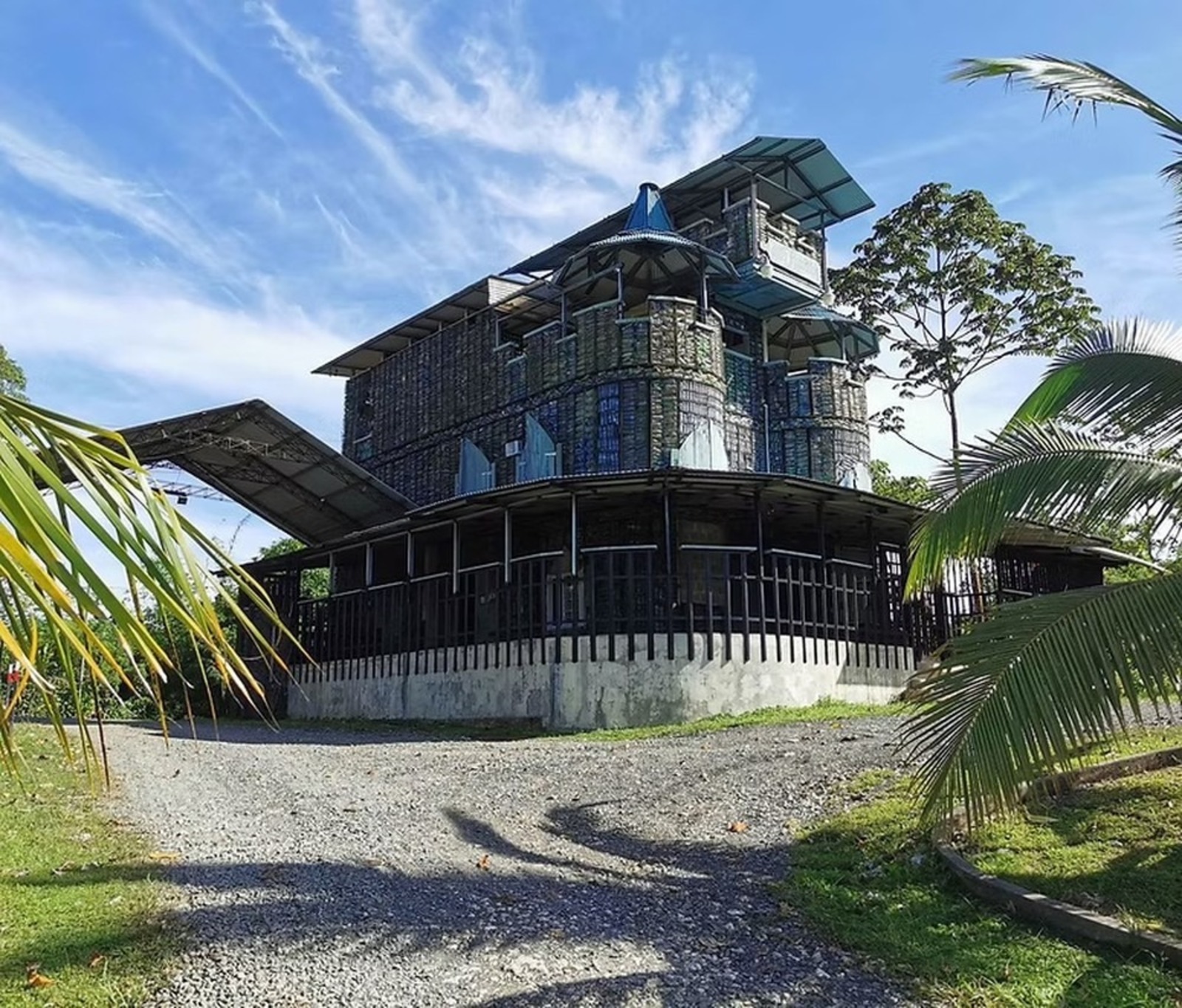


Project Created by Canadian in Isla Colón Reuses Millions of Bottles Collected in Cleanup Events, Becomes Tourist Attraction, Educational Space and International Reference in Upcycling, Thermal Insulation and Low-Impact Construction Alternatives
A 4-story castle built with around 40,000 plastic bottles has become a reference in Isla Colón, in the Bocas del Toro archipelago, Panama, by presenting a local solution for waste and environmental impact.
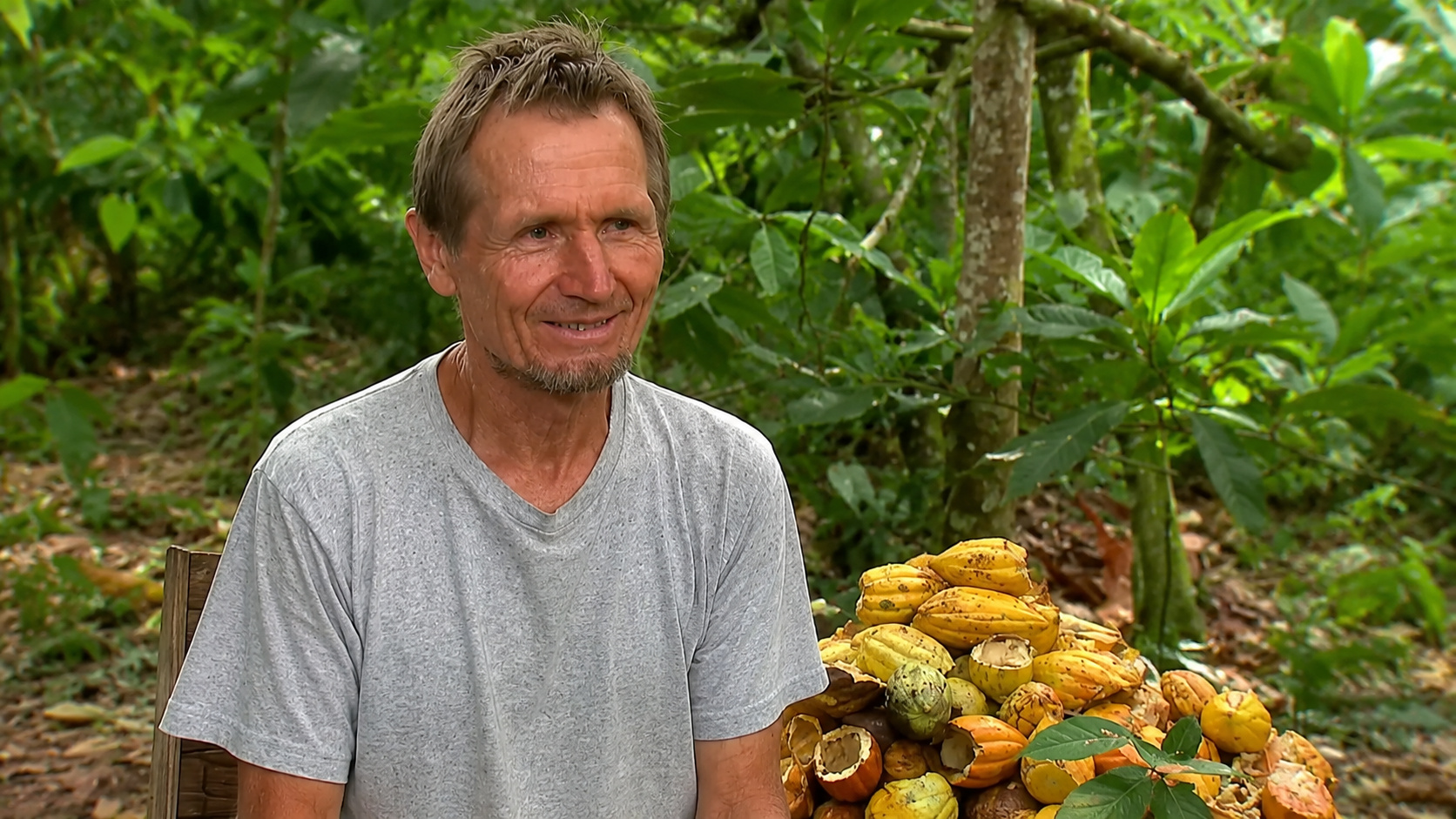
Built in Isla Colón, in the Bocas del Toro archipelago, the property was created by Canadian Robert Bezeau, who has lived in Panama since 2012 and works on repurposing waste collected from beaches and communities.
The initiative started after about a year and a half of participation in cleanup events, during which Robert helped collect more than 1 million plastic bottles scattered across coastal and urban areas.
-
Farmer Revives Arid, Abandoned Land in Brazil’s Bahia into Thriving Forest, Demonstrates How ‘Syntropic Agriculture’ Can Transform Rural Futures

-
Study Reveals 40% of Brazilians Unaware of Circular Economy, Highlighting Challenges in Sustainable Transition and Recycling Expansion
-
Brazilian Startup Converts Rain into Potable Water Without Chemicals, Surpasses 10 Million Liters, Joins $1.2 Million Project to Bring Simple Technology to Drought-Stricken Areas in Northeast Brazil
-
Brazilian Company Innovates with Treated Water Billing Model, Surpassing 10 Billion Liters and Offering Up to 40% Savings for Large Industries
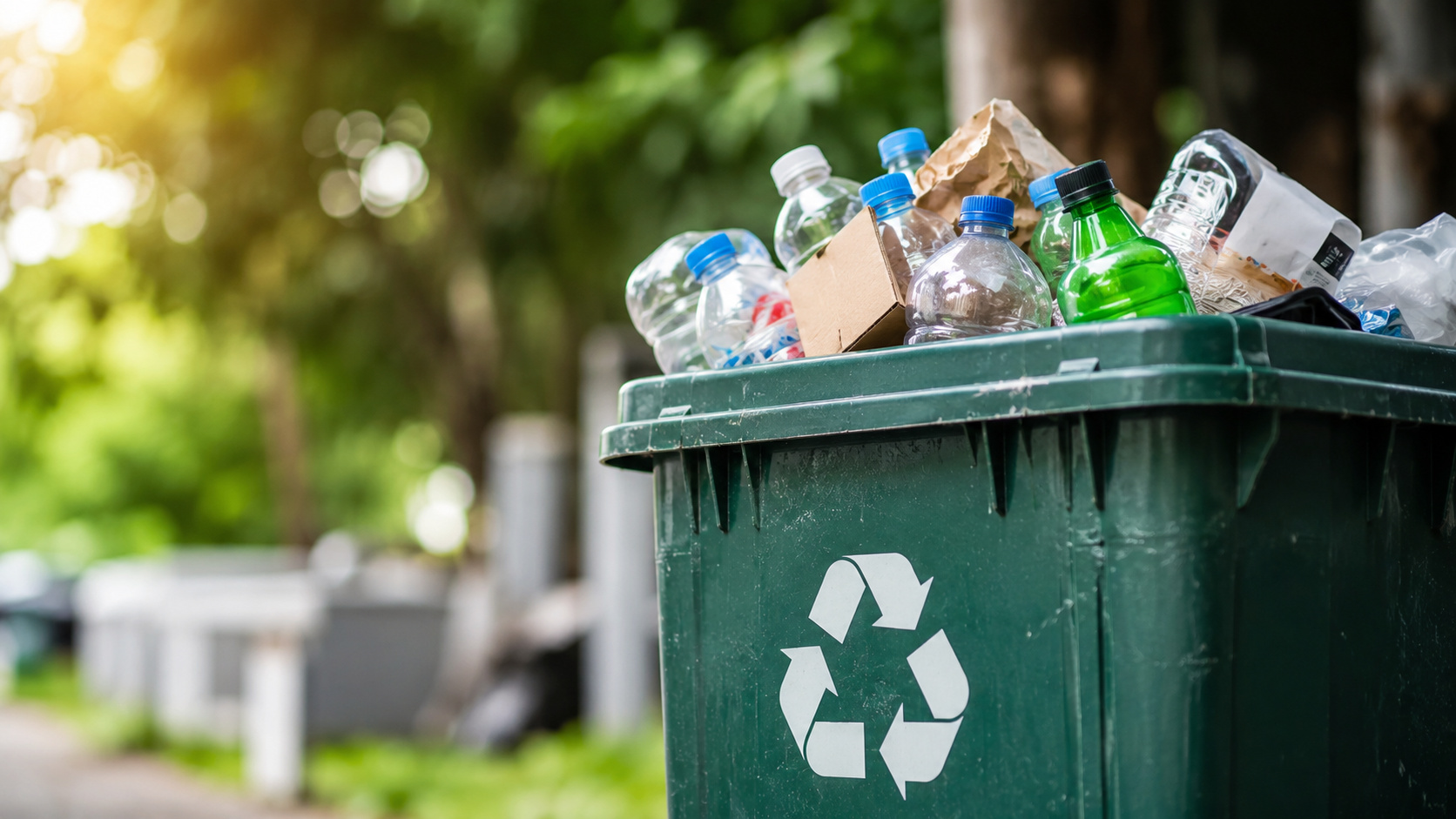

The accumulation exposed the limitations of local recycling, dependent on external transportation and processing, leading the Canadian to seek a construction alternative with lower impact, capable of reuse without additional disposal.
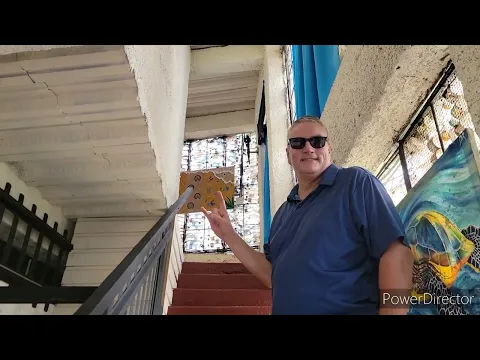

This search resulted in the Castillo Inspiración, recognized by the Guinness World Records as the largest castle ever built with plastic bottles, standing 14 meters tall, with four floors and a structure that combines concrete, steel, and insulation with bottles.
The transparent layers of plastic create visual effects similar to stained glass, while the structural composition ensures stability and thermal comfort, demonstrating the use of bottles as a functional element and not just decorative.
The castle features guest rooms, common areas, and an observation deck on top, also serving as an educational space about waste disposal and upcycling, a practice that repurposes materials without changing their composition.
With the project’s impact, the initiative has expanded to the Plastic Bottle Village, a set of buildings that uses bottles as thermal insulation before the external concrete, incorporating around 200,000 units by 2022.

The construction also received a dungeon of 139 m² and 3.7 meters tall, made with 10,000 bottles, a space that accommodates six rooms for visitors interested in experiences related to conscious consumption.
The work earned Robert the Energy Globe Award, an international sustainability award, reinforcing the recognition of the model as a viable alternative for construction and waste repurposing in the Caribbean region.
In addition to reducing the use of discarded plastic, the project advocates for changes in packaging design and encourages the use of waste as raw material for buildings, furniture, and small structures, maintaining continuous educational actions since its creation.
With information from Casa e Jardim.


