Portuguese
  Spanish


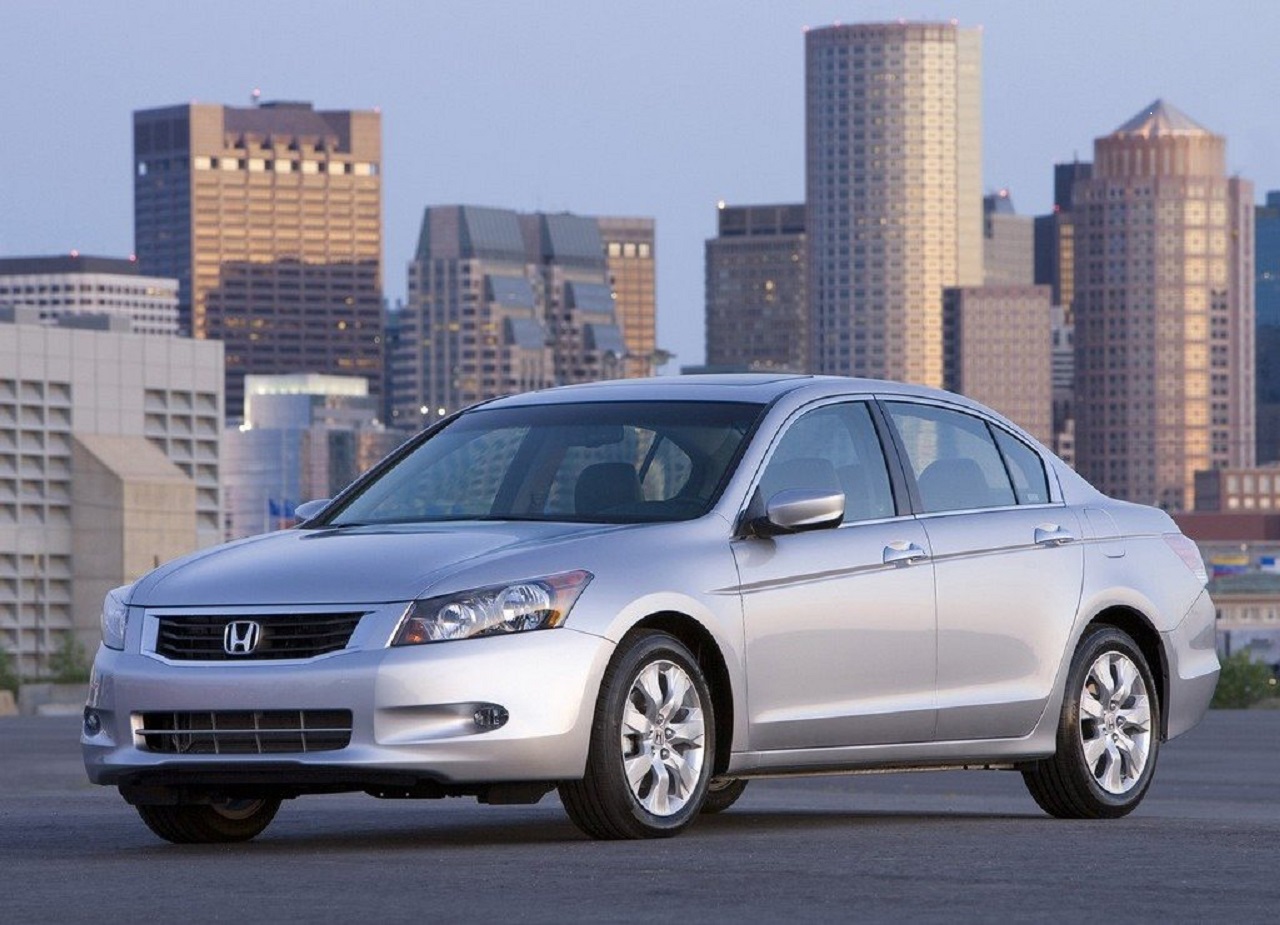

Honda Accord 2.0 Was Ignored When New, But Became a Safe Bet in the Used Market by Combining Reliable Naturally Aspirated Engine, Durable Automatic Transmission, and High Comfort.
When it was sold in Brazil, the Honda Accord 2.0 never managed to compete in volume with more popular rivals. High price, discreet design, and overly mature proposal kept the average consumer away, who sought status or sportiness.
Over the years, this same proposal became an advantage. In the used market, the Accord 2.0 began to be seen as a sedan with low mechanical risk, comfortable and with a technical set that aged better than many more modern competitors.
Why the Honda Accord 2.0 Did Not Sell in Brazil
The Accord has always been a car designed for more mature markets. It delivered engineering, comfort, and refinement, but little emotional appeal for Brazilian showrooms dominated by Corolla and Civic.
-
Thinking of Installing LED Headlights? Why Replacing Halogen Bulbs is Still Banned, the Glare Risks Authorities Worry About, and How a New Proposal Could Allow Certified, Safe Installations

-
2027 Toyota Corolla Cross Unveiled: New Design, Enhanced Fuel Efficiency, Reduced Maintenance Costs, Advanced Technology, Connected Services, and Up to 10-Year Warranty

-
Fiat Cronos Precision 2018: Affordable Sedan with Spacious Trunk and Reliable Maintenance
-
Volkswagen to Cut Production by 1 Million Cars by 2030, Reducing Jobs and Platforms, Focusing on More Profitable Models







Additionally, the high price when new kept away those who compared only technical specifications or external size. The result was a model respected, but rarely bought, that exited the stage quietly.
Global Project and Conservative Engineering
The Accord 2.0 is the result of a global project, developed to run in demanding markets like the United States, Japan, and Europe. This means solid structure, good acoustic insulation, and focus on durability, not on trends.
Honda adopted a clear philosophy for the model: mechanical tolerance over risky innovation. That is exactly what explains why the car has aged so well.
2.0 Naturally Aspirated Engine: Simplicity That Sustains Longevity
The big differential of the Accord is its 2.0 naturally aspirated engine, known for smooth operation, low failure rate, and prolonged lifespan. No turbo, no problematic direct injection, and no oil-bathed timing belt, the set prioritizes predictability.
This type of engine is known for running 300,000 to 400,000 km without the need for deep interventions, as long as it receives regular basic maintenance. It’s mechanics designed for the long term.
Reliable Automatic Transmission and Predictable Behavior
Another decisive point is the traditional automatic transmission with torque converter. The shifts are smooth, progressive, and well adjusted to the car’s profile, prioritizing comfort and durability.
There is no significant history of chronic failures in this set. For the used market, this represents lower financial risk and more predictable ownership costs.
Highway Comfort That Still Impresses
Even with the evolution of mid-size sedans, the Accord continues to deliver quiet driving, stability at high speeds, and great insulation. It is a car made for long trips, not just for urban use.
The interior space is generous, especially in the rear seat, and the suspension has been tuned to absorb irregularities without compromising stability. Here, comfort is not a promise, but a real characteristic.
Maintenance and Ownership Cost: More Rational Than It Seems
Despite its size and positioning, the Accord 2.0 is not a hard car to maintain. By sharing components with other Honda models, parts availability is good and maintenance follows a known standard.

It is not a popular car, but is far from being a financial burden, especially compared to European sedans from the same era. The cost is predictable, with no frequent surprises.
Why the Accord Became a Safe Bet in the Used Market
Today, the Accord 2.0 brings together a rare combination:
- Solid Global Project
- Durable Naturally Aspirated Engine
- Reliable Automatic Transmission
- Above-Average Comfort
Since it didn’t become a trend when new, the model did not suffer artificial price inflation. This opened space for those looking for real engineering at a lower cost than the car delivers.
Who Should Consider the Honda Accord 2.0 in 2025
The Accord is ideal for those seeking a comfortable, quiet, and reliable sedan, without interest in trends or sporty performance. It’s the choice for those intending to keep the same car for many years.
For this profile, it offers more mechanical tranquility than many newer and technologically more complex models.
Ignored at Launch, Valued Over Time
The Honda Accord 2.0 proves that some cars do not fail — they simply arrive in the wrong market, at the wrong time. Free from fragile solutions and focused on conservative engineering, it has aged with dignity.
In the used market, it has become a safe bet, not for fame, but for technical merit. In a landscape dominated by risky technology, the Accord remains an example that durability is still a design choice, not a marketing one.