Portuguese
  Spanish


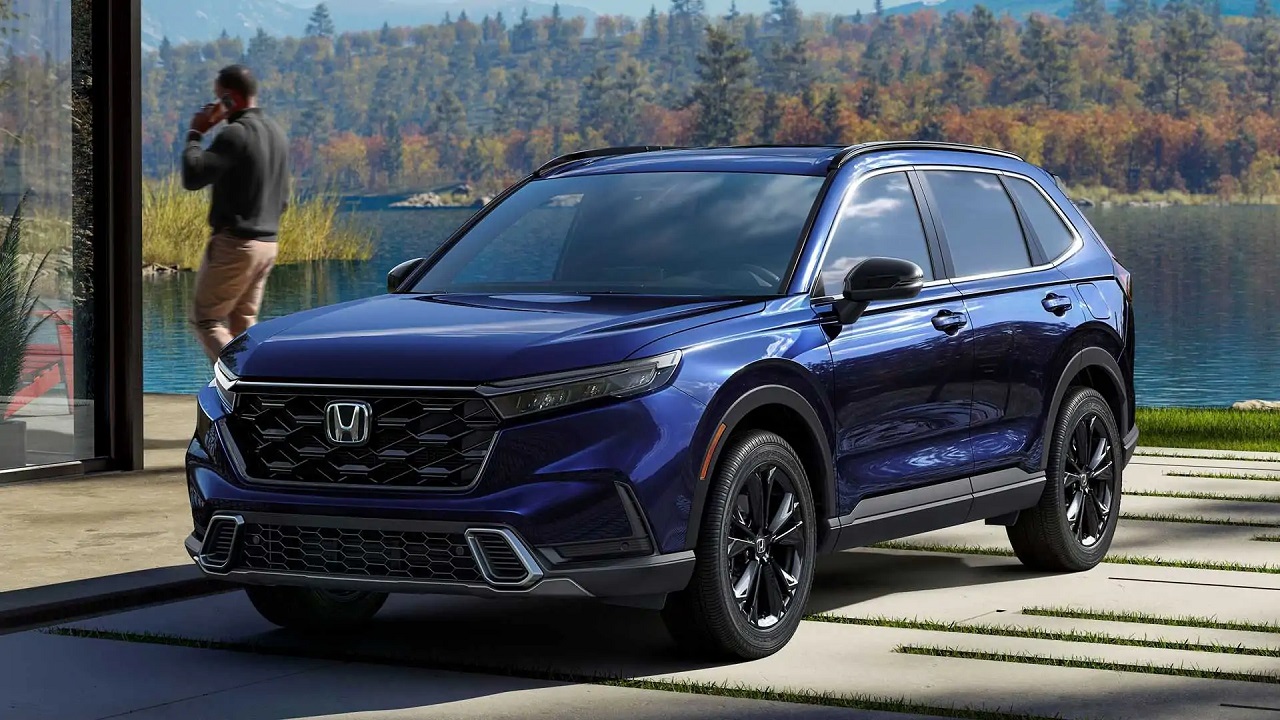

Honda, Like Toyota, Is Seeking An Alternative Path To Electric Cars And Announced Its New Hydrogen-Powered Hybrid SUV That Will Hit The Market In 2024.
The multinational Honda confirmed this week that it plans to advance with the mass production of a vehicle with fuel cell technology, which is a hydrogen-powered hybrid SUV. Production will take place at the company’s facility in Ohio, USA.
New Honda SUV Will Be Based On The New CR-V
Starting in 2024, the Performance Manufacturing Center in Marysville, Ohio, where low-volume special vehicles like the Acura NSX are manufactured, will also be responsible for producing a Fuel Cell Electric Vehicle (FCEV).
The hydrogen-powered model will be based on the new CR-V, recently launched in the North American market, with the distinction of offering two refueling options. The certified hydrogen tanks ensure greater range for long trips, and a plug-in system allows for a charger and battery for added convenience over shorter distances.
-
Sales of Brazil’s Cheapest Electric Car Halted Before First Deliveries: E-Motors Suspends Emova Easy Due to Import Tax Increase and Rising Freight Costs

-
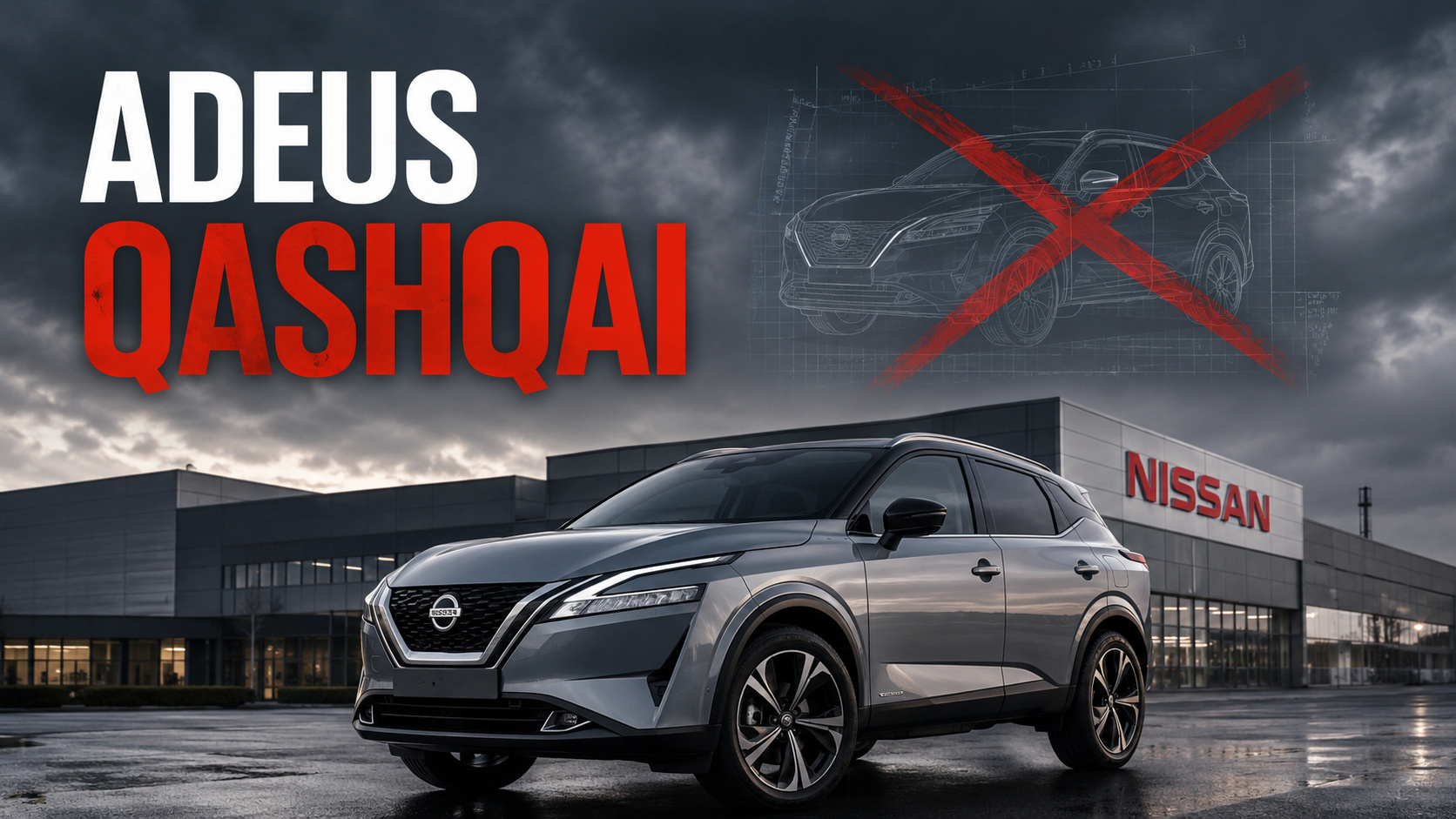
Nissan Discontinues Qashqai SUV Amid Cost-Cutting, Chinese Competition, and Product Line Review

-
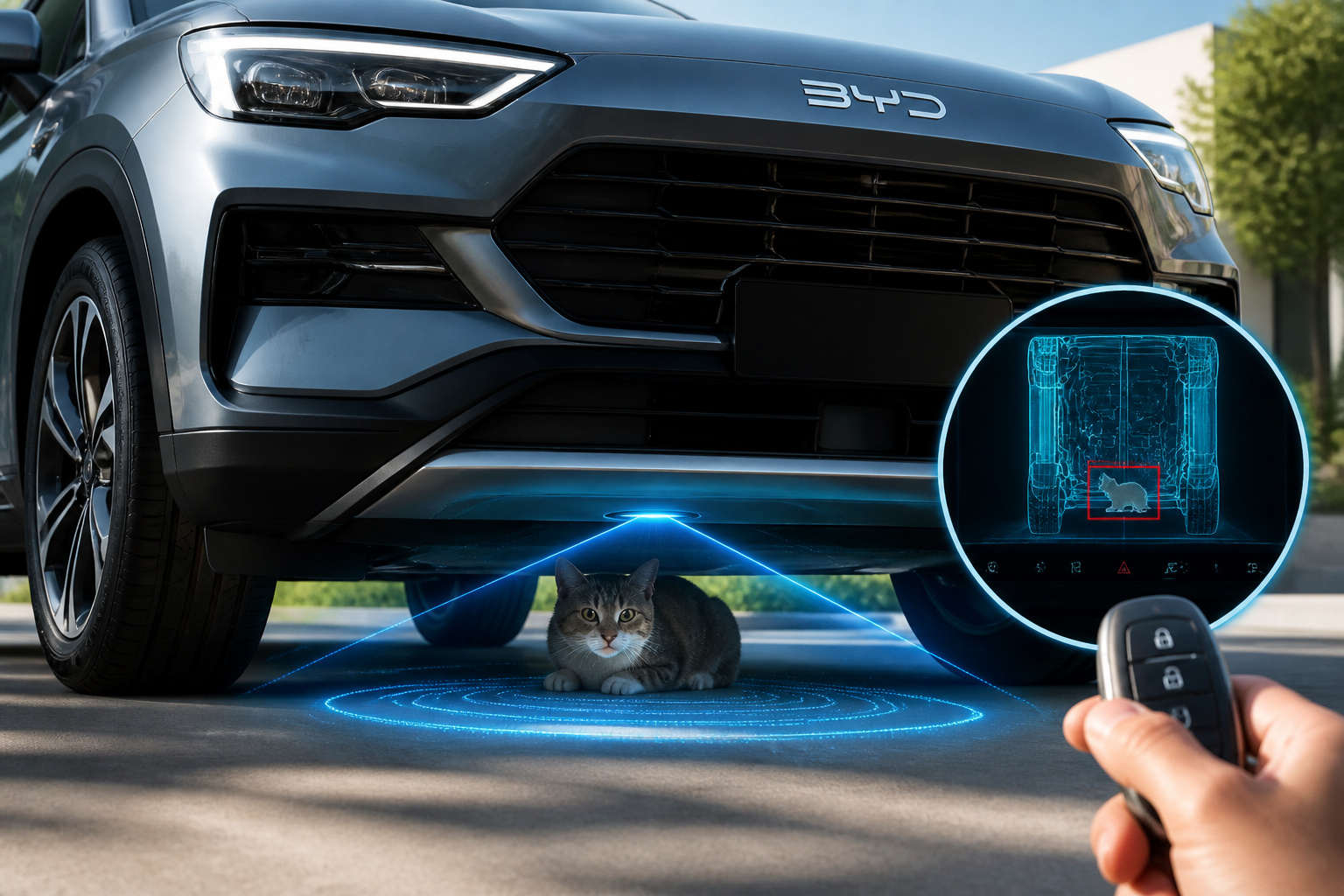
BYD Patents Revolutionary System Using Computer Vision to Detect Animals Under Cars Before Starting, Preventing Tragedies

-
Study Reveals Why Cars Are More Expensive to Produce and Buy in Brazil Compared to Mexico, Highlighting Taxes, Logistics, and Industrial Costs as Key Factors.


This model will be a hybrid that combines the advantages of an electric car with the typically long range of a vehicle equipped with fuel cell technology. Honda states that in 2024 it will provide more information about the model, and for now, it does not mention its introduction in Europe.
Honda Bets Again On The Hydrogen Market
The first-generation Honda Clarity was a pioneering project for the automaker in California but was somewhat expensive and limited, being leased to key customers and opinion leaders at the time. After a few years, the Clarity faded away, and then the second generation came, now as a car sold directly to consumers, still with limited commercial reach to a few U.S. states.
This model needed an all-electric propulsion variant to compensate for its performance in the American and Japanese markets. With confirmed presence for the country, the new generation of the Honda CR-V will have a hydrogen-powered version in 2024, continuing the legacy of the Clarity.
In this proposal of a hydrogen-powered hybrid SUV, Honda justifies that the price of lithium has risen so much that it has surpassed that of platinum used in fuel cells, making it more cost-effective to produce a hydrogen-powered vehicle than a pure electric one.
Like Toyota, Honda is well known for seeking a different path and also bets on hydrogen as a future fuel source to power its cars, although there are costs associated with this energy source. Currently, commercial vehicle manufacturers are the ones most focused on hydrogen as a good fuel, from compact vans like the Peugeot Expert to heavy-duty trucks.
Japanese Enters The Battery Swap Station Market
In addition to the hydrogen-powered SUV, the Japanese giant recently entered the battery swap station market focused on electric cars. The company now has the Honda Power Pack Exchanger, which is starting sales and commissions at home, with the delivery of the first unit to Gachaco, a consortium focused on battery swapping.
Soon, mass production of the infrastructure capable of charging multiple Honda Mobile Power Pack units simultaneously will begin, and multinational Honda promises easy and fast swapping for those who ride motorcycles or use other products compatible with its batteries.
The Japanese company states that it has developed a station with an exterior design that fits perfectly with the urban landscape and uses the Power Pack Cloud system to centrally manage all information required for a battery sharing service in the cloud.