






 Portuguese
  Spanish
  4 min of reading
  0 comments


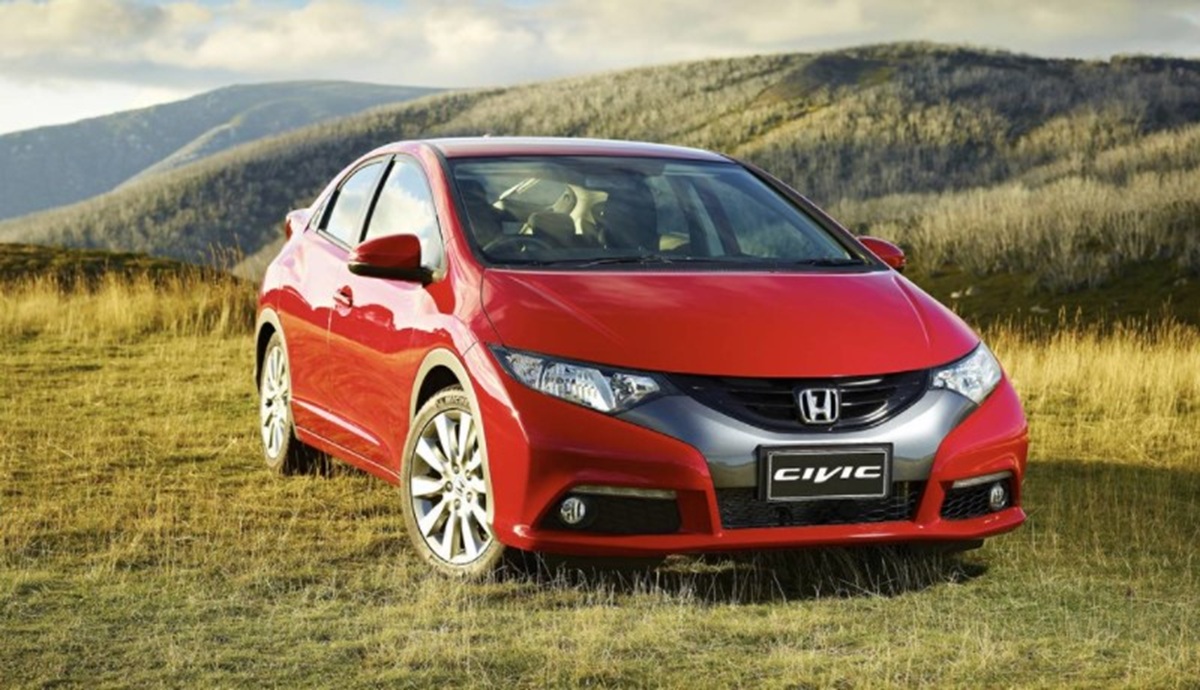
The Honda Civic G9 1.8 2012 Remains One of the Most Remembered Mid-Size Sedans by Brazilians. More than a Decade After Its Launch, the Model Still Sparks Curiosity for Its Balance Between Performance, Comfort, and Resale Value.
The ninth-generation Honda Civic, especially the LXS 1.8 Flex with manual transmission from 2012, still piques interest in the used car market.
Many buyers wonder about documentation costs, insurance, maintenance, fuel consumption, and equipment list.
There are also questions about the main positive and negative points of the model, along with comparisons to rivals in the same category.
-
Keeping your foot lightly on the brake pedal while driving may seem harmless, but mechanics warn: this habit generates constant heat, wears out the pads too quickly, and can warp the discs, making braking expensive and dangerous.

-
The YouTuber Mark McCann bought a Bugatti Veyron for almost $1.2 million, but discovered that the supercar’s gearbox is so damaged that even Bugatti itself won’t accept to repair it, and the repair could cost a fortune.

-
Thinking about buying a used HB20? See why the 2015 model is still a crowd favorite, with cheap parts, easy-to-fix mechanics, a strong engine, and quick sales.
-
Suzuki Fronx emerges as the “compact coupe SUV” that Brazil doesn’t have: priced around R$ 37,000 in a tax-free conversion, the model has a hybrid version, 1.0 turbo engine, bold design, and the price of a popular car in India.

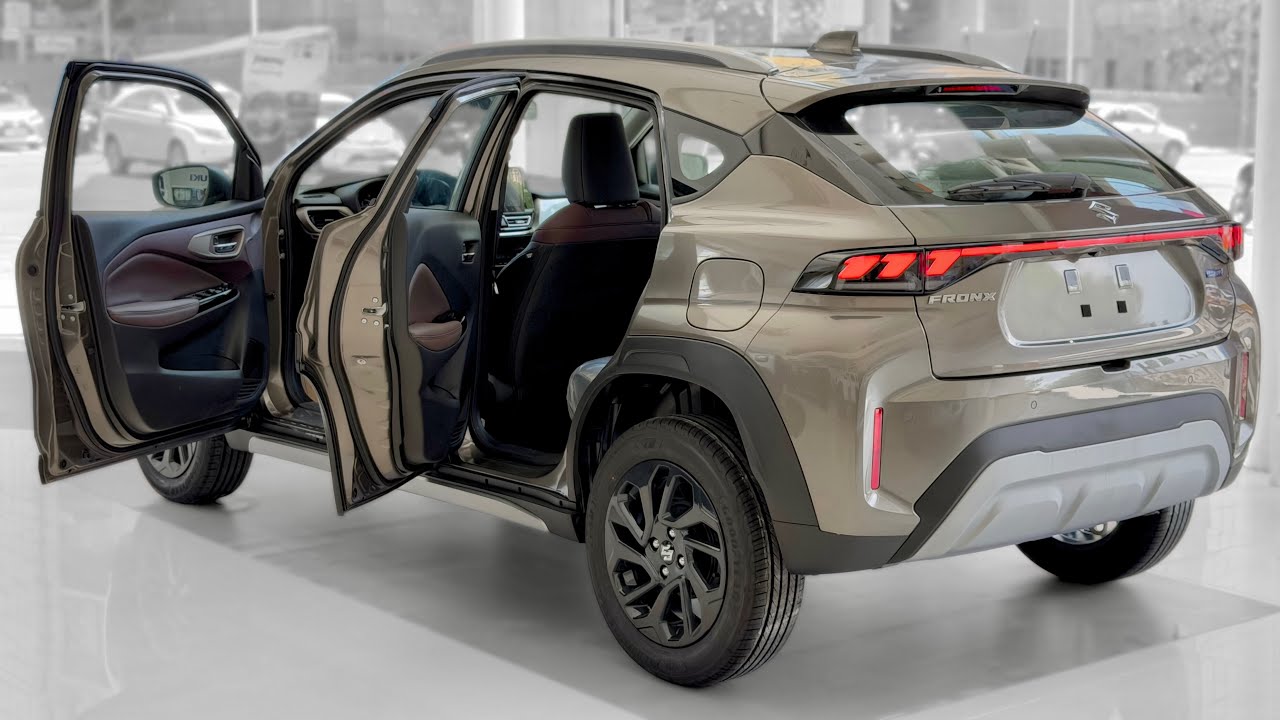
Based on values gathered in June 2025, the channel Auto-Papo Automotivo compiled the essential information for those thinking about bringing this car into their garage.
Initial and Bureaucratic Costs
The average private sale price according to the KBB table is R$ 53,656. The Fipe table places the Civic at R$ 57,627.
When purchasing the vehicle, the buyer needs to pay the transfer fee of R$ 271.20, in addition to the change for the Mercosul plates, averaging R$ 300.
Considering the Fipe price, the initial outlay, already with bureaucratic matters resolved, reaches R$ 58,198.20.
Annual Documentation
The IPVA in Minas Gerais represents 4% of the Fipe value, resulting in R$ 2,305.08. There is also the annual licensing fee of R$ 35.18.
Insurance is estimated at 5% of the table value, which amounts to R$ 2,881.35. This amount varies according to the driver’s profile and region.
Adding IPVA, licensing, and insurance, the average annual cost is R$ 4,944.94, or R$ 412.80 per month.
Price Variation in Recent Years
In June 2022, the same model was priced at R$ 56,797. The difference over three years results in an average annual inflation of R$ 276.67, or 0.49%.
In practice, the Civic appreciated by nearly 1.5%, an atypical outcome compared to other models that lost value.
Maintenance Costs
The basket of preventive parts reveals significant numbers.
- Front brake pads: R$ 230
- Front brake discs: R$ 397
- Spark plug kit: R$ 570
- Four tires: R$ 897 each
- Engine oil (4L): R$ 145
- Accessory belt: R$ 134
- Timing chain kit: R$ 571 (does not count in preventive calculation)
- Filters: engine R$ 66, oil R$ 20, fuel R$ 25, cabin R$ 30
- Shock absorbers: R$ 1,741
Summing the periodic replacement items, the total is R$ 5,255. This cost does not occur all at once, but over the vehicle’s usage time.
Consumption and Refueling
With a 57-liter tank, a full tank of gasoline, at an average price of R$ 6.22, costs R$ 354.54.
Official data shows urban consumption of 7.4 km/l on ethanol and 10.7 km/l on gasoline. On the highway, it is 9.5 km/l with ethanol and 13.4 km/l with gasoline.
The range with a full tank is up to 764 km on gasoline. Considering a travel of 1,000 km per month, in a mixed circuit, the average monthly expense is R$ 516.18. The cost per kilometer traveled is R$ 0.52.
Standard Equipment
The LXS version offers electric steering with height and depth adjustment, electric windows, locks, and mirrors, alarm, alloy wheels, digital air conditioning, onboard computer integrated with the rearview camera, cruise control, front airbags, ABS, three-point seat belts, and ISOFIX.
The sound system includes a CD player, USB input, and multifunction steering wheel, but lacks Bluetooth.
Mechanical Assembly
The 1.8 Flex engine delivers 139 hp on gasoline and 140 hp on ethanol, with torque of up to 17.7 kgfm. The transmission is a five-speed manual with short and precise shifts.
The Civic accelerates from 0 to 100 km/h in 10.2 seconds, with a weight-to-power ratio of 8.8 kg/hp.
The suspension is independent on all four wheels (McPherson in the front and multilink in the rear), ensuring exemplary stability. The brakes are disc on all four wheels, and the electric steering adjusts weight according to speed.
The trunk has a capacity of 449 liters and the rear seat folds down to increase capacity.
Positive Points
Among the main advantages are mechanical reliability, good fuel consumption, satisfactory performance, ample interior space, adequate trunk, excellent stability, and a sporty driving position.
Another point is the good resale value, even in the manual version, as there is demand among enthusiasts who appreciate sportiness.
Negative Points
Some details require attention. The engine uses mechanical tappets and needs valve adjustment every 40,000 km. The suspension is firmer and sacrifices comfort, plus there is more expensive rear maintenance.
The LXS version does not offer some comfort items, such as fog lights, leather seats, and engine temperature gauge.
Comparison with Rivals
In the same price range as the 2012 manual Civic (R$ 57,627 Fipe), there are interesting options.
- Hyundai Elantra 2012: R$ 57,264
- Renault Fluence Dynamique 2.0 2016: R$ 52,300
- Nissan Sentra S 2.0 2016: R$ 54,757
- Volkswagen Jetta 2.0 2012: R$ 53,973
- Chevrolet Cruze LT 1.8 2014: R$ 57,776
- Toyota Corolla GLi 1.8 2012: R$ 56,000
The Honda Civic G9 2012 LXS 1.8 manual remains a balanced mid-size sedan.
It offers reliable mechanics, honest performance, and a good list of equipment, although with some absences. Its maintenance costs are average, consumption is acceptable, and resale value remains strong.
For those looking for a used car rationally, the Civic can be a safe choice, provided the vehicle assessment is thorough and maintenance is up to date.






-

-

-

-

-

11 people reacted to this.