






 Portuguese
  Spanish
  4 min of reading
  0 comments


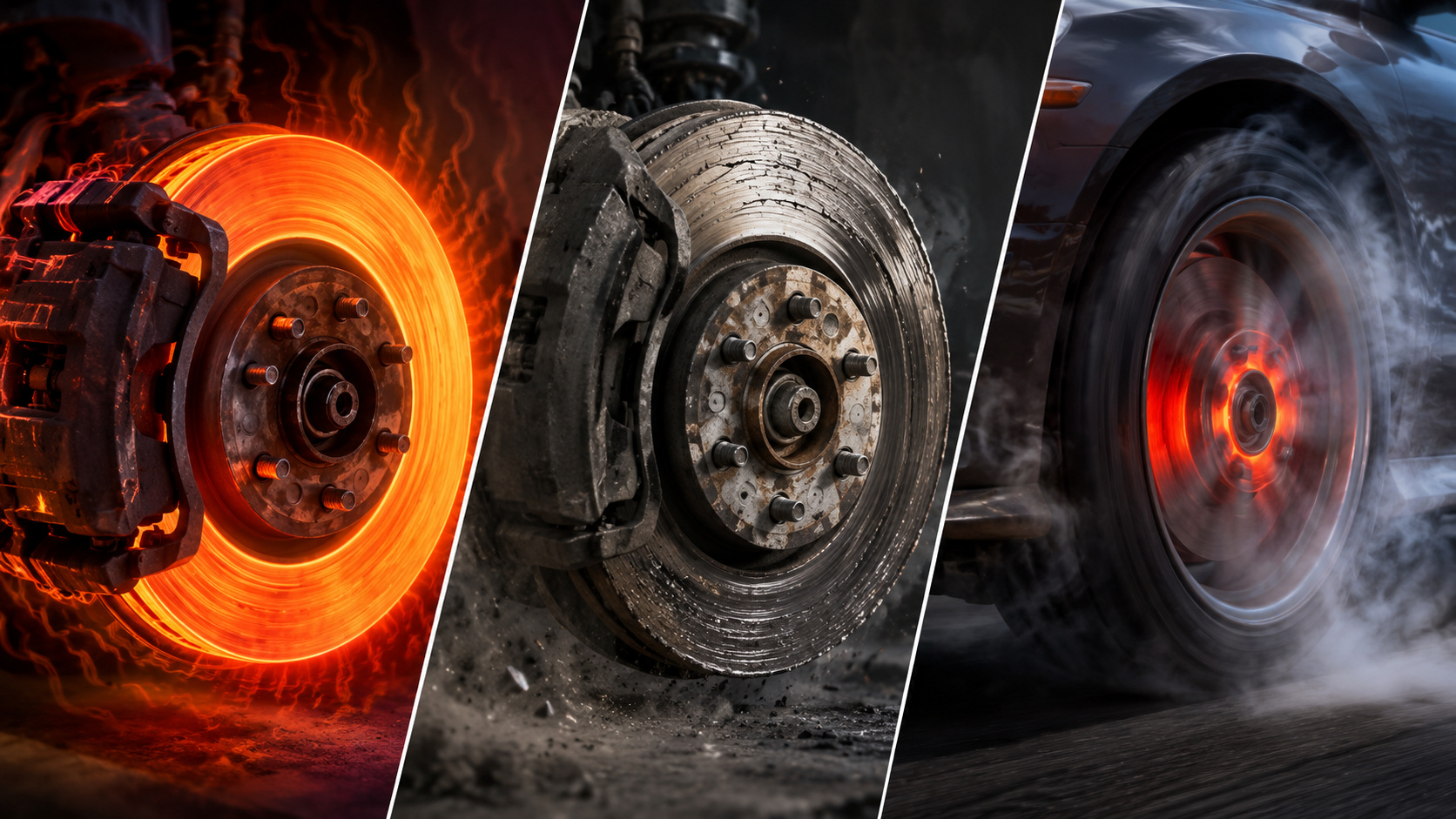
Keeping your foot on the brake heats the system, accelerates wear, and can cause brake fade, vibration, and loss of braking efficiency.
Keeping your foot on the brake pedal longer than necessary seems like a harmless gesture, but it can shorten the system’s lifespan and compromise braking. The practice, called riding the brakes in English, maintains unnecessary friction between components and promotes heat buildup, one of the main enemies of the brake system.
This excess temperature accelerates wear, can cause glazing of the pads, increase noise, generate vibration, and even reduce the car’s ability to stop efficiently in critical situations. On long descents, the risk increases even more, so much so that Ford itself advises using a lower gear to relieve the load on the brakes and avoid overheating.
How the brake system works and why heat becomes a problem
The disc brake works through the combined action of disc, caliper, pads, and fluid, components designed to work in balance and withstand thermal loads within a normal range.
-
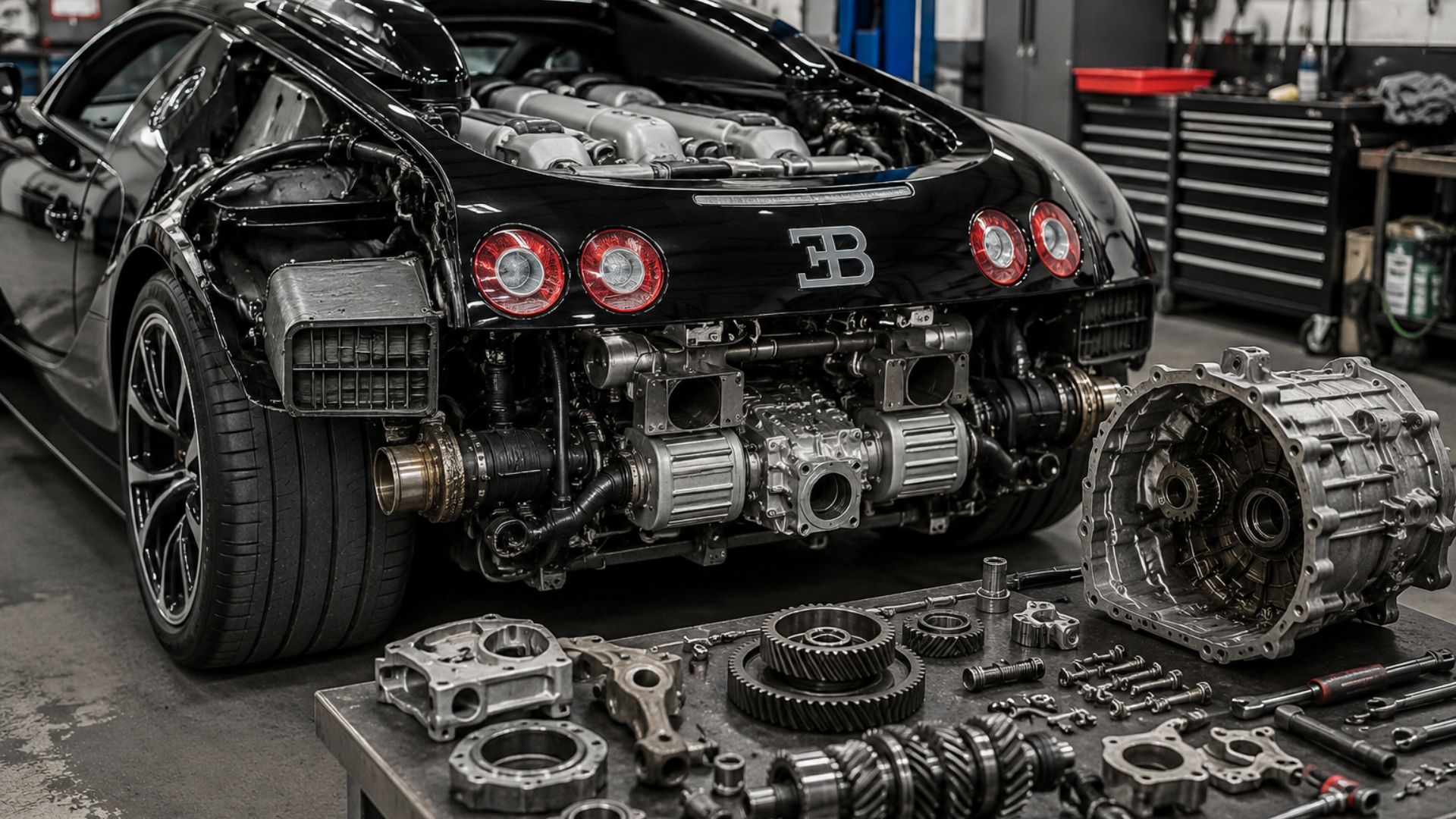
The YouTuber Mark McCann bought a Bugatti Veyron for almost $1.2 million, but discovered that the supercar’s gearbox is so damaged that even Bugatti itself won’t accept to repair it, and the repair could cost a fortune.

-
Thinking about buying a used HB20? See why the 2015 model is still a crowd favorite, with cheap parts, easy-to-fix mechanics, a strong engine, and quick sales.

-
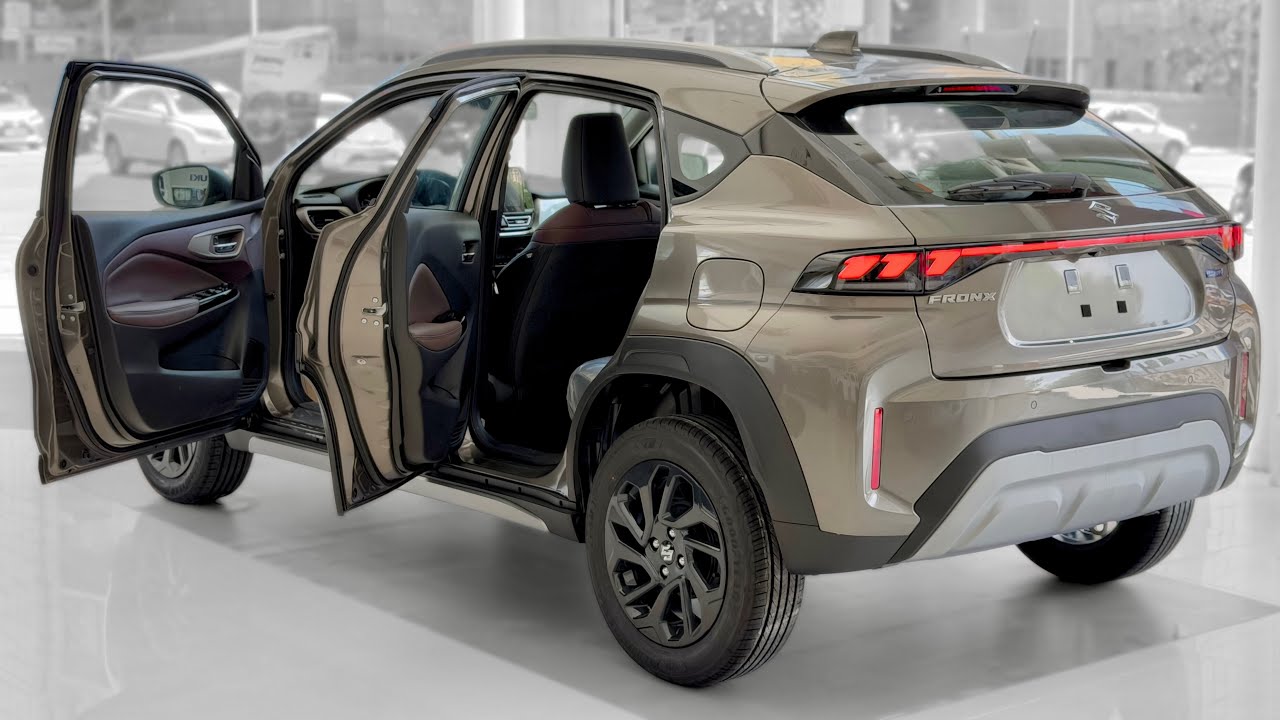
Suzuki Fronx emerges as the “compact coupe SUV” that Brazil doesn’t have: priced around R$ 37,000 in a tax-free conversion, the model has a hybrid version, 1.0 turbo engine, bold design, and the price of a popular car in India.

-
Not every car with a battery is truly electric; some hybrids never run solely on electric power, and since 2025, ABVE stopped counting mild hybrids as electrified, and these differences change everything when buying.


Bosch explains that disc, support, caliper, and pads need to work together to ensure efficiency, safety, durability, and comfort in braking.


The problem starts when the driver maintains constant contact with the pedal and makes the system work unnecessarily.
Firestone states that the excess friction generates so much heat that the pads can become glazed, losing part of their friction capacity and starting to emit squealing. Instead of the brake heating and cooling in normal cycles, it starts to work under continuous stress.
Excess heat can cause vibration, accelerated wear, and brake fade
When the temperature rises too much, the damage is not limited to the pads. Bosch highlights that discs with better thermal dissipation help reduce distortions and judder, a term used for vibration during braking. This helps to understand why excessive heat is directly linked to vibrations in the steering wheel and pedal when the set loses uniformity.
Firestone also warns that constant friction can heat the system to the point of causing brake fade, a phenomenon where braking loses efficiency, and can lead to warped or even cracked rotors in more severe scenarios. In practice, this means less response when the driver most needs to stop the car.
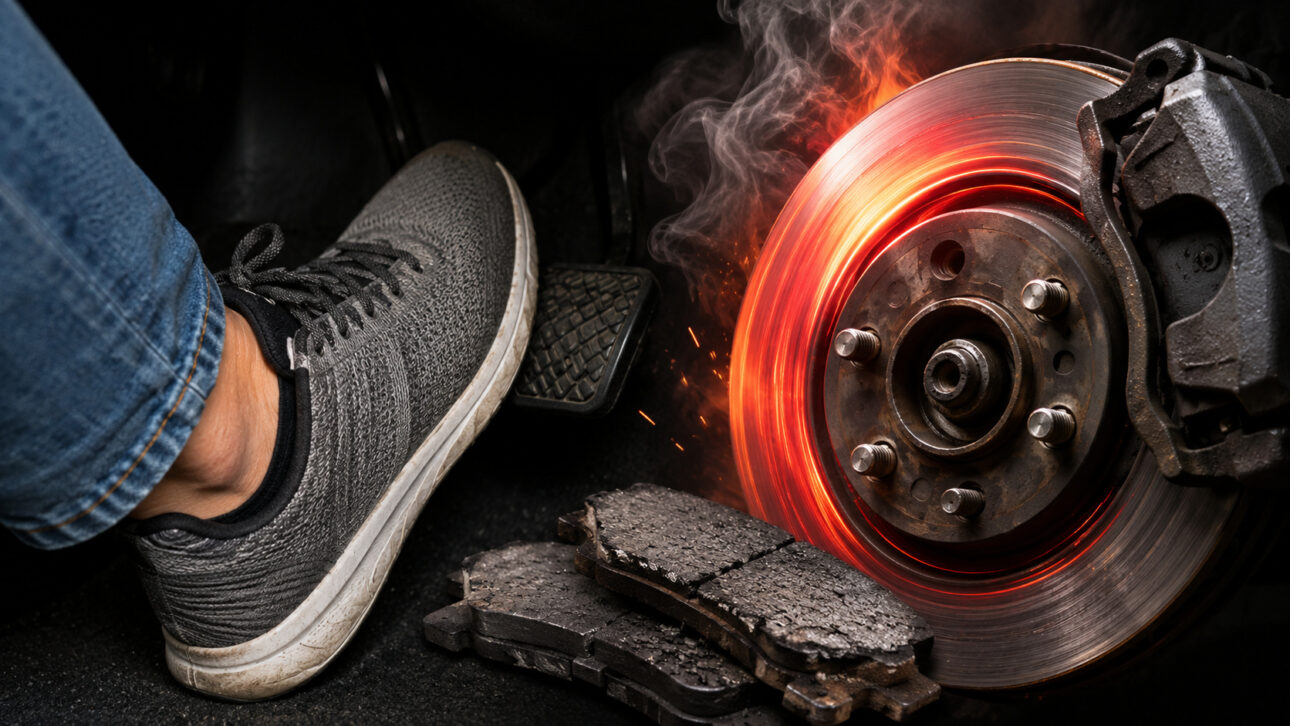
Another warning sign is noise. According to Firestone, overheated brakes can squeal, and the glazing of the pads tends to worsen this noise while reducing performance. When the pedal continues to be used dragged in traffic or on descents, the wear stops being normal and becomes premature.
Long descent requires engine braking to relieve load on the system
In mountain stretches and prolonged descents, the risk of overheating increases because the brake system remains demanded for longer. In the manual of the Ford Everest, the manufacturer advises selecting a lower gear in situations of prolonged descent on steep inclines to add engine braking and reduce the load on the brake system, avoiding overheating.
The same manual states that when the brakes are applied for a very long period, the system may even automatically interrupt certain assisted functions to allow cooling. This reinforces an important point: in continuous use, heat stops being a normal effect of braking and becomes a risk factor for safety and durability.
Simple habit while driving helps preserve discs, pads, and safety
The simplest way to protect the system is to completely remove the foot from the pedal when there is no need to brake.
Firestone points out that riding the brakes is among the causes of glazed and overheated brakes, two problems that shorten the lifespan of the parts and reduce the efficiency of the set.
More anticipatory driving, greater distance from the vehicle in front, and correct use of engine braking on descents help reduce thermal stress on discs and pads.
When persistent squeaking, vibration when braking, or a feeling of loss of response arise, it is ideal to seek mechanical inspection quickly, because the wear may have already gone beyond the normal pattern and reached a central safety item of the car.







Be the first to react!