






 Portuguese
  Spanish
  4 min of reading
  0 comments


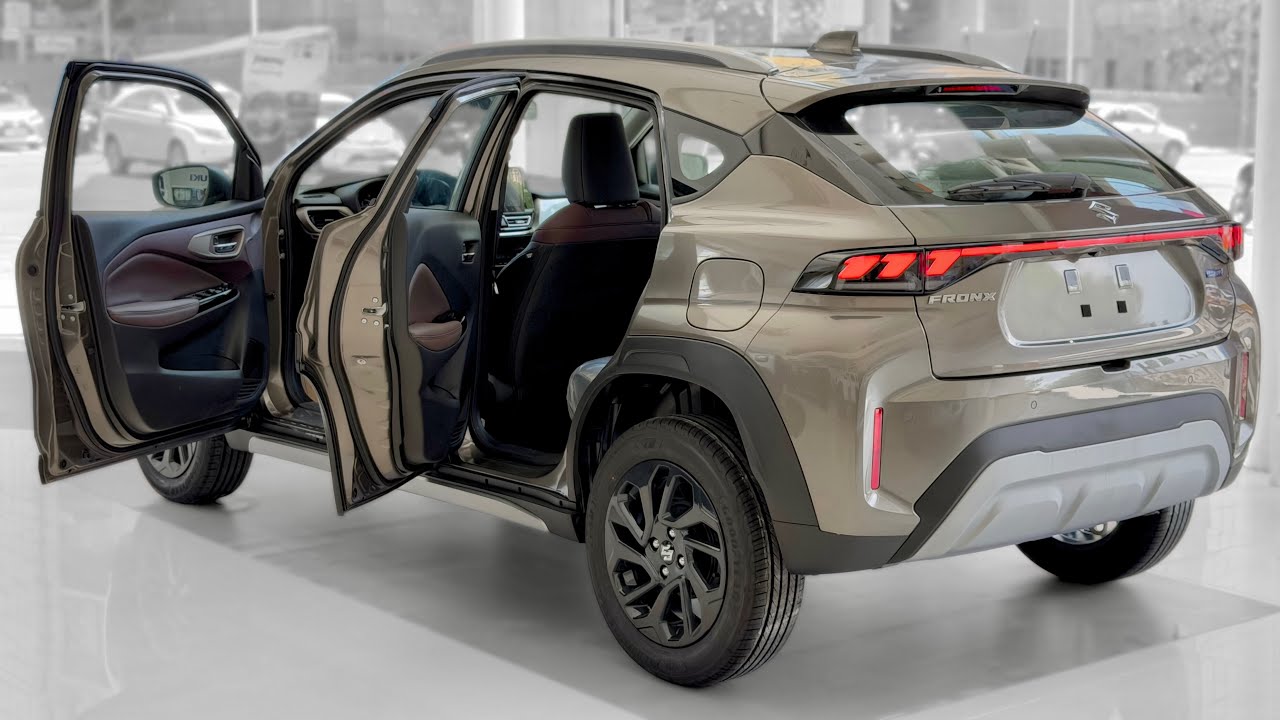
In a time when compact SUVs have become increasingly expensive in various markets, Suzuki found a formula that mixes modern looks, mild hybrid technology, and competitive pricing. The result was the Fronx, a model initially launched in India that quickly became one of the brand’s most important vehicles.
Produced by Maruti Suzuki, India’s largest car manufacturer, the Fronx combines elements of a hatchback, crossover, and coupe SUV in a vehicle under four meters long, taking advantage of tax benefits in the Indian market. According to NEXA, Maruti Suzuki’s premium network, the model starts at ₹ 6.85 lakh, equivalent to approximately R$ 37,500 in direct conversion. The conversion does not include taxes, shipping, homologation, importation, or commercialization costs in Brazil.
Suzuki created a compact coupe SUV to compete in one of the most competitive markets on the planet
The Fronx was first presented during the India Auto Expo in 2023. The project was born on the Heartect platform, also used by the Suzuki Baleno, but received its own body inspired by the brand’s larger SUVs.
-
Not every car with a battery is truly electric; some hybrids never run solely on electric power, and since 2025, ABVE stopped counting mild hybrids as electrified, and these differences change everything when buying.

-
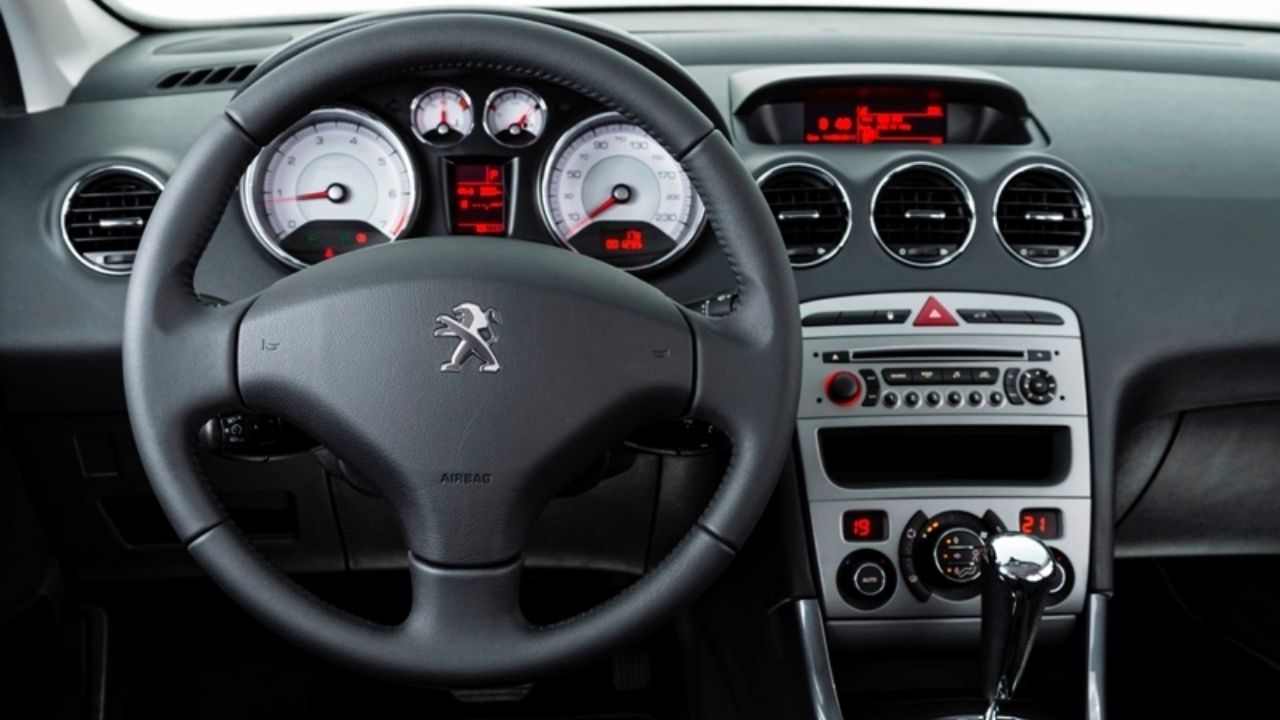
Peugeot 408 Griffe 2015 combines a turbo engine, 0 to 100 km/h in 8.3 seconds, a 526-liter trunk larger than many compact SUVs, leather, multimedia, cruise control, and a sunroof, but it remains off the radar among fully equipped used cars.

-
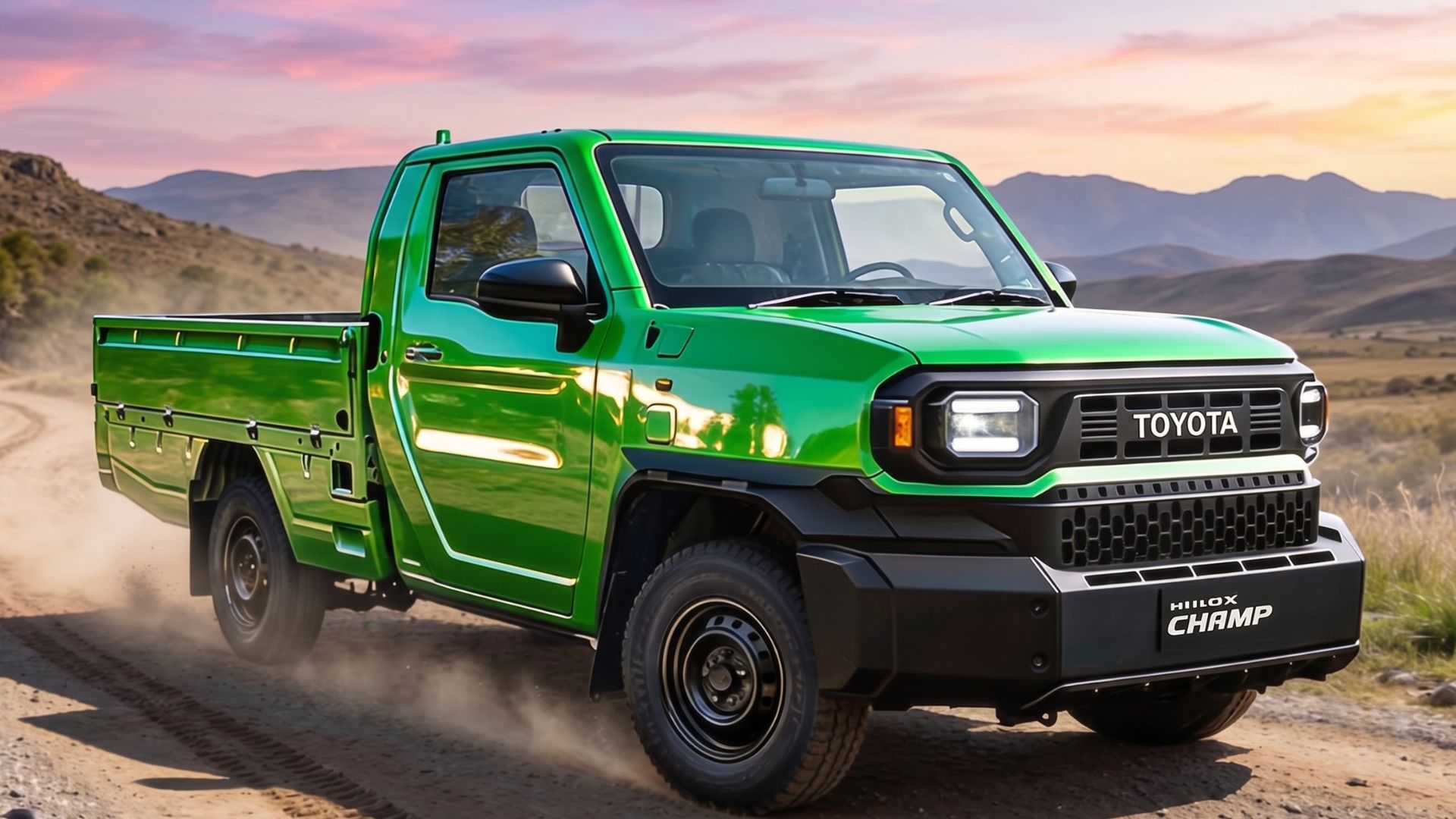
Toyota Hilux Champ emerges as the “mini-work Hilux” that Brazil doesn’t have: for around R$ 81,7 thousand in conversion without taxes, the pickup has a modular chassis, single cab, 2 seats, 2.4 diesel engine, and a popular car price to become a tool for construction, cargo, and small business in Thailand.
-
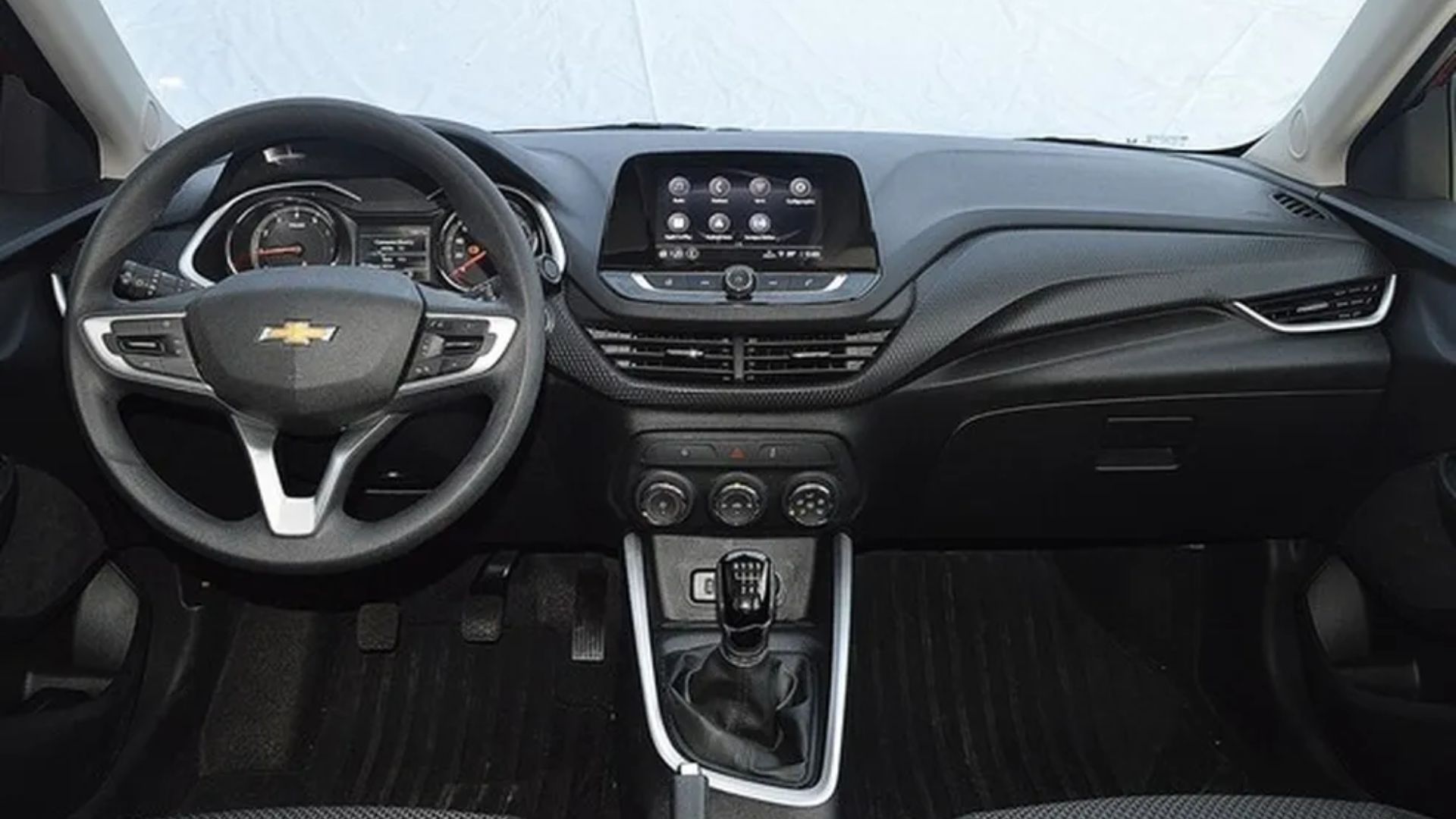
Chevrolet Onix leads the efficiency ranking among flex-fuel cars by Inmetro, achieves almost 18 km/l, and costs less than R$ 100,000.

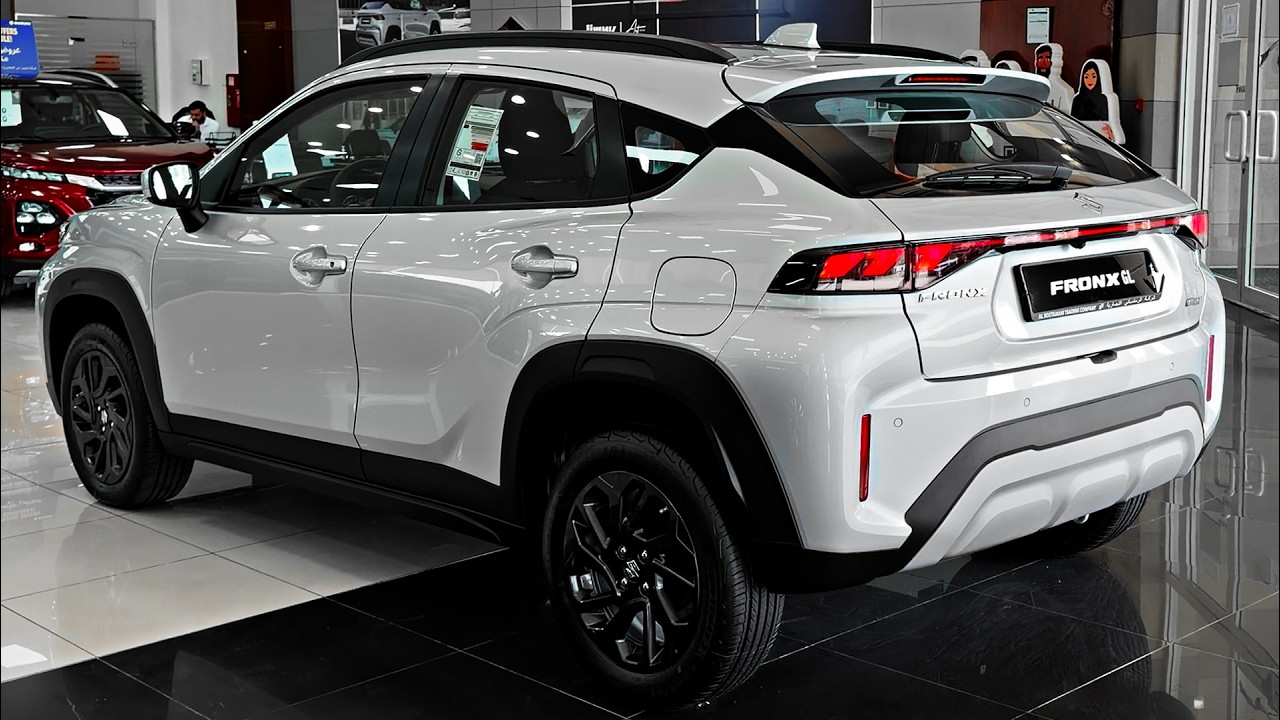
Suzuki’s goal was to create a vehicle that offered a robust appearance without abandoning efficiency and low operational cost. To achieve this, engineers adopted a sloping roofline, elevated front, and visual elements usually found in more expensive sport utility vehicles.
The result was a model that occupies a very popular category in Asia: urban compact crossovers, which combine reduced dimensions and an adventurous appearance.
100-horsepower turbo engine and mild hybrid system are among the model’s highlights
In the more sophisticated versions, the Fronx uses the 1.0 Turbo Boosterjet engine of 998 cm³, associated with Suzuki’s Smart Hybrid system.
According to official data from Maruti Suzuki, the set delivers approximately 100 horsepower and 147.6 Nm of torque, numbers sufficient for a vehicle that weighs just over a ton.


The mild hybrid system uses an integrated generator and auxiliary lithium-ion battery to reduce fuel consumption and assist the engine in certain driving situations. Unlike a conventional hybrid, the vehicle does not move solely on electricity.
According to the official NEXA catalog, the Fronx Turbo Smart Hybrid accelerates from 0 to 60 km/h in 5.3 seconds, a number highlighted by the manufacturer itself as one of the model’s differentiators.
Compact dimensions hide an interior designed for families
Despite the SUV look, the Fronx was designed to meet Indian tax rules that favor vehicles under four meters in length.
According to Maruti Suzuki’s official specifications, the model has 3,995 mm in length, 1,765 mm in width, 1,550 mm in height, and 2,520 mm in wheelbase. The trunk offers 308 liters of capacity.
These measurements place the Fronx close to urban compact SUVs sold in various markets, but with smaller external dimensions than many models currently marketed in Brazil.
High consumption is one of Fronx’s strongest arguments
Energy efficiency is one of Suzuki’s priorities for the model. According to data released by the manufacturer and reproduced by specialized vehicles in the Indian market, versions equipped with the 1.2 aspirated engine can register homologated consumption close to 21.79 km/l, while CNG versions achieve even higher numbers.
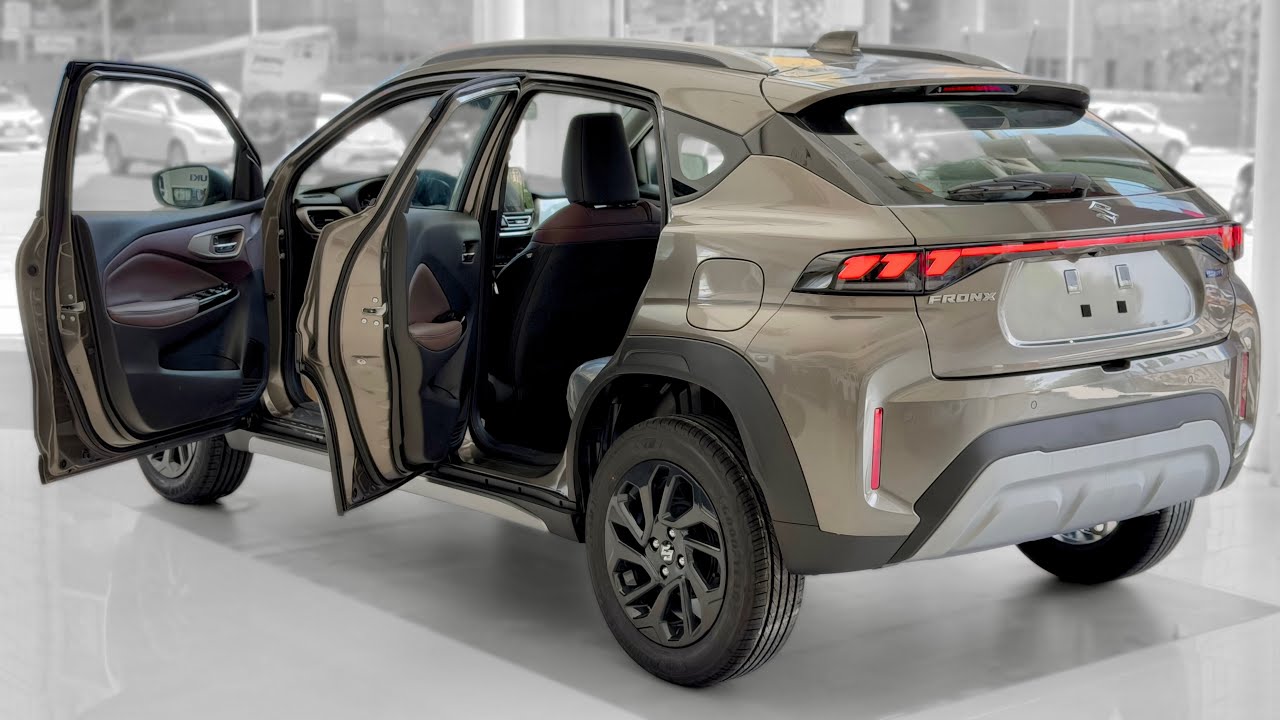
Meanwhile, the Turbo Smart Hybrid versions use the mild hybrid system to reduce energy losses during accelerations and recoveries, helping to improve the overall efficiency of the set. The main differentiator of the model remains its market positioning.
According to NEXA, the Fronx is sold in India for values between ₹ 6.85 lakh and ₹ 11.98 lakh, depending on the engine and equipment chosen. This represents approximately between R$ 37,500 and R$ 65,500 in direct conversion.
In many markets, similar values are insufficient to acquire even basic compact vehicles, which helps explain the international attention the model has been receiving.
Suzuki turned the Fronx into a global product
The initial success in India led Suzuki to expand the presence of the Fronx to other markets. Currently, the model is already sold or produced in countries such as Indonesia, Japan, Mexico, Thailand, South Africa, Pakistan, and the Philippines. In some regions, it also gave rise to versions marketed by Toyota under other names.
This expansion shows that the strategy of combining competitive pricing, modern design, and energy efficiency found space far beyond the Indian market.
Technical specifications of the Suzuki Fronx Turbo Smart Hybrid
| Item | Specification |
|---|---|
| Engine | 1.0 Turbo Boosterjet |
| Displacement | 998 cm³ |
| Power | 100 hp |
| Torque | 147.6 Nm |
| Hybrid system | Mild Hybrid (Smart Hybrid) |
| Transmission | 5-speed manual or 6-speed automatic |
| Drive | Front |
| Length | 3,995 mm |
| Width | 1,765 mm |
| Height | 1,550 mm |
| Wheelbase | 2,520 mm |
| Trunk | 308 liters |
| Seats | 5 |
| Starting price in India | About R$ 37,500 |
While many manufacturers focus their investments on increasingly larger and more expensive SUVs, Suzuki bet on a different solution.

The Fronx combines modern design, efficient engine, light hybrid system, and competitive pricing in a package that fits in congested urban centers.
The success of the model raises an interesting question: is there room for such vehicles in markets where compact SUVs have become increasingly expensive?









Be the first to react!