






 Portuguese
  Spanish
  4 min of reading
  2 comments


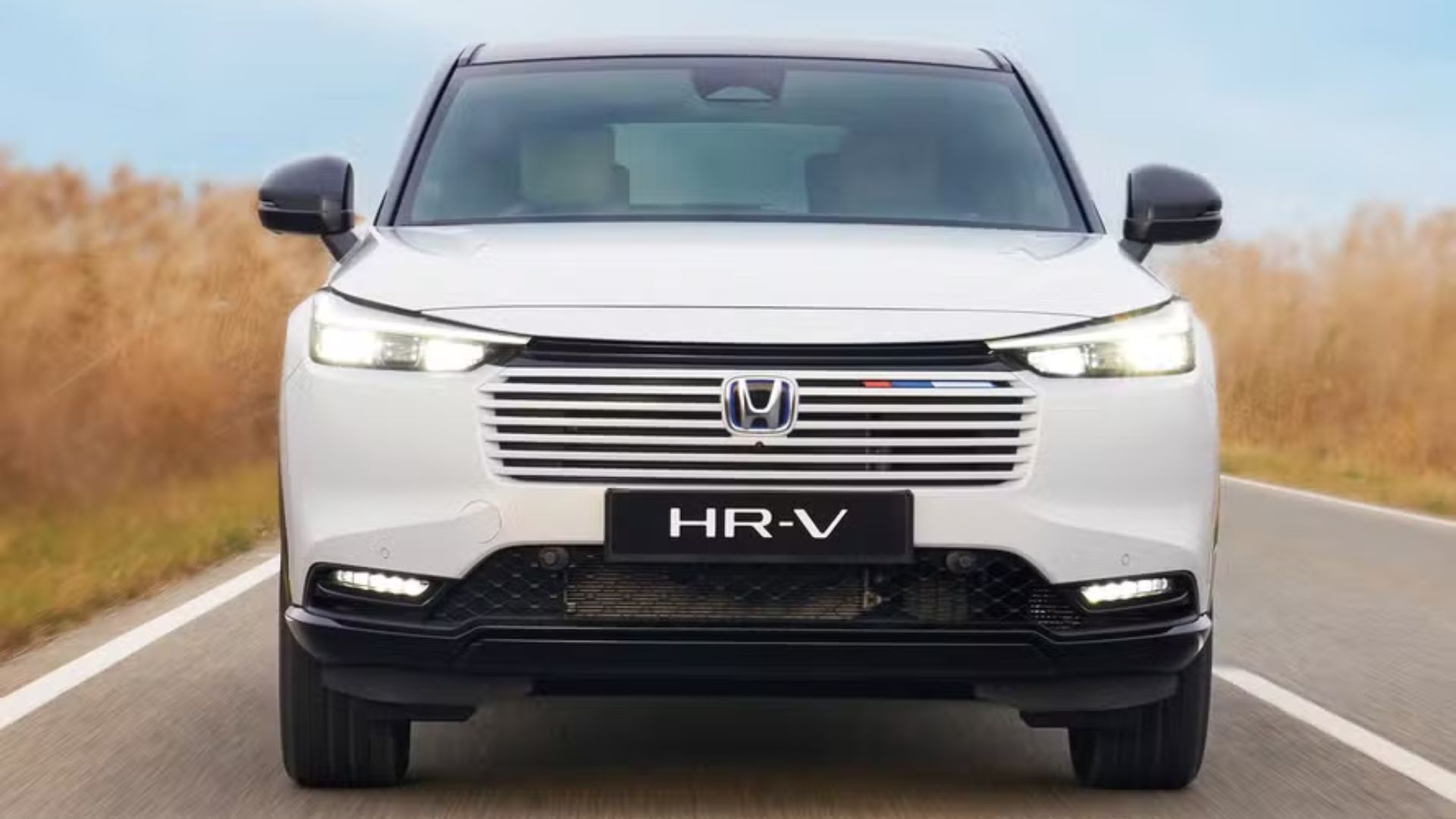


Honda Prepares National Production of HR-V Hybrid-Flex with e:HEV Technology and Billion-Dollar Investment in Itirapina (SP), Marking the Start of the Brand’s Flex Electrification in Brazil.
Honda has announced that it will produce a next-generation hybrid-flex system in Brazil, developed to meet the national market.
The HR-V will be the brand’s first model to receive the technology, in its third generation, expected in 2028.
The system combines a 1.5 combustion engine with two electric motors, following the e:HEV concept, already used by the automaker in other countries.
-
Uber Faces Shareholder Scrutiny as Board Accused of Ignoring Safety, Compliance, and Harassment Warnings Amid Over 3,500 U.S. Lawsuits

-
Ferrari’s First Electric Car Divides Fans, Priced at $630,000, Amid Concerns Over Limited Editions; Brand Clarifies It’s Not Just for Future Perks
-
BYD Dolphin Mini: The Electric Car That Defies Depreciation, Losing Only 3.58% in a Year and Becoming the Best-Selling Retail Model Under $22,000

-
Electric Car JAC E-JS4 Loses $19,000 in Value in One Year, Leading Record Depreciation of Used Cars in Brazil Due to Expensive Battery and New Models


The project is part of a R$ 4.2 billion investment aimed at expanding the Itirapina (SP) factory and developing hybrid technologies.
According to the company, the investment covers the creation of a locally produced hybrid system that can operate on gasoline and ethanol.
Industry sources informed the magazine Auto Esporte that the HR-V will be the debut model of this configuration, designed to offer greater energy efficiency and reduced emissions, without the need for electric recharging.
New Honda Hybrid-Flex System
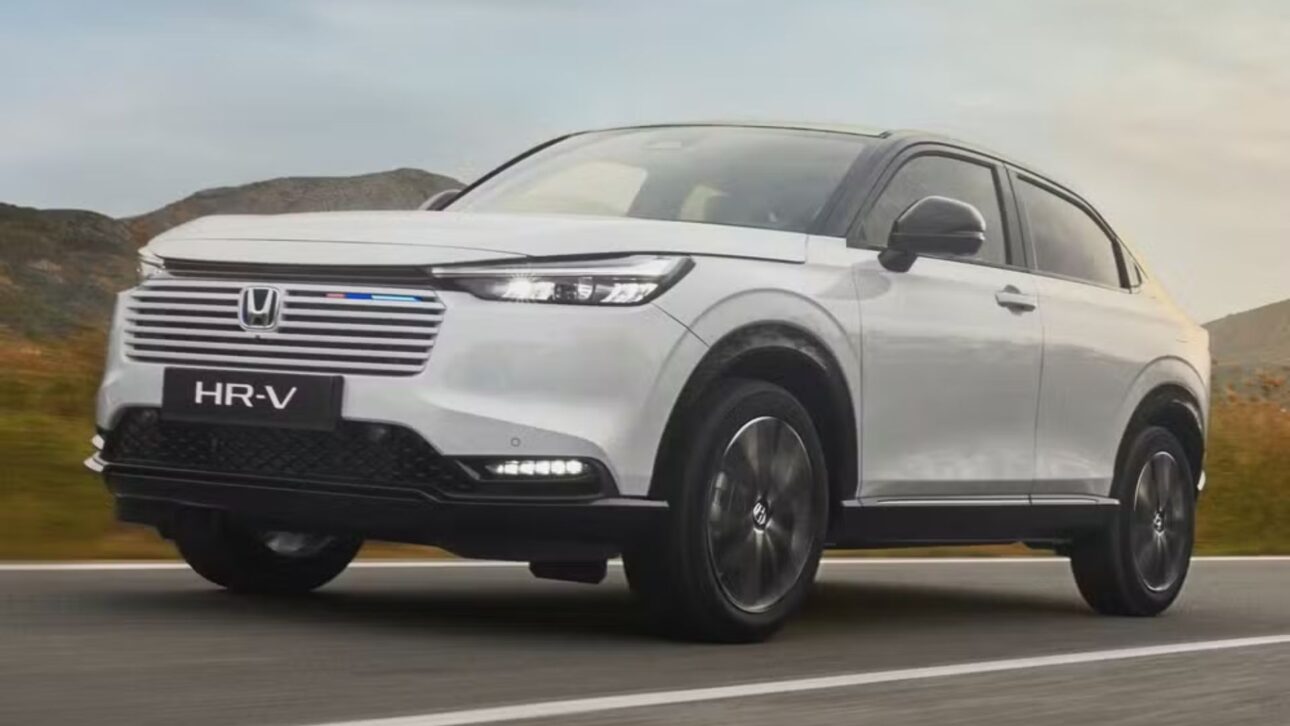
The system will comprise a 1.5 four-cylinder engine, with direct injection and Atkinson cycle, a technology used to improve fuel efficiency.
This engine will work alongside two electric motors: one generator and another responsible for traction.
The system uses a battery of about 1.1 kWh and a voltage higher than 60 V, which stores the generated energy and powers the traction motor.
According to data from similar projects by Honda in Asia and Europe, the combustion engine delivers 98 hp, and the electric motor 109 hp.
Together, the system can achieve 131 hp and 25.8 kgfm of torque, according to international specifications.
The average fuel consumption reported by these models reaches 18.5 km/l in tests conducted under the European WLTP standard.
Honda has not yet confirmed the official numbers for Brazil.
Performance and Operation of the e:HEV System
According to technical information from the brand, the combustion engine acts as a generator most of the time, sending energy to the batteries that drive the car.
At higher speeds, the engine connects directly to the differential, contributing to the traction.
This system, classified as full hybrid (HEV), does not require external charging and automatically switches between electric, hybrid, and combustion modes, depending on demand.
Engineers in the industry assert that this type of configuration tends to reduce fuel consumption in urban driving, when the vehicle operates more frequently in electric mode.
Experts also point out that the use of ethanol, a renewable fuel, could enhance the environmental benefits of the system in the Brazilian context if performance remains efficient.
Platform and Timeline of the New HR-V Hybrid-Flex
The new HR-V will be built on the GSC (Global Smart Car) platform, used by Honda in compact vehicles in emerging markets.
Production is scheduled to start in 2028, focusing on sourcing national components and expanding production capacity in Itirapina.
The announced investment also includes the introduction of the new WR-V, another compact SUV that will serve as a base for the future application of hybrid technologies.
Honda stated that the goal is to gradually electrify the range of vehicles produced in the country, maintaining the use of the flex system as a competitive differentiator in the local market.
How the e:HEV System Works
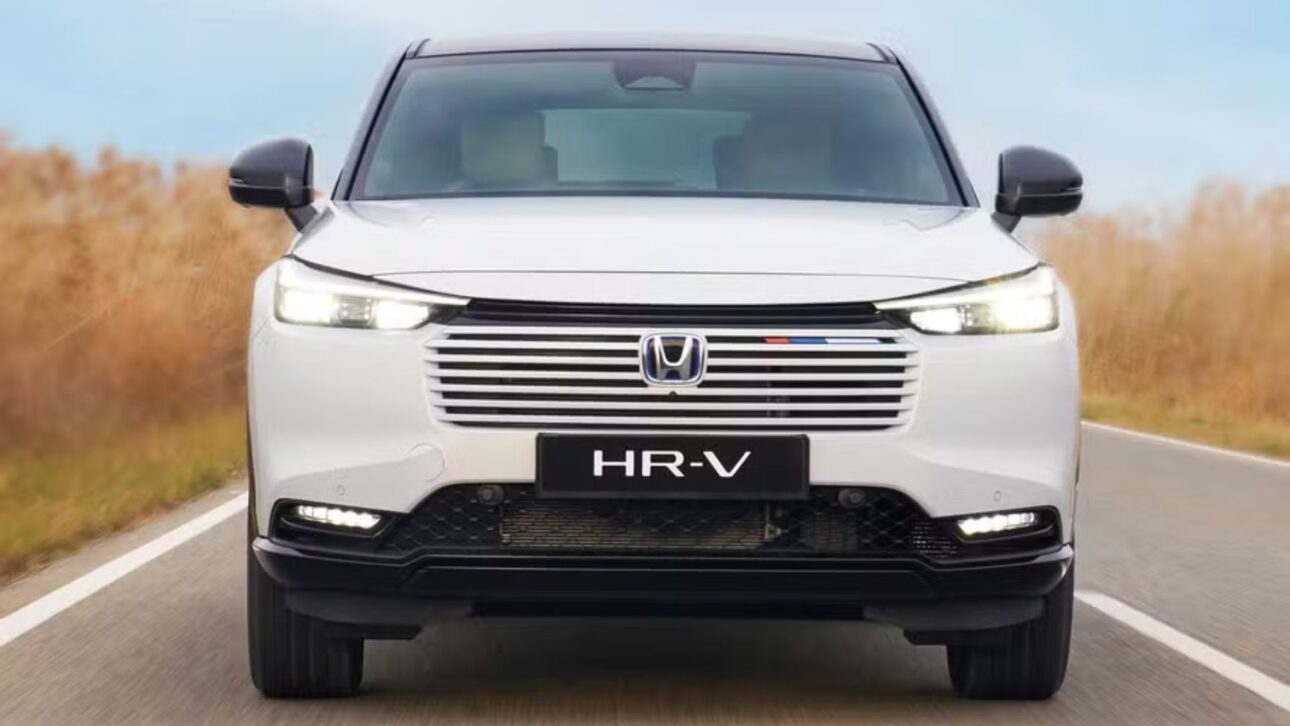
According to Honda, the operation of the e:HEV system adjusts automatically according to the type of driving.
At low speeds, the vehicle tends to operate in electric mode.
At high speeds, the combustion engine begins to participate directly in traction, reducing consumption on long trips.
The small-sized battery is continuously recharged during use, without the need to connect to external sources.
Models equipped with this system in Thailand and Japan already use a similar configuration, with comparable performance and a focus on energy efficiency.
However, the specific calibration for Brazil is still under development and may present differences in power, torque, and consumption, according to sources linked to the project.
Expansion and Next Electrified Models
The City is cited by industry analysts as the next vehicle to receive the 1.5 e:HEV system.
In Asia, the new generation of the model is scheduled to be introduced in 2028, and should arrive in Brazil between 2029 and 2030.
The adoption will depend on factors such as production cost, market demand, and availability of local components.
Meanwhile, the new WR-V, also produced in Itirapina, will represent Honda’s advancement in the entry-level SUV segment, reinforcing the brand’s industrial and technological planning in the country.
This move aligns with a trend observed among automakers established in Brazil, which have been increasing the use of flexible hybrid systems as an intermediate alternative before a complete transition to electric vehicles.
Data Yet to Be Confirmed by the Automaker
Honda has not yet disclosed combined power, final torque, approved fuel consumption in Brazil, exact battery capacity, or the launch date of the HR-V hybrid-flex.
It has also not confirmed details about versions or price range.
Industry experts believe that this data will be announced closer to the start of production, after the calibration and approval phase is completed.





O consumo informado de 18,5km/l no ciclo europeu e com a gasolina de lá, é muito pouco. Quando abastecido com a nossa “mijolina”, ele vai fazer 10km/l. Andei 2.000 km com um Audi A5 na França, ele fazia 22km/l bem tranquilo. Só pra comparar expectativa e realidade.
Depois que falarem sobre preços aí podemos bater o martelo, mas o produto é melhor que os hevs leves no mercado