





 Portuguese
  English
  Spanish
  2 min of reading



Innovating In Hydrogen Storage, The Collaboration Aims To Enhance Unmanned Aerial Vehicles With Greater Range And Efficiency.
A new alliance has been formed. Honeywell, a global giant listed as NASDAQ: HON, and the renowned U.S. National Renewable Energy Laboratory (NREL) have joined talents and expertise. Their focus? To create cutting-edge solutions for hydrogen storage in Unmanned Aerial Vehicles (UAVs).
Combining Experience And Innovation
Leveraging its extensive technology experience, Honeywell will play a crucial role in prototyping, fuel cartridge technology testing, and fuel cell evaluation. All of this aims to meet the specifications of the project “Fuel Additives For Solid Hydrogen Carriers (FLASH)”. This initiative is based on an innovative hydrogen carrier technology developed by NREL under the HyMARC project.
-
Stellantis sells the “French family van” with up to 7 seats, a 100 hp diesel engine, a trunk of up to 775 liters, and a price equivalent to about R$ 153,000 without taxes, below the Tiggo 7 Pro Max Drive sold in Brazil: meet the Rifter.

-
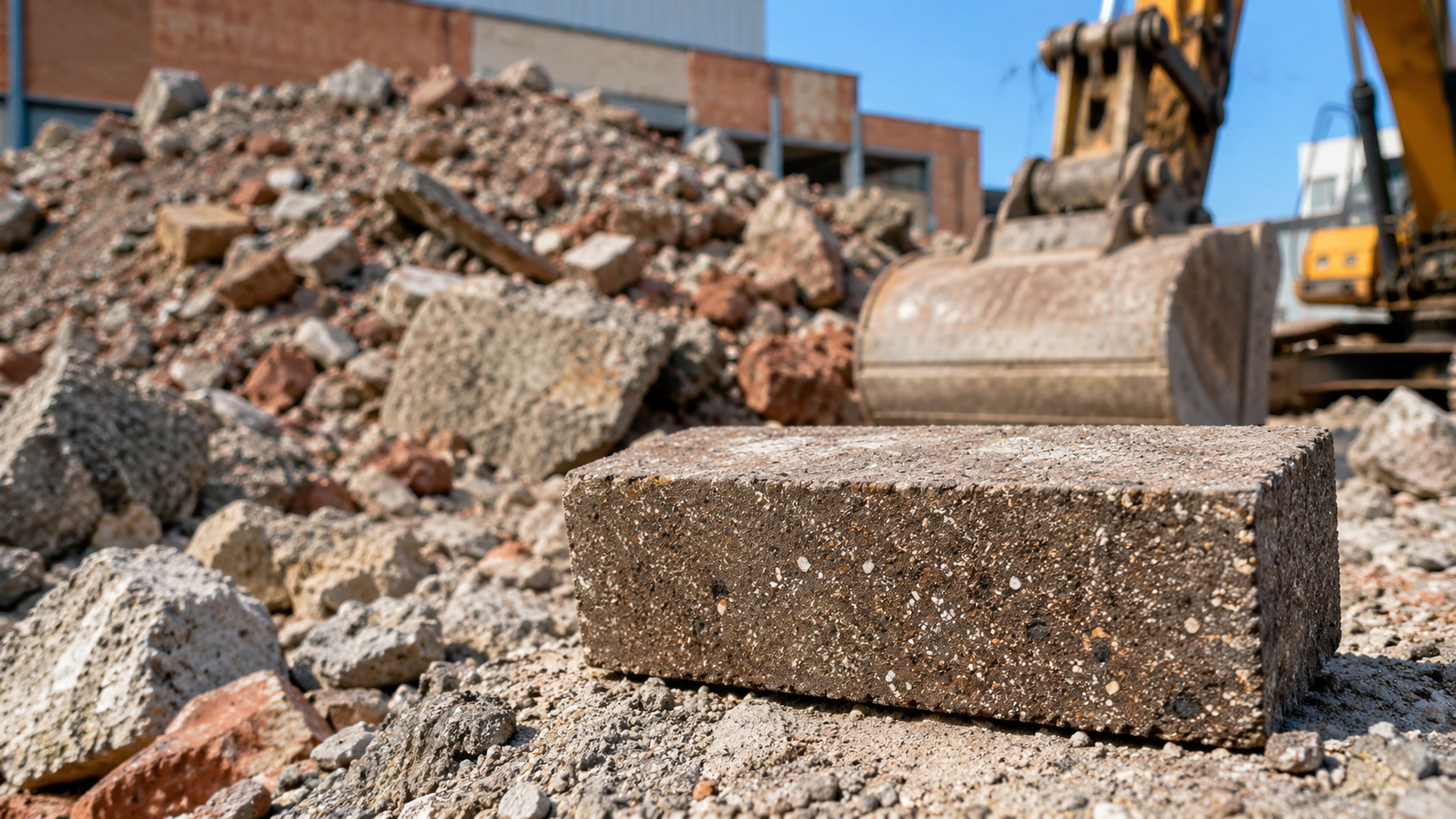
Scotland creates a brick made with over 95% recycled debris, eliminates kiln firing, and attempts to reinvent a piece used in construction for almost a thousand years.

-
In Taipei, 1.5 million recycled plastic bottles were saved from becoming waste, turned into building blocks, and formed a nine-story pavilion for an international exhibition.
-
Slums in India painted roofs white to cope with 46°C heat, cool down stuffy homes, improve sleep, reduce energy consumption, and even ease the burden on refrigerators.



The motivation behind this endeavor? To accelerate the adoption of electric UAVs in industrial sectors. These vehicles present a series of advantages over traditional methods, such as greater efficiency and accuracy.
Hydrogen: The Answer To Future Challenges
Battery-powered UAVs, while promising, still face limitations in long-range applications and heavy payloads. And this is where the potential of hydrogen comes in. The alliance between Honeywell and NREL aims to prove that hydrogen can be the key to overcoming these barriers.
“Long-range drones have issues with excessive noise, vibration, and emissions, including carbon,” notes Katherine Hurst from NREL. By joining forces with Honeywell, the hope is to utilize hydrogen efficiently, quietly, and environmentally friendly.
For Steve Christensen, NREL’s leader, the collaboration is a “dream opportunity.” Honeywell, with its vast expertise, can incorporate NREL’s technology directly into its systems, driving the future of sustainable aviation. “Hydrogen can offer significant advantages,” points out Dave Shilliday from Honeywell Aerospace.
The FLASH project, in essence, aims to combine long-lasting hydrogen storage with efficient fuel cells. The result? Electric UAVs with long-range capabilities, free from the emissions and noise of combustion engines.
The Revolution Is Near
In addition to supporting flight, FLASH technology focuses on solid materials that quickly release hydrogen gas for the fuel cells. With high hydrogen capacity and operation at low temperatures, it promises to meet industrial needs.
Honeywell, with its long history of providing innovative industrial solutions, will continue to push the boundaries of technology. With this partnership with NREL, the revolution in hydrogen storage and sustainable aviation is one step closer to becoming reality.
Source: Julia Oliveira


Be the first to react!