





 Portuguese
  English
  Spanish
  5 min of reading
  0 comments


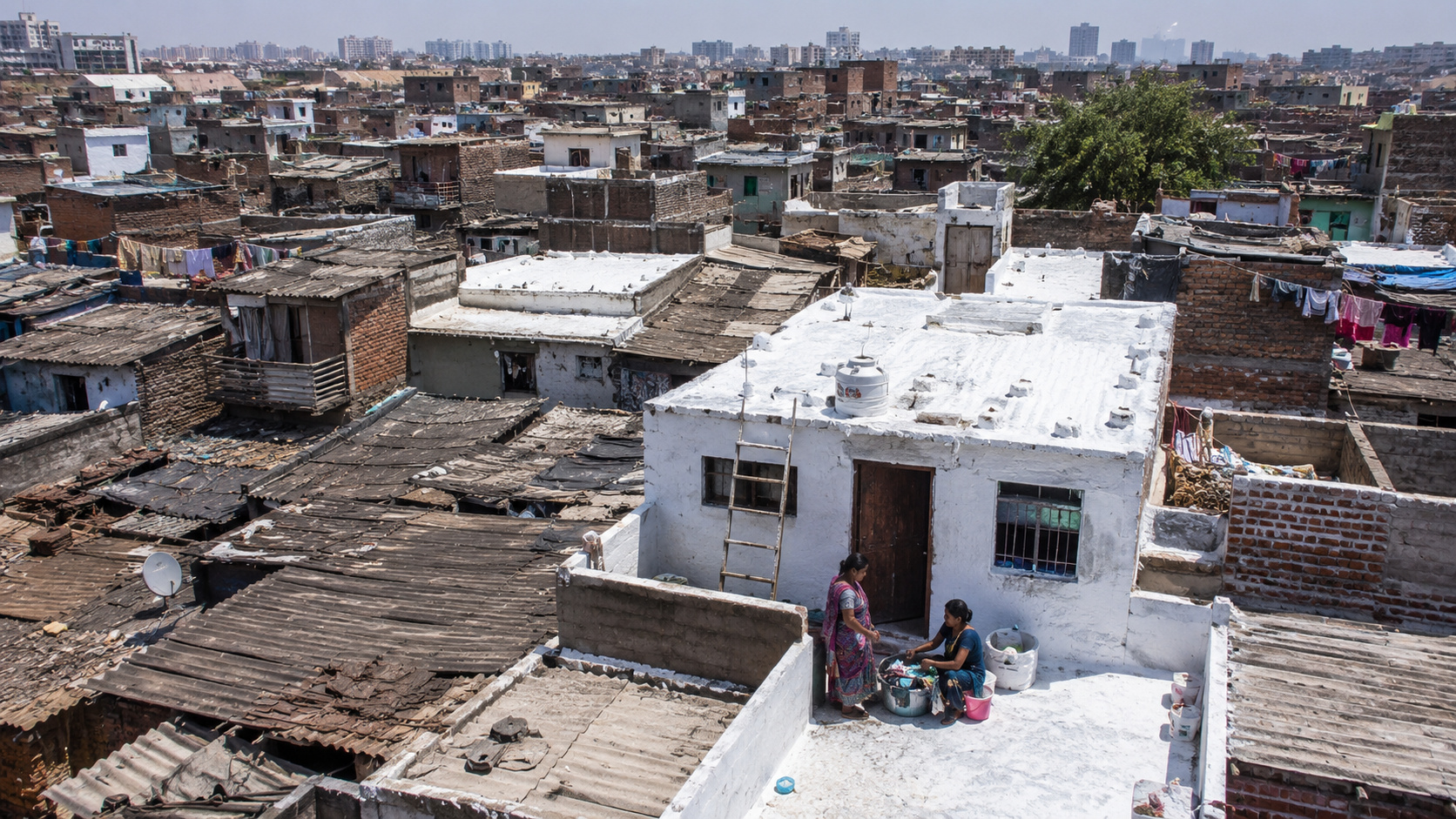
White roofs became a test against extreme heat in Ahmedabad, with 400 houses painted, reports of cooler nights, lower energy costs, and relief inside the house for residents of informal settlements
Slums in India painted roofs white to tackle the extreme heat of 46 °C in Ahmedabad, a city in the state of Gujarat. The change seems simple, but it directly affects the part of the house that receives the most sun during the day.
The information was published by Reuters, news agency, on March 10, 2025. The test covered 400 houses in informal settlements, simple housing areas where the heat inside can become suffocating.
Residents reported cooler houses, better sleep, lower electricity bills, and even the refrigerator heating up less. The idea is not to sell a miraculous solution, but to show how a light paint can help when a dark roof turns the house into an oven.
-
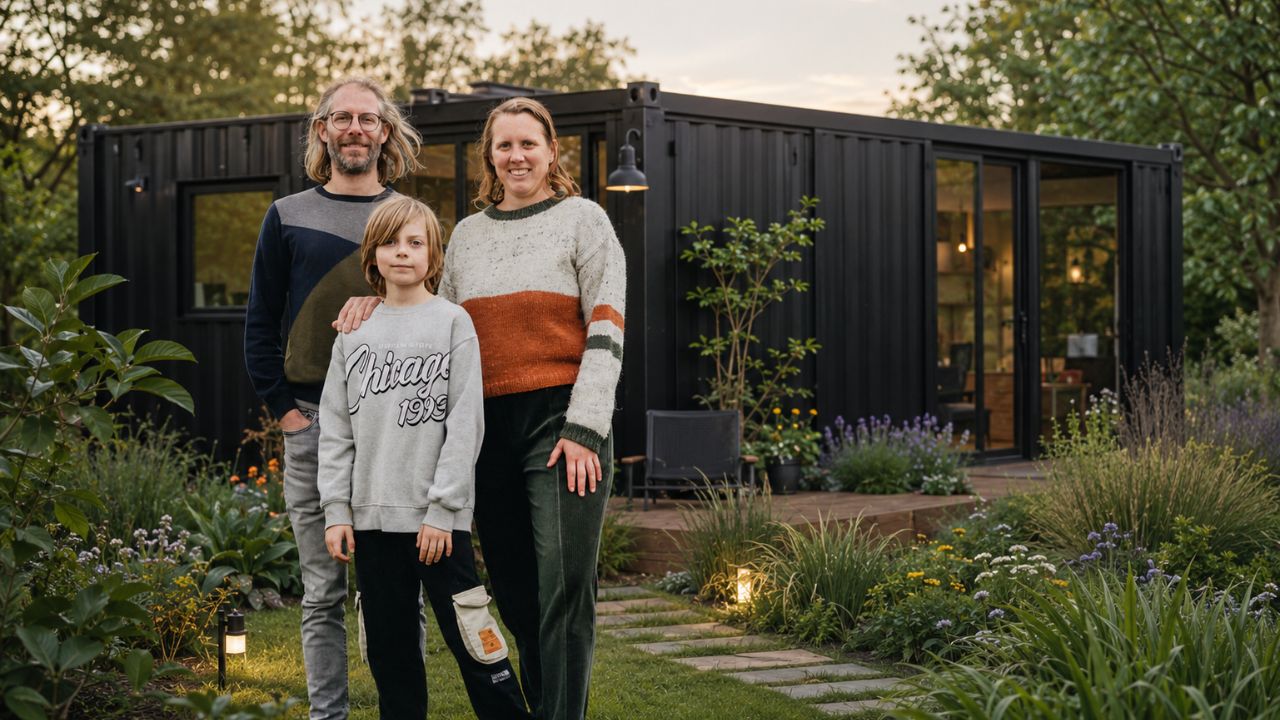
Couple builds a 62 m² house with two containers and draws attention for the creative and sustainable proposal; the property was built on a 3,123 m² plot in Belgium, combining solar energy, reused materials, and a lifestyle more connected to nature.

-
Instead of carrying everything uphill, China deployed two heavy-duty drones that together lift up to 650 kilograms to supply a power line on a mountain in Hebei, delivering hundreds of tons of material in a single day.

-
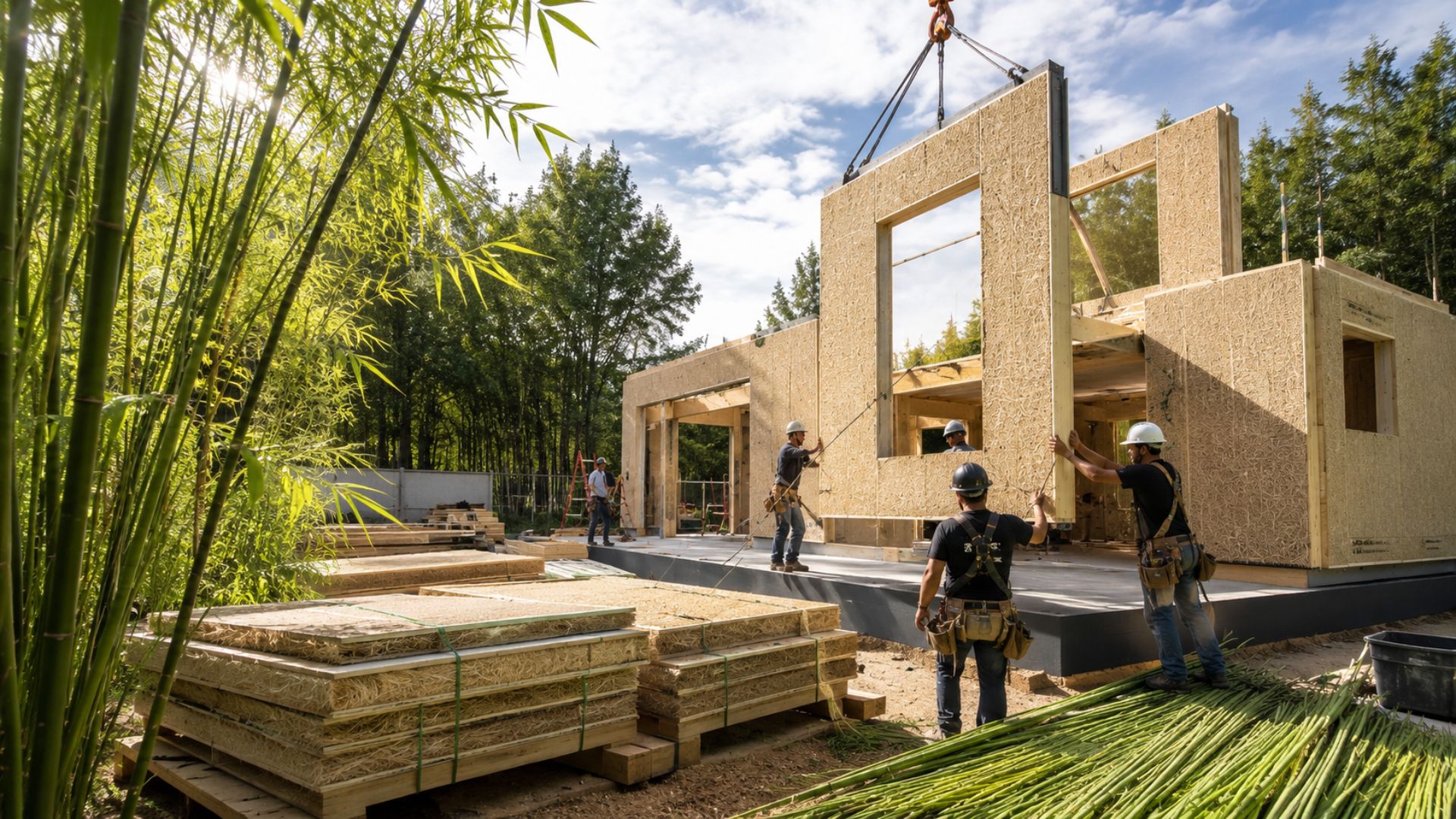
A former SpaceX engineer left rockets to reinvent home construction and founded a startup that manufactures wall panels from a grass that grows about 15 centimeters per day.
-
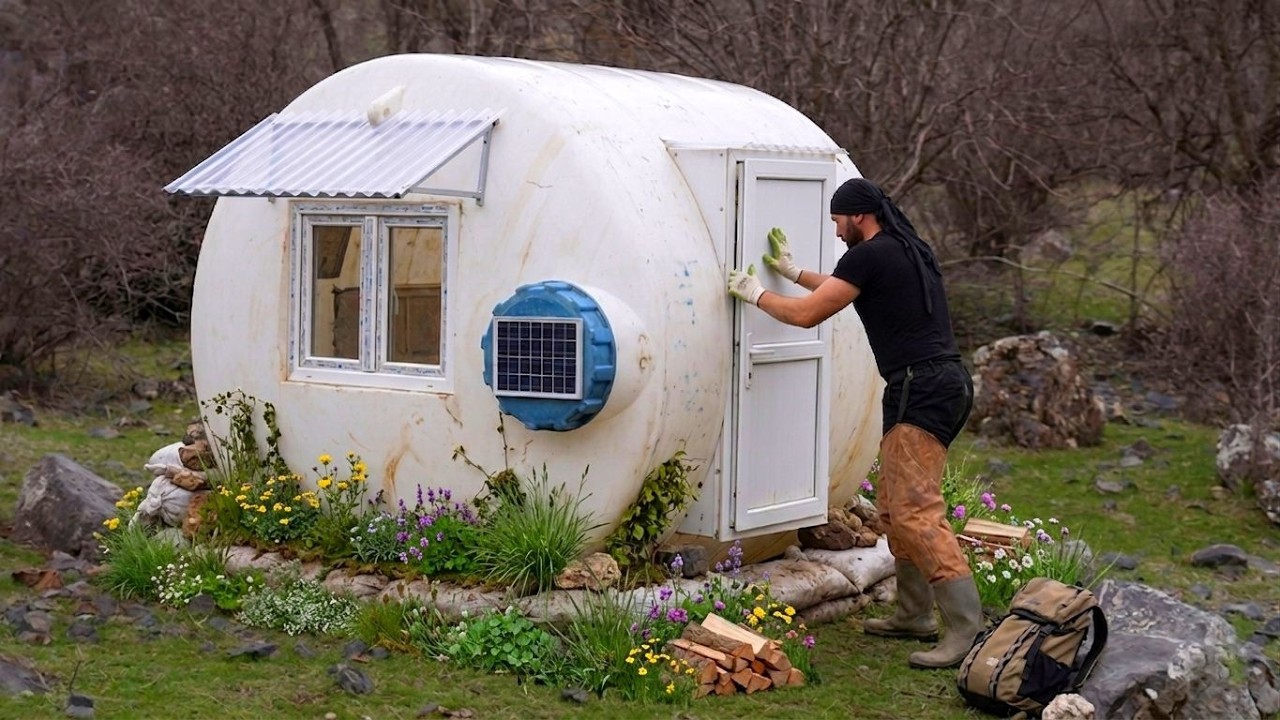
He transformed an abandoned plastic water tank into an underground house in the “hobbit hole” style, using only repurposed pallet wood, without heavy machinery or expensive labor.

Dark roof absorbs heat and makes the house even more stuffy
On sunny days, the dark roof heats up much more. It receives solar radiation, retains part of this heat, and transfers the temperature inside the house.


The reflective white paint does the opposite. It helps the roof reflect part of the sunlight, instead of absorbing everything. In practice, the house can become less hot during the hottest times.
For those living in a small house, this difference can change the routine. A cooler environment helps to sleep better, reduces discomfort, and decreases the need to use appliances for longer.
The most important point is the simplicity of the solution. It’s not about major construction work or technology that’s hard to understand. It’s a light paint applied to the roof to try to reduce the heat inside the home.
Ahmedabad has already recorded 46 °C and became a laboratory against extreme heat
Ahmedabad is located in the state of Gujarat, India, and has recorded temperatures above 46 °C. This type of heat affects residents of vulnerable areas more strongly, especially when the house has little protection against the sun.
The test with 400 houses aims to measure how reflective white paint can act in this scenario. The research monitors impacts on internal temperature, health, and the comfort of residents.
In informal settlements, the heat is not just uncomfortable. It disrupts sleep, increases fatigue, and makes simple activities more difficult. Cooking, resting, or staying indoors can become a challenge.
That’s why the roof painting draws attention. It addresses a direct point of the problem: the roof that receives sun all day and helps spread heat inside the home.
Residents reported better sleep, lower electricity bills, and refrigerators suffering less
The residents’ reports show the impact more easily understood. After the white paint on the roofs, there was a perception of less stuffy houses and more bearable nights.
There were also reports of lower electricity bills. This can occur when the house becomes less hot and residents rely less on devices to try to relieve the heat.
One of the most curious details involves the refrigerator. Residents said the appliance started to heat up less. In a very hot house, even simple equipment can work harder.
This report brings the topic closer to real life. The heat doesn’t just stay in people’s bodies. It enters the kitchen, affects appliances, weighs on the bill, and changes the way the family uses their own home.
Reuters detailed that the research monitors health and temperature inside the houses
Reuters, news agency, detailed that the project is part of a global test against extreme heat. The research not only observes the appearance of the roofs but also what happens inside the houses after the painting.
Initial results in Burkina Faso, another location monitored in the study, indicated a reduction in internal temperature and a decrease in residents’ heart rates. Heart rates are heartbeats, which can increase when the body suffers from intense heat.
This information helps to understand why the topic goes beyond comfort. When the house gets too hot, the body needs to make more effort to deal with the temperature.
Even so, the results need to be monitored carefully. White paint can help, but it does not replace safe housing, ventilation, shade, water, sanitation, and public policies for those living in vulnerable areas.
The solution is simple, but it doesn’t solve the problem of precarious housing alone
Painting the roof white can reduce some of the heat, but it doesn’t erase other problems faced in informal settlements. Very fragile houses, little urban structure, and lack of protection against climate extremes still require larger solutions.
The value of the test lies in showing that small changes can also have an effect on daily life. In places where the heat has already reached 46 °C, any reduction inside the house can mean a less difficult night.
For Brazil, the experience draws attention because many cities also face strong heat and vulnerable housing. The logic of light-colored roofs is simple and easy to understand, although each location needs to evaluate climate, material, cost, and application.
The reflective white paint appears as a practical response to a growing problem. It doesn’t promise to end the heat, but it can reduce the suffocation in houses that receive direct sunlight all day long.
White roofs show how extreme heat is also a construction problem
The case of the slums in India shows that extreme heat doesn’t depend only on the temperature outside the house. The type of roof, the color of the covering, and the structure of the dwelling greatly influence what happens inside.
In the 400 houses painted in Ahmedabad, the test brought a straightforward idea: if the dark roof increases the heat, the white surface can help reflect part of the sun and relieve the environment.
This simple solution gained prominence because it speaks to those who live the problem firsthand. Residents want to sleep better, spend less energy, and have a less stuffy house during heatwaves.
The experience is still being monitored, but it already shows an important lesson. In increasingly hot cities, the roof can cease to be just a covering and become part of the protection against heat.
If painting roofs white can relieve stuffy houses in regions of extreme heat, should this solution be tested in Brazilian communities before the next heatwaves?







Be the first to react!