





 Portuguese
  English
  Spanish
  4 min of reading
  0 comments


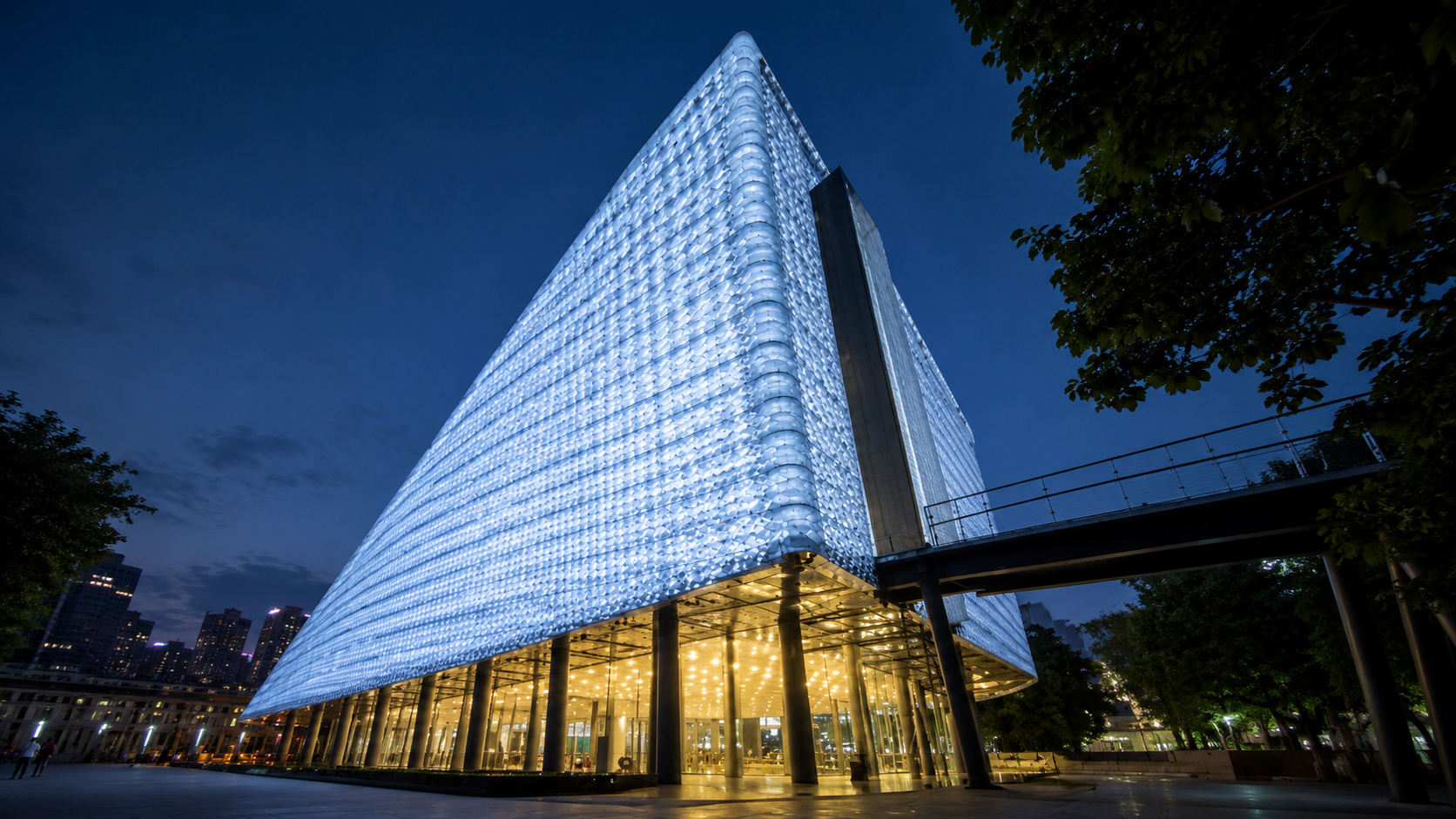
EcoARK showed how recycled plastic bottles can leave urban waste and become public construction in a large-scale project in Taipei
In Taipei, 1.5 million recycled plastic bottles were saved from being waste and turned into blocks used in the construction of the EcoARK, a nine-story pavilion created for an international exhibition.
The project was carried out in Taipei, Taiwan, for the Taipei International Flora Exposition of 2010. The information was released by MINIWIZ, the company responsible for the Polli Brick technology.
The case draws attention because the material used is known for appearing in trash bins, streets, rivers, and landfills. In EcoARK, this same plastic gained another function and became part of a giant public structure.
-
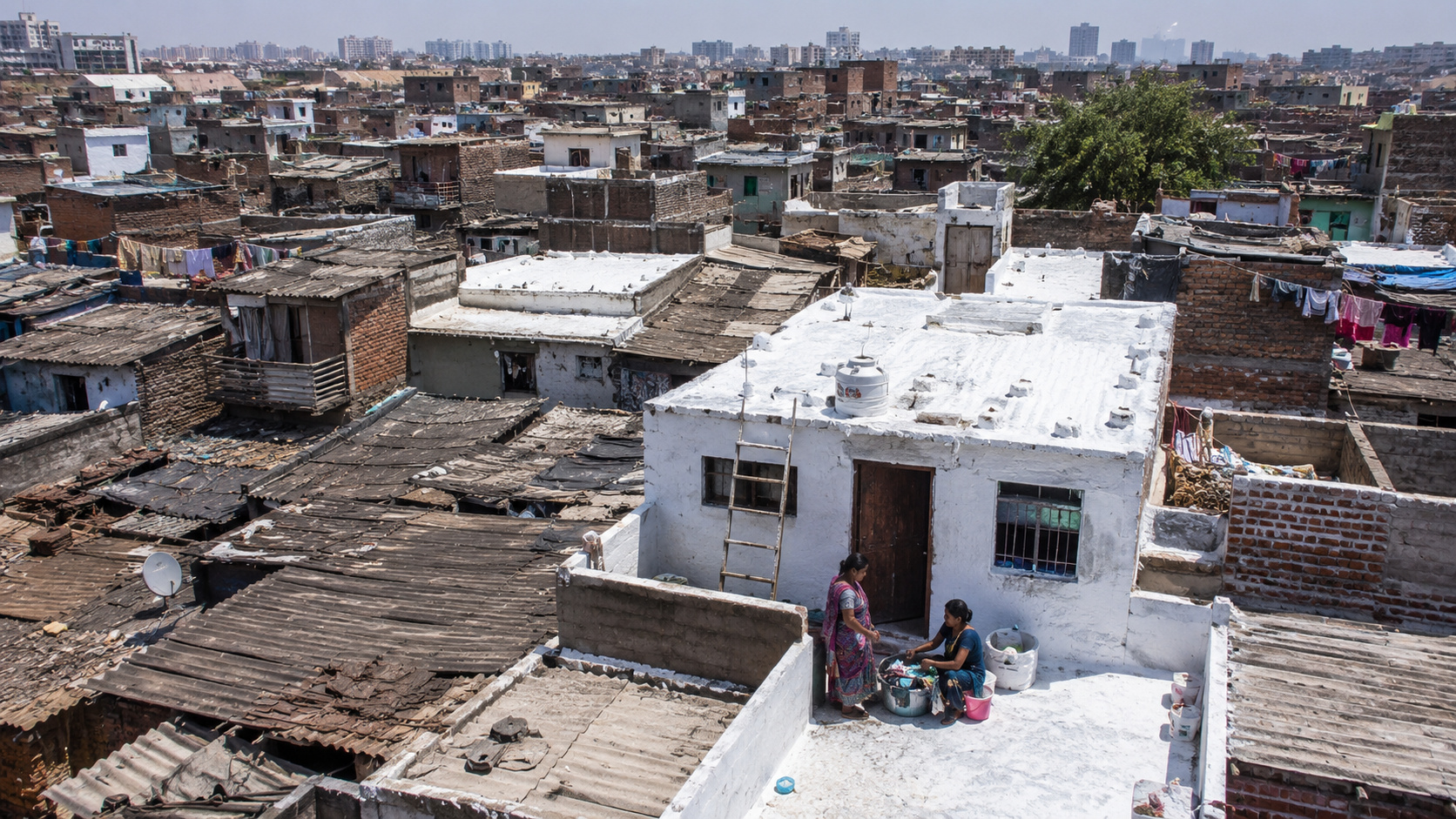
Slums in India painted roofs white to cope with 46°C heat, cool down stuffy homes, improve sleep, reduce energy consumption, and even ease the burden on refrigerators.

-
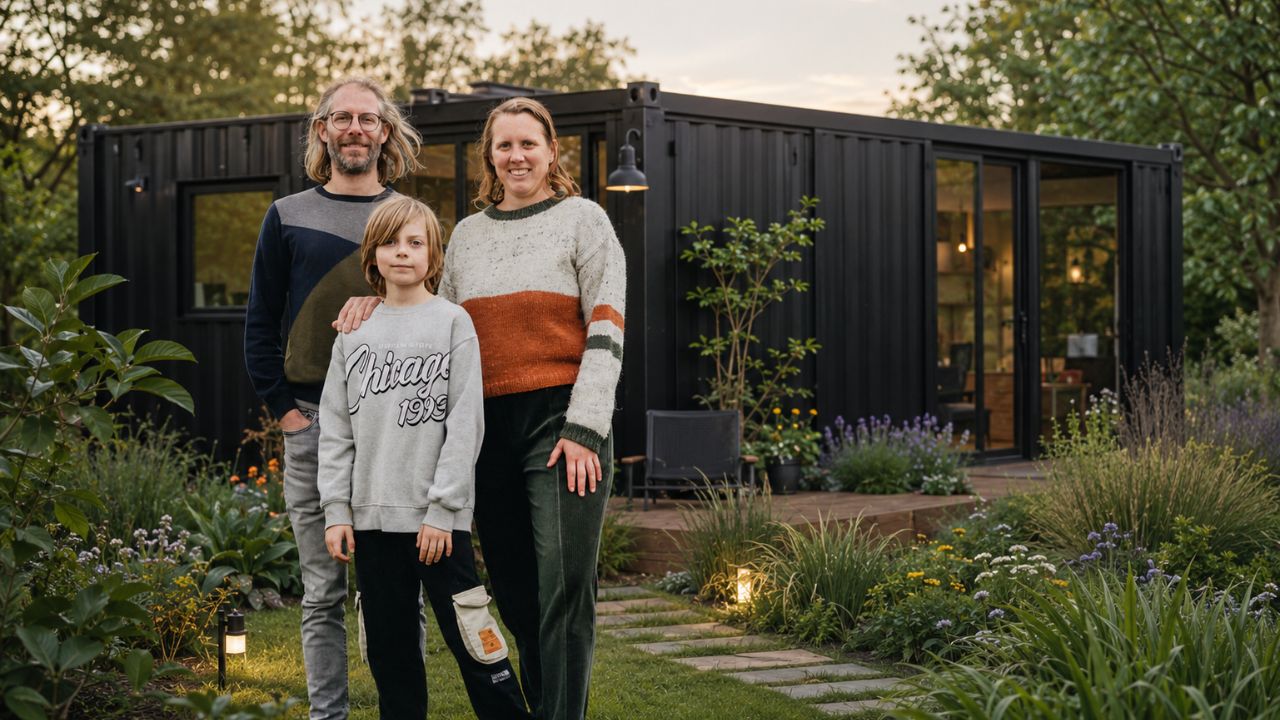
Couple builds a 62 m² house with two containers and draws attention for the creative and sustainable proposal; the property was built on a 3,123 m² plot in Belgium, combining solar energy, reused materials, and a lifestyle more connected to nature.

-
Instead of carrying everything uphill, China deployed two heavy-duty drones that together lift up to 650 kilograms to supply a power line on a mountain in Hebei, delivering hundreds of tons of material in a single day.

-
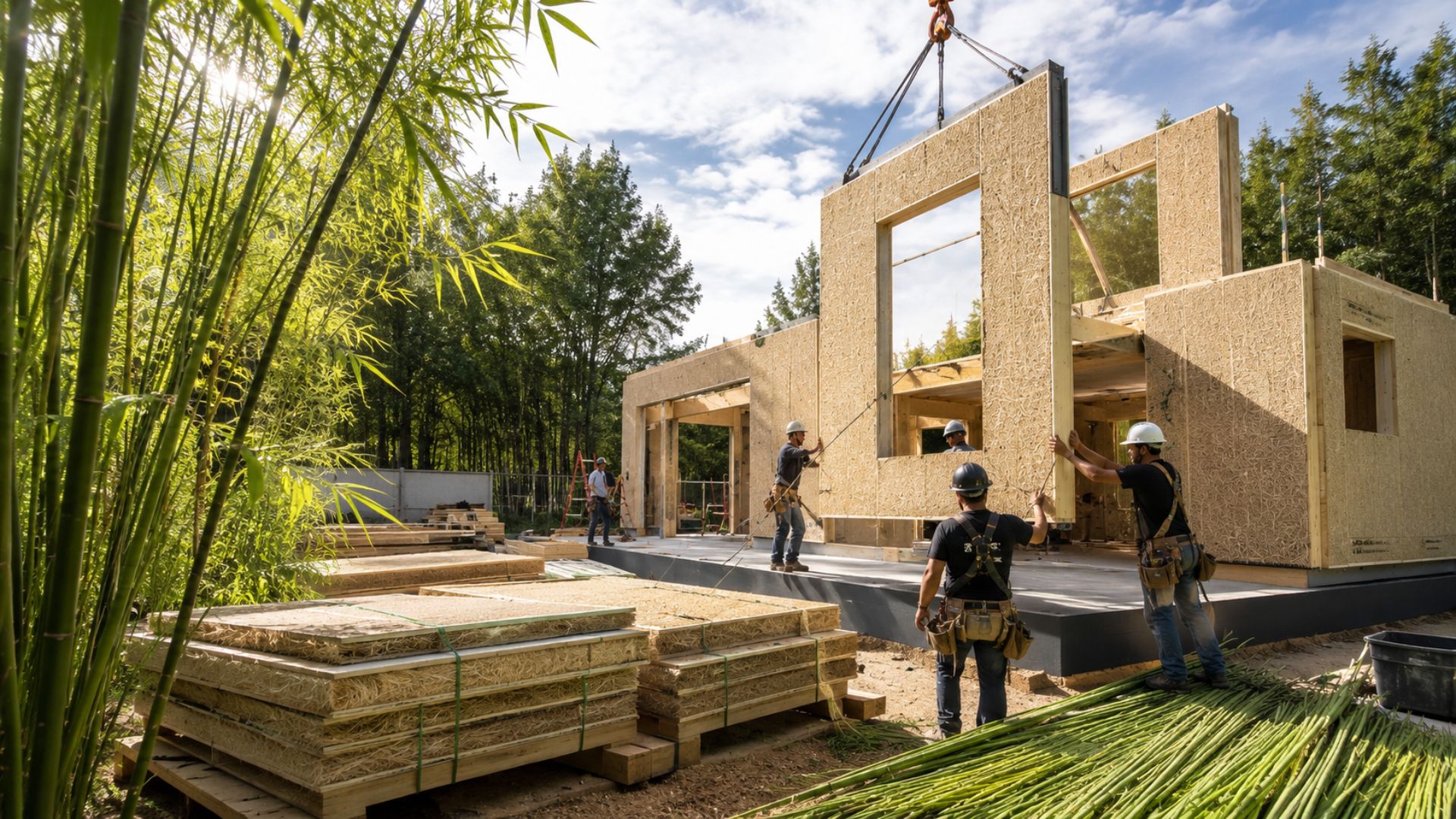
A former SpaceX engineer left rockets to reinvent home construction and founded a startup that manufactures wall panels from a grass that grows about 15 centimeters per day.

The nine-story pavilion transformed PET bottles into construction blocks
The EcoARK was built with blocks called Polli Brick. They are made from recycled plastic bottles and used as construction pieces.
PET bottles are those common in beverages and other everyday products. When not recycled, they increase the volume of waste and become a problem for cities.


In Taipei, this waste underwent transformation and became part of the pavilion. The result was a public construction that combined recycling, engineering, and design in the same project.
The project was created for the Taipei International Flora Exposition of 2010
The EcoARK was made for the Taipei International Flora Exposition of 2010, an international exhibition held in Taiwan. The pavilion served as a showcase to demonstrate another possible use for discarded plastic.
The construction was not a small artisanal experiment. It reached an urban scale, with a height of nine stories and public use within an international event.
MINIWIZ, the company responsible for Polli Brick technology, registered the EcoARK as a public structure made with 1.5 million recycled plastic bottles. This number is the center of the story and helps to show the scale of reuse.
What is Polli Brick and why did this block attract so much attention
Polli Brick is the name of the block used in the EcoARK. In simple language, it is a piece made with recycled plastic to be fitted into a construction.
The idea attracts attention because it changes the fate of a common material. The bottle that could become waste is now used in a planned project.
This does not mean that any bottle can be directly placed in a construction. The plastic needs to go through an appropriate process, become a block, and be used in a construction designed for this type of use.
Why the EcoARK matters for countries with excess plastic waste
The EcoARK matters because it shows a visual and practical possibility for a known problem. Large cities consume many plastic bottles and do not always manage to recycle all the discarded volume.
For Brazil, the example is easy to understand. The country also deals with irregular disposal, limited collection in many regions, and difficulty in transforming waste into a higher-value product.
The Taiwan pavilion shows that plastic can have another destination when technology exists. Still, the construction should not be seen as the sole solution for plastic waste.
The difference between a technological showcase and a solution for all cities
The EcoARK functions as a technological showcase. It shows the public that recycled bottles can be part of a real construction when they receive appropriate treatment.
But the work does not mean that common buildings can be replaced by recycled plastic constructions without study. Each project depends on safety, engineering, correct design, and appropriate use of the material.
This care avoids a wrong interpretation. The EcoARK does not solve the plastic problem, but it proves that waste can gain value when it enters a well-planned reuse chain.
Sustainable construction became easier to understand when waste became a building
The EcoARK made the idea of sustainable construction more concrete. Instead of just talking about recycling, the pavilion showed the result in a visible, tall structure used by the public.
This type of project helps bring the theme closer to everyday life. The disposable bottle, which many see every day, appeared in another form: as part of a nine-story pavilion.
The greatest impact is in this change of perspective. What seemed like just urban waste began to be seen as material for construction, design, and reuse.
An example from Taiwan that sends a message to other cities
The EcoARK, in Taipei, gathered 1.5 million recycled plastic bottles, Polli Brick blocks, and a public structure created for the Taipei International Flora Exposition 2010.
The work should not be treated as a ready-made formula for all places. Even so, it shows that plastic waste can gain value when there is technology, planning, and correct application.
If a city can transform discarded bottles into a public pavilion, what other waste could become useful works in Brazil? Share your opinion and share this story with those interested in sustainable construction.







Be the first to react!