






 Portuguese
  Spanish


How much does a packer earn in 2026? See the salaries at Assaí, Carrefour, and Atacadão, the benefits offered, and how to grow in your career.
The remuneration of a packer in Brazil in 2026 ranges from R$ 1,621 to R$ 1,875 per month in the main food retail chains, depending on the company, city, and length of service. The values were gathered from Glassdoor data, the Salary Portal, and employer union records, and are directly linked to the new federal minimum wage, set at R$ 1,621.00 by the Federal Government for this year. For those seeking their first job or a quick relocation in the market, the role stands out as one of the main entry points in the retail sector.
How much does a packer earn at Assaí, Carrefour, and Atacadão?
Salaries vary according to the employing chain and the location of the stores. In large capitals, such as São Paulo, the values tend to be higher, as the regional commercial floor is historically higher than in other cities, according to the Salary Portal.
See below the average salary range recorded in the three main wholesale retail chains in Brazil:
-
Eco Invest Auction Aims to Unlock $10 Billion in Investments, Focusing on Green Fertilizers, Critical Minerals, Batteries, and AI for Clean Industry in Brazil

-
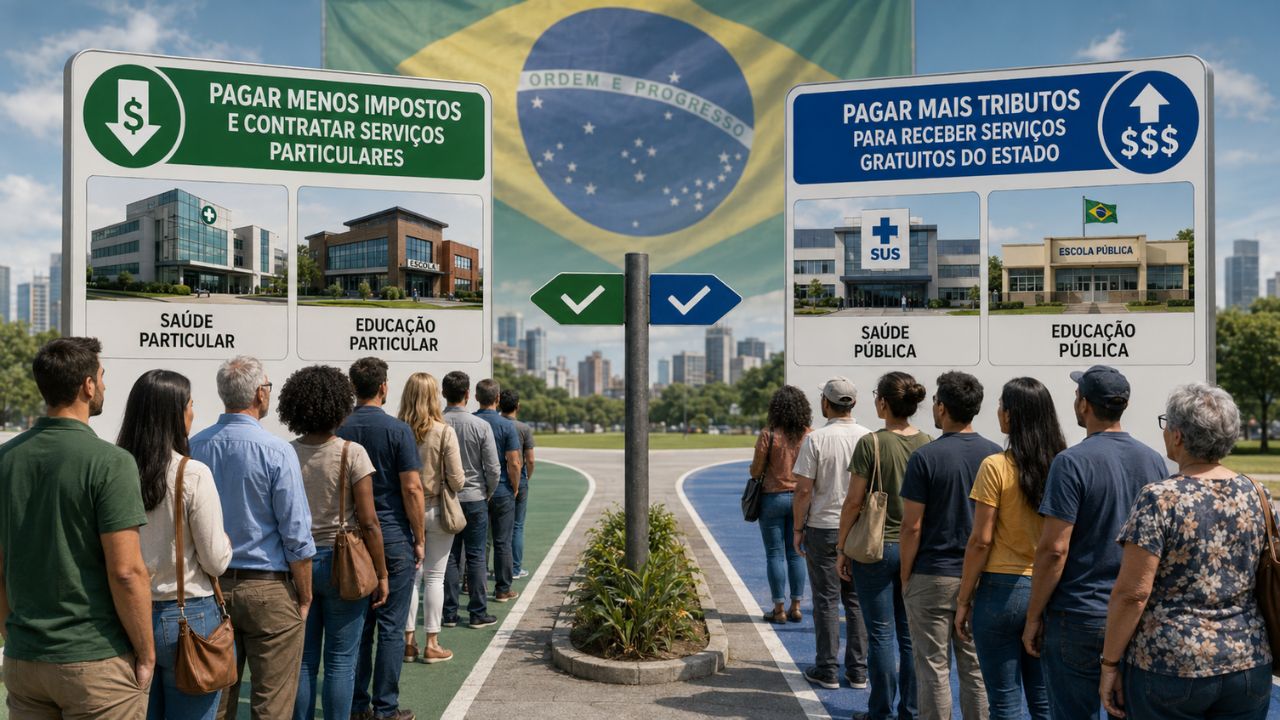
Half of Brazilians Prefer Lower Taxes with Private Health and Education, While 44% Opt for Higher Taxes for State-Provided Services, Datafolha Survey Reveals

-
Brazil’s Most Expensive Toll Rises to R$ 40.60 on Route from São Paulo to the Coast, Nearly Matching Bus Fare to Santos

-
As Brazil Expands Social Welfare, Survey Reveals 40% Blame Poverty on Laziness, While 58% Cite Lack of Opportunities




| Chain | Average salary range | Observation |
| Assaí Atacadista | R$ 1,600 – R$ 1,710 | Varies according to location and length of service |
| Carrefour | ~R$ 1,735 | Average reported by employees |
| Atacadão | Up to R$ 1,875 | Maximum value in large capitals, such as São Paulo |
Sources: Glassdoor, Salary Portal, and employer unions (2026).
In addition to the base salary, the chains offer benefit packages that significantly increase the worker’s total income — and weigh in the decision of those choosing where to work.
Benefits that complement the packer’s salary
The compensation package of the large chains goes beyond the amount deposited into the account. For many workers, indirect benefits represent a significant portion of the monthly income. Among the main items offered by companies in the sector, the following stand out:
- Transportation voucher to cover daily commuting to work;
- On-site meals, eliminating food expenses during work hours;
- Medical assistance, especially relevant for those without health insurance;
- Profit and Results Sharing (PLR), available in chains like Carrefour;
- Discounts on purchases made within the employing chain.
Atacadão, for example, is recognized for offering transportation vouchers, on-site meals, and medical assistance, items that reduce the employee’s cost of living and make the position more attractive even with a salary close to the minimum.
What does a packer do on a daily basis?
The role of a packer goes beyond simply placing products in bags. The professional works directly in customer service and is responsible for ensuring that purchases reach the consumer’s final destination in good condition.

In practice, the job involves receiving items as they are registered at the checkout, assessing the fragility of each product, and choosing the most suitable packaging — whether paper bag, plastic, or box. Additionally, the packer needs to organize the products to optimize space and prevent items from being damaged during transport.
In many establishments, the professional also assists customers in taking their purchases to the vehicle, which requires willingness, friendliness, and focus on service, even during peak periods — such as weekends and festive dates.
Where does the packer work?
Supermarkets, hypermarkets, wholesalers, and retail stores in general are the main environments where this professional works. The packer usually works near the checkout areas, positioned on conveyors or in specific packaging areas.
The pace of work varies according to the size of the establishment. In large chains with a high flow of customers, the environment is more dynamic and requires constant agility. In smaller stores, the routine is calmer, though equally demanding during peak hours.
Therefore, skills such as physical endurance, organization, and the ability to maintain focus in high-pressure situations are highly valued by employers in the sector.
How to become a packer and what requirements are demanded
One of the biggest advantages of the profession is the low requirement for formal qualification. Most chains do not require previous experience or specific technical training to hire a packer. What matters in the selection are the candidate’s behavioral characteristics.
Among the most valued requirements by employers are:
- Punctuality and responsibility;
- Good communication and ability to interact with the public;
- Willingness to work flexible hours, including weekends and holidays;
- Ability to follow instructions precisely;
- Organization and agility during service.
To get the job, the most direct way is to register your resume directly on the websites and apps of chains — such as Assaí, Carrefour, and Atacadão — which frequently have open selection processes, given the naturally high turnover rate of the role.

Growth prospects for those who start as a packer, whether at Assaí, Carrefour, Atacadão, or elsewhere
Although the entry-level salary is concentrated around the minimum wage, the position serves as a starting point for a career path within retail. Career specialists point out that corporations like Assaí, Carrefour, and Atacadão have internal development plans that allow packers to advance to positions of greater responsibility.
Among the roles to which a packer can be promoted are cashier, stocker, and even section leader. Therefore, the role represents not only immediate income but also a real opportunity to build a career within consolidated companies in the Brazilian market.
Furthermore, the food retail sector continues to expand in 2026, driven by the new minimum wage appreciation policy and collective bargaining agreements negotiated in large urban centers — which tends to favor workers at the bottom of the sector’s salary pyramid.
With information from Portal 6


