






 Portuguese
  Spanish


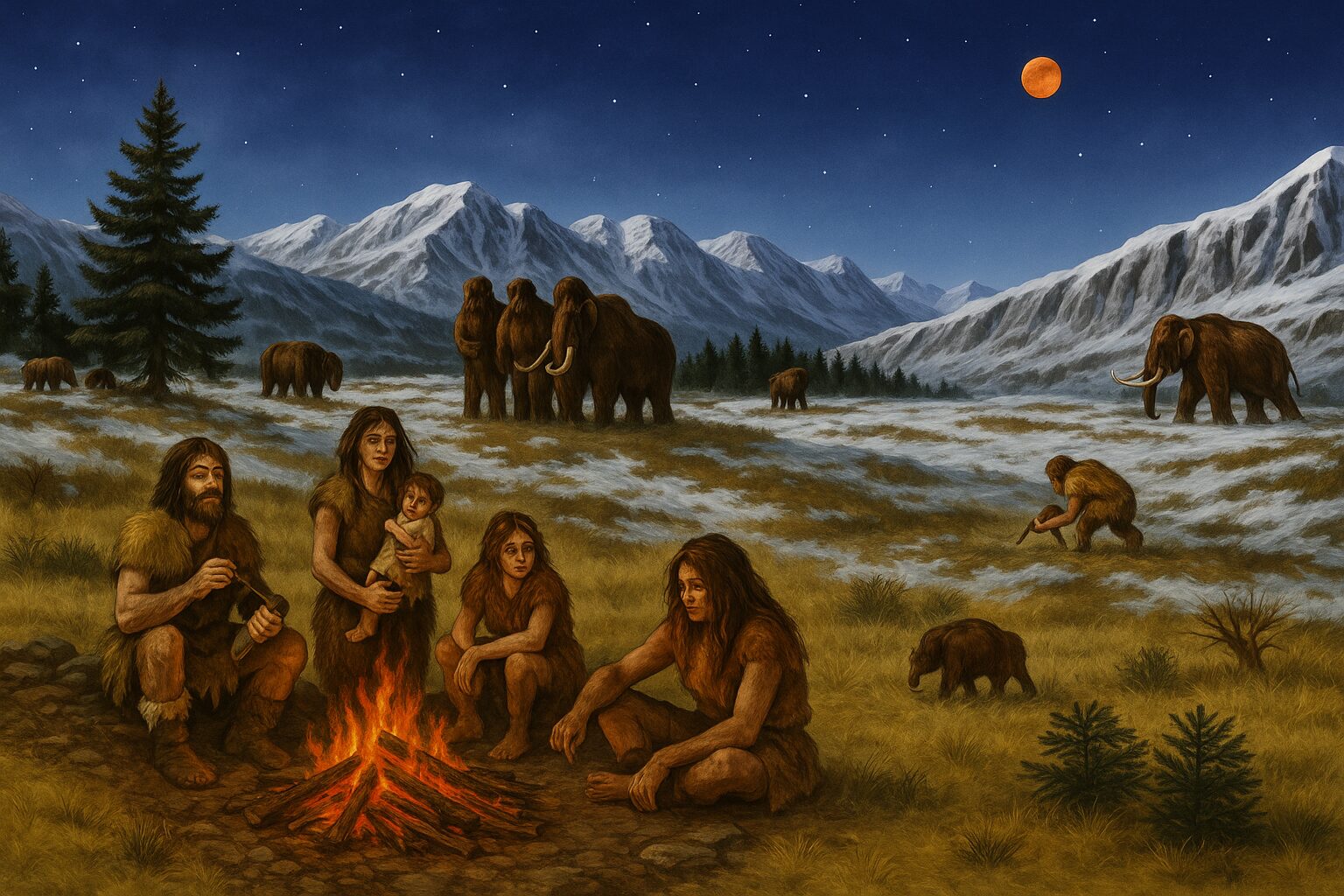

Study Reveals That Ice Age Peoples Used Wood, Bones, and Fat to Fuel Fireplaces with Temperatures Above 600 °C, Demonstrating Advanced Fire Control.
During the Ice Age, Upper Paleolithic peoples mastered fire with more technique than previously thought.
Archaeologists discovered three sophisticated fireplaces at an archaeological site called Korman’ 9, located on the right bank of the Dniester River in Ukraine.
The structures reveal not only the use of wood as the main fuel but also the possible use of bones and fat to keep the flames alive.
-
Engineers Develop Jacket That Converts Air Humidity Into Drinkable Water, Producing Up to 900 ml Daily for Hikers, Campers, Rescuers, Rural Workers, and Military in Remote Areas

-
NASA Plans to Repurpose Mars Rover for Lunar Mission, Sending a 1-Ton Nuclear-Powered Vehicle to Explore the Moon’s South Pole Without Solar Dependence
-
Early Humans Made Beds Nearly 200,000 Years Ago in African Caves, Study Reveals

-
Japanese Smart Bike Detects Cyclist’s Intent to Turn and Potential Falls


Strategic Location and Datings of the Ice Age
The Korman’ 9 site belongs to the Upper Paleolithic period, between 45,000 and 10,000 years ago. According to researchers, it was identified in 2012 during a survey of archaeological sites along the Dniester River.
The area is located on a north-facing terrace, a strategic position for ancient nomadic groups in the region.
Analyses revealed three flat and open fireplaces. The structures drew attention due to signs of constant and repeated use throughout different seasons of the year.
Scientists believe that the presence of these fireplaces in the same location supports the hypothesis that hunter-gatherers returned to the area during their seasonal migrations.
Extreme Temperatures and Fire Control
Tests showed that the fires reached temperatures above 600 degrees Celsius. In one of the fireplaces, temperatures above 650 degrees were even detected. This indicates an impressive technical mastery of pyrotechnology, even under harsh environmental conditions.
According to Dr. Marjolein D. Bosch, a zooarchaeologist involved in the research, some animal bones found at the site were exposed to these high temperatures. The team is still studying whether these materials were intentionally used as fuel or if they were burned by accident.
Fuel: Wood, Bones, and Fat
The main energy source used in these fires was wood. Charcoal analyses indicate that the ancient inhabitants of the region used spruce wood.
However, researchers do not rule out the possibility that bones and fat were also used to sustain the fire, especially when wood was scarce.
Besides providing warmth, fire served various purposes for these human groups. It was used for cooking food, making tools, and promoting social gatherings. According to Dr. Philip R. Nigst from the University of Vienna, these activities reinforce the central role of fire in organizing daily life.
Different Fireplaces, Distinct Uses
Although all the fireplaces have a flat and open shape, each presents different characteristics. One of them is noticeably larger and thicker, suggesting that it may have been used for activities requiring higher temperatures.
The diversity of the fireplaces also points to adaptations based on the time of year or the group’s needs.
Dr. Nigst emphasizes that hunter-gatherers knew exactly how to control fire and adapt it to their needs. For him, the evidence at Korman’ 9 shows a high level of technical and social knowledge about the use of fire.
The findings were detailed in the journal Geoarchaeology.


