Portuguese
  Spanish


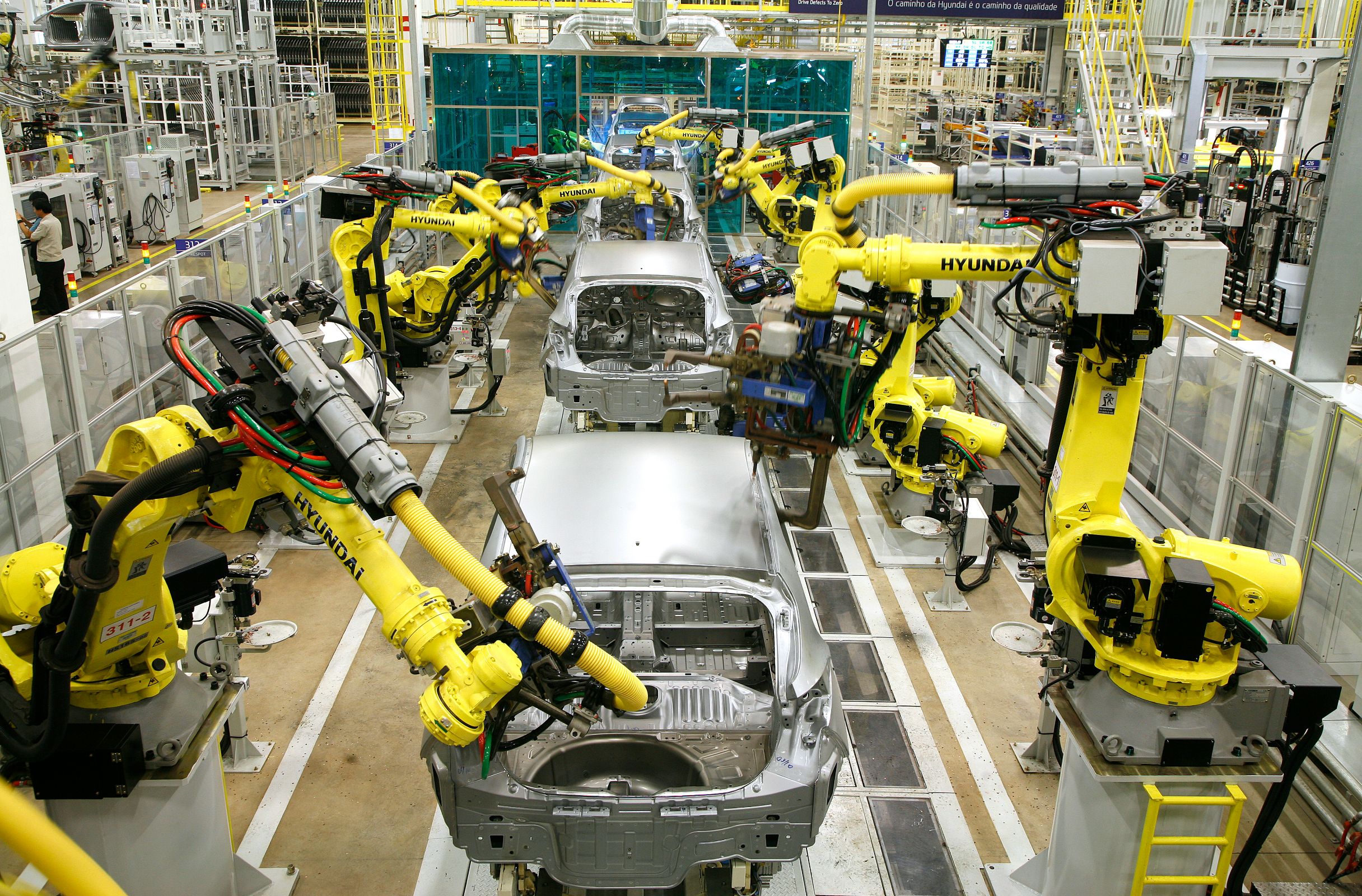

Hyundai Plans to Sell 1.7 Million Electric Cars by 2026 and Will End Production of Polluting Combustion Engines That Are Fueled by Gasoline and Diesel
Hyundai is officially ending the production of internal combustion engines. The phase-out of gasoline and diesel engines coincides with the brand increasingly focusing its operations on electric cars. According to information from Korea Economic Daily, Park Chung-kook, the new head of R&D at the brand, confirmed the decision through an email sent to company employees that Hyundai is saying goodbye to new combustion engine production.
Read Other Related News
Hyundai’s Gasoline and Diesel Engine Sector Employs 12,000 People
According to Hyundai, it is now inevitable to focus on electric cars. The very production of combustion engines is a major achievement, but it is necessary to change the system to develop future innovation based on the significant asset of the past.
-
Volkswagen to Cut Production by 1 Million Cars by 2030, Reducing Jobs and Platforms, Focusing on More Profitable Models

-
Toyota Launches First 100% Electric Car in Brazil: bZ4X with 343 HP, All-Wheel Drive, 361 km Range, Priced at $419,990 BRL, Limited to 99 Units

-
Chinese SUV Achieves 24.4 km/l, Outperforms Toyota Yaris Cross in Real-World Tests with 224 hp Hybrid System, Offers 51-Liter Tank for Greater Range, and Costs Up to R$ 5,000 Less.
-
Uber Black Revamps Fleet, Drops Ten Car Models and Sets Deadline for Electric BYD Dolphin


The department that is ending the production of gasoline and diesel engines is located in Namyang, South Korea, and has aimed to produce Hyundai engines since 1983, the year the group’s founder, Chung Ju-yung, decided that the Korean brand should manufacture its own internal combustion engines.
This gasoline and diesel engine sector employs approximately 12,000 people, who are gradually being transferred to the production of propulsion systems for electric cars.
Powertrain Is Becoming an Electric Car Testing Center
According to Hyundai, researchers from the engine design unit have been transferred to the electrification design center, with only a few remaining to modify the existing gasoline and diesel engines.
The Powertrain system development center is becoming an electrification testing center, while the Powertrain performance development center is also transitioning to a performance development center for electric cars. This news comes just days after the brand’s CEO, Jaehoon Chang, reaffirmed its commitment to electrification, announced a faster timeline for launch and commercialization, and also increased investments in electric cars.
The estimate for 2026, for example, is to register no less than 1.7 million electric cars, not counting hydrogen fuel cell models. This is a leap over the previous estimate, which did not exceed one million units. At that time, Hyundai commented on the end of new combustion engine production but did not provide details, which are now clearer.
Hyundai Doubles Electric Car Sales Target
Currently, the automaker has a range of electric, hybrid, hydrogen, and plug-in hybrid cars. Starting with the recently launched Hyundai Ioniq 5, the automaker’s goal is ambitious and estimates to launch 13 electric cars by the end of the decade.
The Ioniq family will also include the Ioniq 6, an electric sedan based on the Prophecy concept, and the Ioniq 7, a 7-seat electric SUV based on the E-GMP architecture. The automaker aims to finish next year with the registration of 220,000 electric vehicles.