






 Portuguese
  Spanish
  3 min of reading


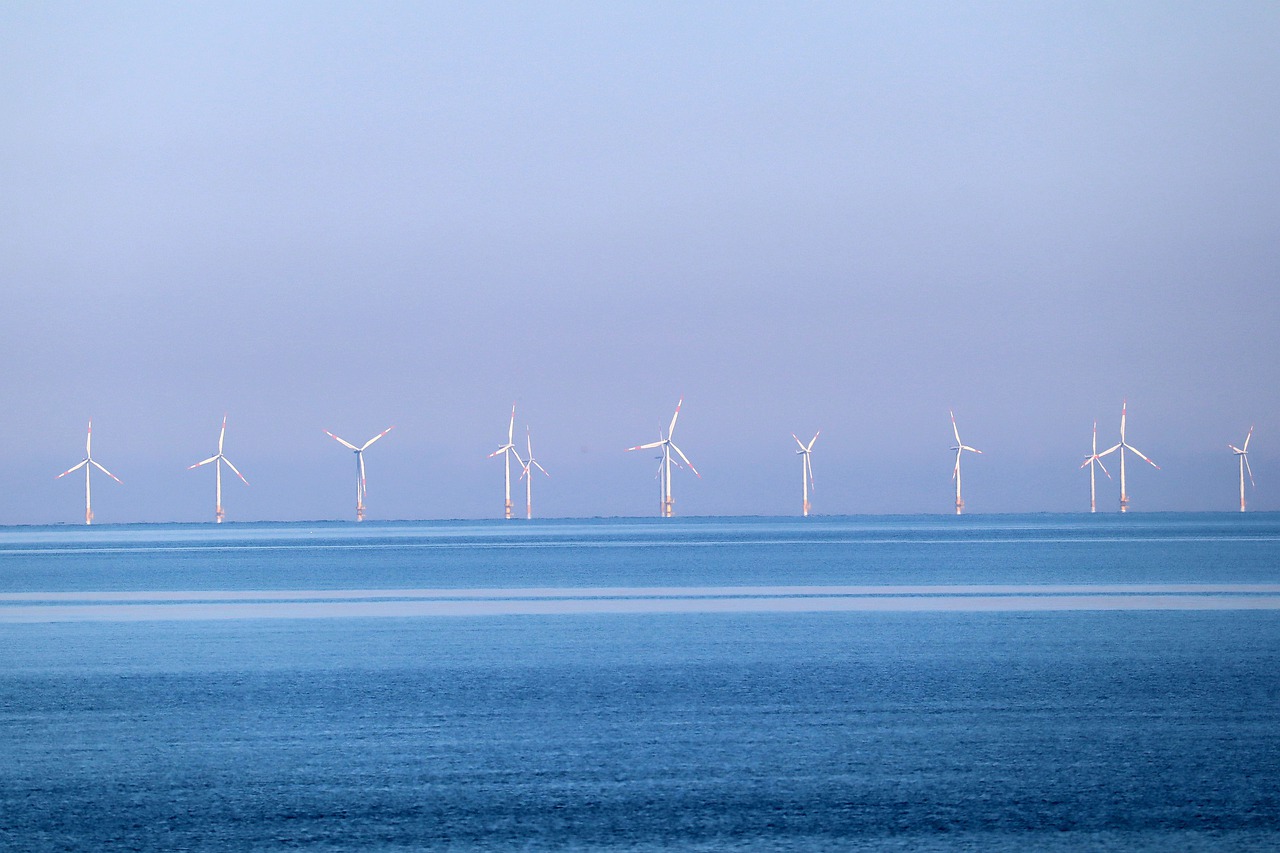
The Offshore Energy Sector in Brazil Is the Great Bet of the Energy Sector for the Future and a Total of 54 Proposals for Offshore Wind Farm Projects Are Already Circulating in the Files of Ibama, Awaiting New Procedures from the Agency.
The Brazilian Institute of Environment and Renewable Natural Resources (Ibama) has a total of 54 projects for the construction of wind farms in Brazilian waters, totaling a capacity of 133.3 gigawatts (GW) of power. The offshore wind energy sector is the great bet of the national energy market, and large companies in the segment are awaiting the necessary regulations to initiate the ventures.
Companies Already Guarantee a Total of 54 Proposals for Offshore Wind Farm Projects in National Territory to Ibama and Seek Offshore Wind Energy in the Country
By the end of April, the state agency Ibama had received a total of 54 proposals for the installation of offshore wind farms off the Brazilian coast, which are now being reviewed by the agency for more details. Additionally, the agency highlighted that the projects total 133.3 gigawatts (GW) of power, corresponding to almost 70% of the current generation capacity of the entire national electricity system, which is 200 GW at present.
Renewable energy production in Brazil is already quite high, and according to Eduardo Raffaini, leader partner of the oil and gas, chemical, and industrial sectors at Deloitte, of the 200 GW of installed capacity currently, about 83% comes from renewable ventures.
-
Brazilian scientists are simultaneously advancing two research projects on clean hydrogen and driving solutions that could transform the energy matrix, enhance industrial competitiveness, and accelerate large-scale emission reduction targets.

-
Advancement in renewable energy: A R$ 150 million project launched by Petrobras and Finep aims to create state-of-the-art electrolyzers for green hydrogen, strengthening national research and preparing Brazil to compete in a billion-dollar energy market.
-
Illiterate or semi-literate grandmothers were trained to repair solar systems, open rural workshops, and light up homes that still depended on kerosene.
-
The world has bet on green hydrogen as the fuel of the future, but now faces the side effect: producing 1 kilogram requires about 9 liters of ultrapure water, and the largest projects on the planet are precisely in the driest regions of the Earth, where water is already scarce for people.





Thus, the production of offshore wind energy with the projects circulating in Ibama could further expand these numbers, as offshore generation has the potential to reach 967 GW in areas where water depth is up to 50 meters, according to studies by the Energy Research Company (EPE).
Among the proposals for offshore wind farm projects currently being analyzed by Ibama, the main ones are from the company Ocean Winds, a joint venture formed between Engie Brasil and EDP Renewables.
The company has proposals to build a total of five offshore wind farms that will have 15 GW of capacity in Piauí, Rio Grande do Norte, and Rio Grande do Sul, but they are still in initial phases. Therefore, it is not possible to provide further details about investments or the expected time for project completion.
The Possibility of Constructing Offshore Wind Farms for Renewable Energy Production Has Attracted Companies from the Oil and Gas Sector
Among the 54 projects currently circulating in Ibama, companies from the oil and gas sector are making their presence felt and hold significant relevance in the scenario, as they already have experience with offshore operations in the international market. One of the main highlights in the projects is the company Equinor, which is headquartered in Norway and has been operating locally for about 20 years.
The company intends to build offshore wind farms totaling 14.5 GW of installed capacity. In addition, projects in Rio de Janeiro and Espírito Santo (4 GW) are being planned, and Equinor is “evaluating five other projects in Ceará, Piauí, Rio Grande do Norte, and Rio Grande do Sul, which would have an installed capacity of 10.5 GW,” according to information about the company’s future in the offshore wind energy sector in Brazil.
Now, Ibama is awaiting the creation of regulations for offshore wind projects in Brazil by the Federal Government in order to proceed with the analysis of the companies’ proposals and continue attracting investments in the Brazilian sector.








Be the first to react!