





 Portuguese
  English
  Spanish
  3 min of reading
  0 comments


The IBID 2025 Initiative Is Fostering Regional Innovation by Integrating Industrial Federations and Public Managers in 12 States, Promoting Strategic Policies and Sustainable Economic Development
The IBID 2025, (Brazil Innovation and Development Index), has been transforming the innovation landscape in the country by expanding to 12 Brazilian states, according to a report published.
The initiative, initially launched in Santa Catarina during the Startup Summit in August, demonstrates the national commitment to strengthening public policies focused on science, technology, and innovation (CT&I).
In a global competitiveness scenario, the index consolidates itself as an essential reference for guiding strategic decisions and promoting the sustainable advancement of the economy.
-
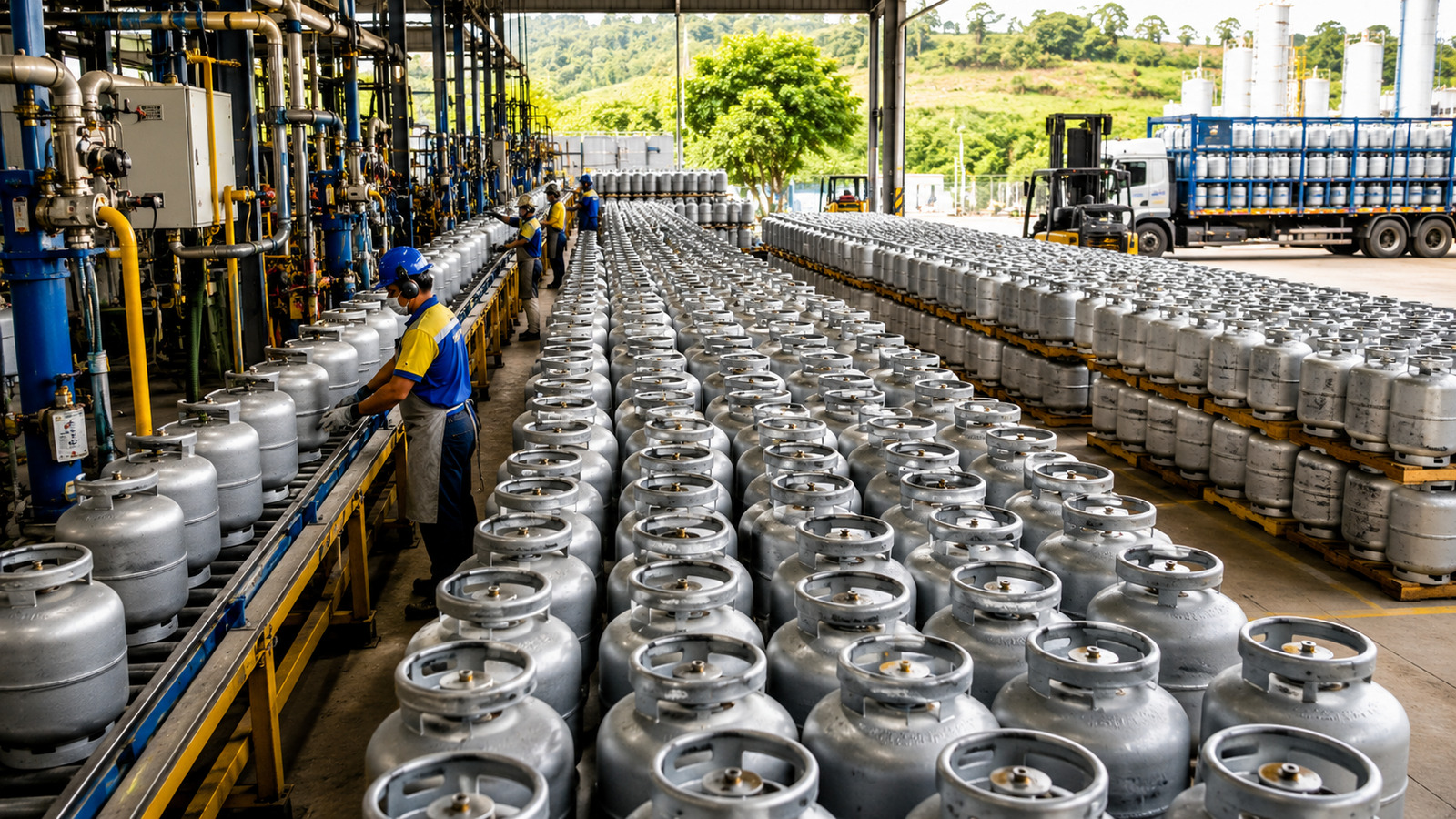
How does Brazil manage to deliver 13 gas cylinders per second?

-
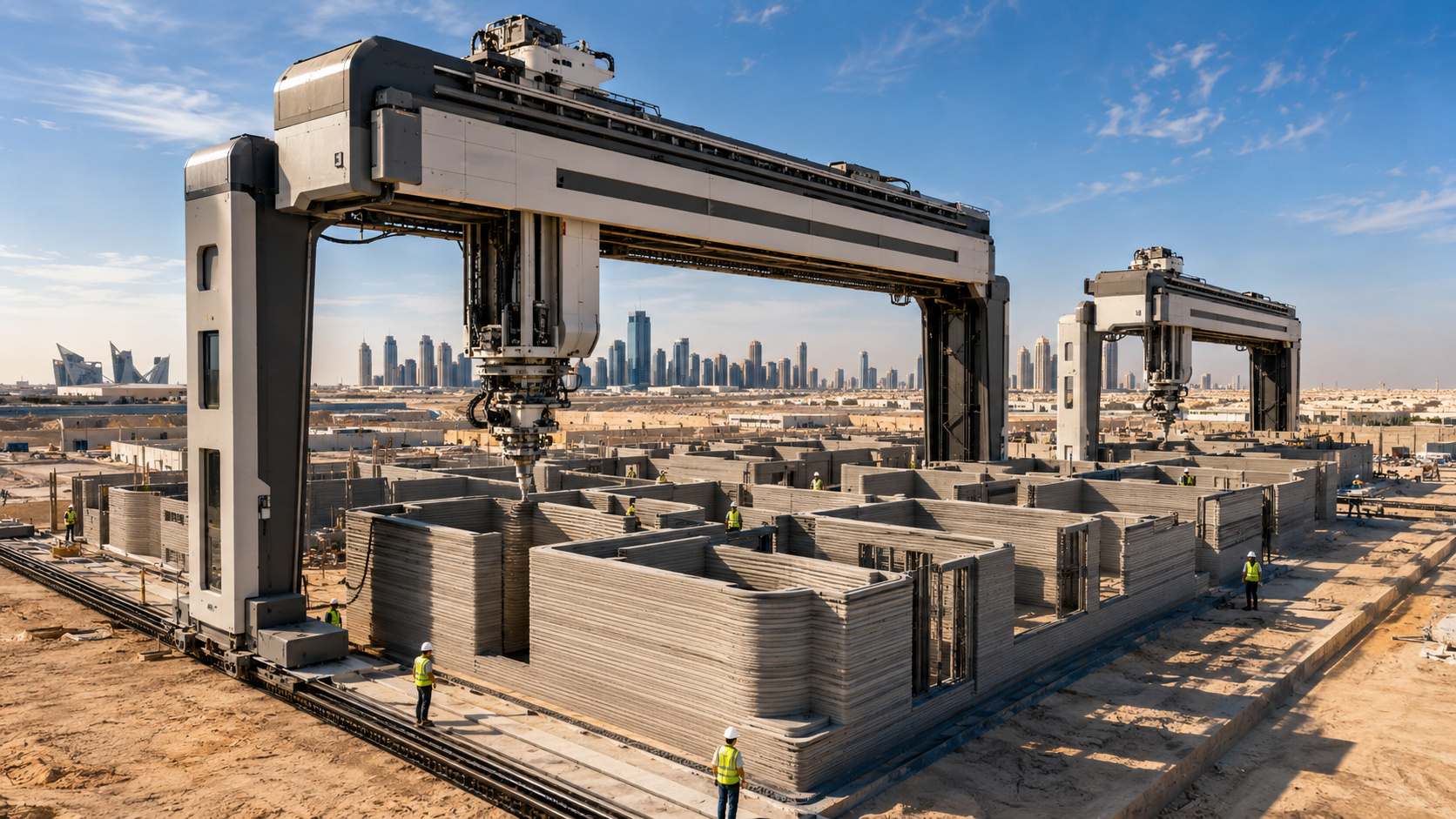
While school construction still relies on months of traditional masonry, in Qatar two 50-meter 3D printers will build entire schools in concrete with machines the size of a construction site.

-
While many footbridges only serve to cross avenues, in Tehran a 270-meter bridge transforms into a suspended square with three levels, connects two parks, and even passes over a busy highway.
-
While many regular shopping malls resemble concrete boxes, in Kazakhstan a transparent tent of 150 meters houses an artificial beach, an urban park, and an entire shopping center under a tensioned canopy.


The journey of the IBID 2025 has reached important representative institutions of the national industry, such as the Federations of Industries of Ceará (FIEC), Minas Gerais (FIEMG), Mato Grosso (FIEMT), and Pará (FIEPA).
With this expansion, the project begins to engage with all productive segments across the five regions of Brazil, connecting the business sector, the government, and research centers in a common purpose: to consolidate the culture of innovation as the foundation for regional and national development.
Regional Innovation and Public Policies for Industrial Growth
The dissemination of the IBID 2025 among public managers and industry representatives has stimulated a reflection on the strategic role of regional innovation in strengthening the Brazilian economy.
Also presented in the Federal District, Paraná, Piauí, Pernambuco, Rio Grande do Norte, Maranhão, and Rio de Janeiro, the index becomes a valuable tool for monitoring public policies and encouraging industrial competitiveness.
This territorial integration allows for a detailed understanding of local productive dynamics, essential for guiding investments and fostering new technological projects.
Sustainable Development and Integration Between Industry and Government in the IBID 2025
The IBID 2025 also stands out as a catalyst for sustainable practices and responsible innovation, uniting industry, academia, and government.
The joint work of the General Coordination of Economy and Innovation (CGEI) and the General Coordination of Industrial Property Development, Business, and Innovation (CGDI) demonstrates that regional innovation is only effective when accompanied by consistent data and institutional collaboration.
With the support of the National Institute of Industrial Property (INPI) and external partners, the index consolidates a solid foundation for economic development policies aligned with energy transition and industrial digitalization.
Technological Transformation and Strengthening National Competitiveness
In addition to driving new CT&I policies, the IBID 2025 contributes to expanding the strategic use of industrial property as a driver of productive progress.
The collection of regional data allows for the identification of challenges and opportunities, encouraging companies and public agencies to invest in their own technological solutions.
By valuing innovation as the central axis of growth, the index strengthens the national ecosystem and reinforces the role of industry as a protagonist in generating jobs, income, and sustainability.
With the dissemination of the IBID 2025 in 12 states, Brazil consolidates a development model based on qualified information and inter-institutional cooperation.
The initiative reinforces the importance of integrated policies capable of transforming innovation into a lever for competitiveness, inclusion, and economic progress in all regions of the country.








Be the first to react!