






 Portuguese
  Spanish


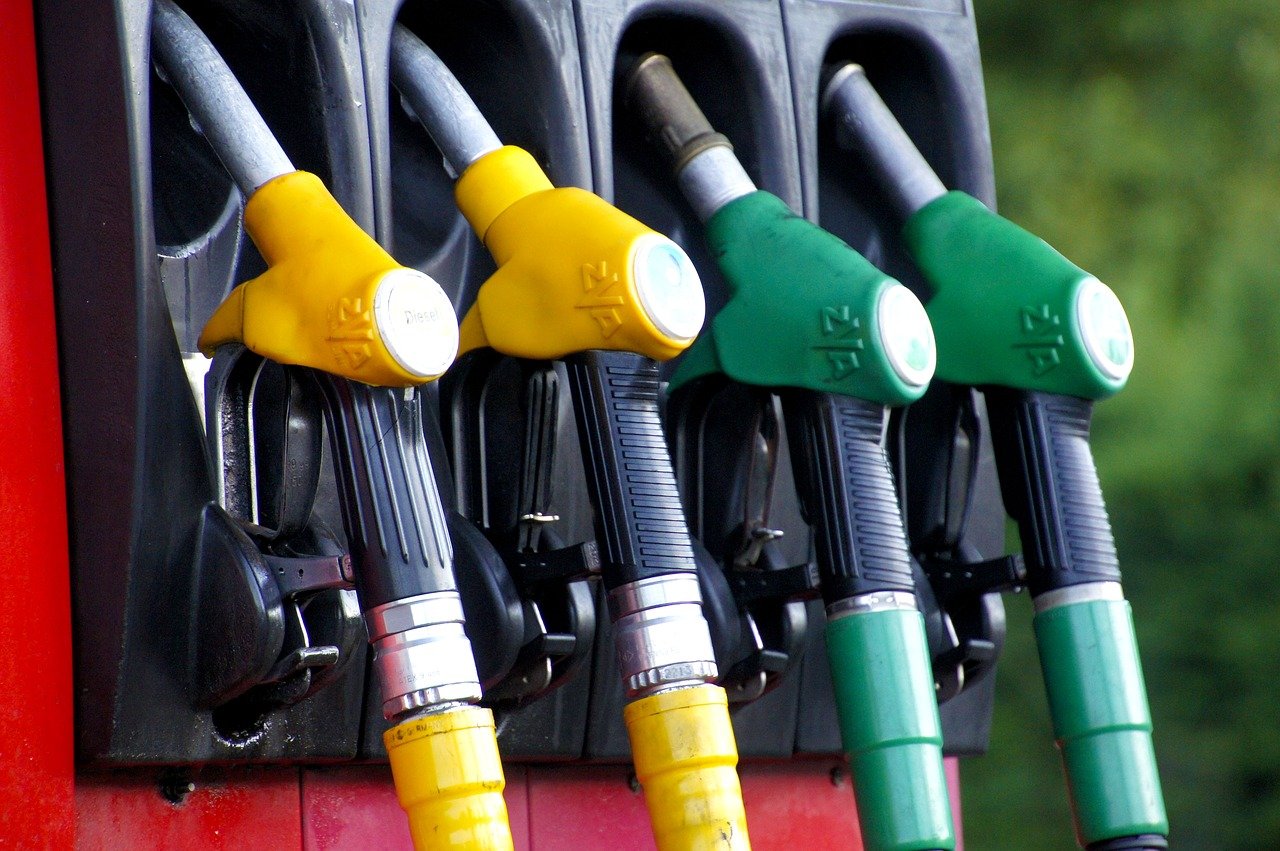

The ICMS of Ethanol Had a Reduction from 13.3% to 9.57%, Generating an Impact of Up to R$ 563 Million on Revenues by the End of the Year
Rodrigo Garcia, the governor of São Paulo, PSDB, declared this Monday, the 18th, that the Tax on Circulation of Goods and Services, ICMS, of ethanol had a reduction from 13.3% to 9.57%.
“This reduction will ease the price at the pump by 17 cents. Keep an eye on it and contact Procon if the price does not drop”, warned the governor.
The Government of São Paulo had already imposed a reduction this month on the ICMS of cooking gas, and in June, there was a reduction in the ICMS rate on gasoline from approximately 25% to 18%. Taxes on electricity bills for households with monthly consumption above 200 kWh, and communication services were also reduced proportionally.
-
Brazil to Issue “Panda Bonds” in China, Aiming to Raise Up to 5 Billion Yuan at Lower Interest Rates Than Dollar Debt
-
NATO Faces Internal Tensions as U.S. Pushes for Increased Defense Spending, Targeting 5% of GDP by 2035, with Warnings for Countries Near 2% Level

-
Brazil to Introduce B16 Diesel with Increased Soybean Oil Content for Trucks by 2026
-
Brazil’s July Bolsa Família Payments May Include Extra $150 and $50 for Families with Children, Pregnant Women, and Updated CadÚnico Registration


After ICMS Reduction on Ethanol, Drivers Celebrate Fuel Price Drop in BH, Minas Gerais
After Governor Romeu Zema, Nova, announced the reduction from 16% to 9% in the ICMS rate that will reflect on the price of ethanol, drivers in Belo Horizonte, Minas Gerais, are already celebrating the lower fueling expenses. The Minaspetro, Union of Retail Trade of Oil Derivatives of the State of Minas Gerais, estimates a reduction of up to R$ 0.35 in the final price to be paid by consumers when filling up.
The decrease in the tax percentage starts this Monday (18) and follows the ‘Kamikaze PEC’ (PEC of Benefits), which provides for a tax reduction on biofuels to keep them competitive compared to gasoline. However, despite providing relief for consumers, the measure will have a bitter taste for public coffers with a shortfall of about R$ 900 million, according to the State Department of Finance.
The amount is directed towards infrastructure, health, and education spending. However, according to security professional Renê Soares, 55, it is up to the government to explore some possibilities to soften the impact. “They (government officials) have to take from other places,” declared the consumer who is happy about the tax decrease on ethanol. “The more the price drops, the better for us. I can already see the difference at the pump and in my pocket, and I hope it gets even better,” he added.
Meanwhile, driver Fábio Maciel Alves, 37, states that the reduction in taxes on the price of ethanol will help save money at gas stations. “It helps a lot with the bills; in my case, it will improve a lot,” says Maciel. However, according to the driver, the lack of tax revenue raises concerns about health investments. “It worries a lot; we are on this balance because on one hand, it helps us a lot,” he adds.
Reduction in Taxes on Ethanol in Minas Gerais
The statement regarding the reduction of the ICMS rate on ethanol made by Romeu Zema refers to a cut of approximately 43.7% of the tax fraction. The change in the ethanol value was declared after the promulgation of the ‘Kamikaze PEC’ (PEC of Benefits) in Congress. The plan stipulates that the ICMS rate on biofuels, such as ethanol, needs to be reduced to maintain competitiveness with this alternative, given that there was a reduction in the gasoline fraction due to the new ICMS ceiling law. In the state of Minas Gerais, it was reduced from 31% to 18%, which brought the average fuel price down from over R$ 7 to R$ 5.89, according to the weekly survey by ANP, National Agency of Petroleum, Natural Gas and Biofuels.







