Portuguese
  Spanish



IFCE Advances in Research on Sustainable Lubricants and Additives by Developing Innovative Solutions for Biofuels Using Raw Materials from the Northeast
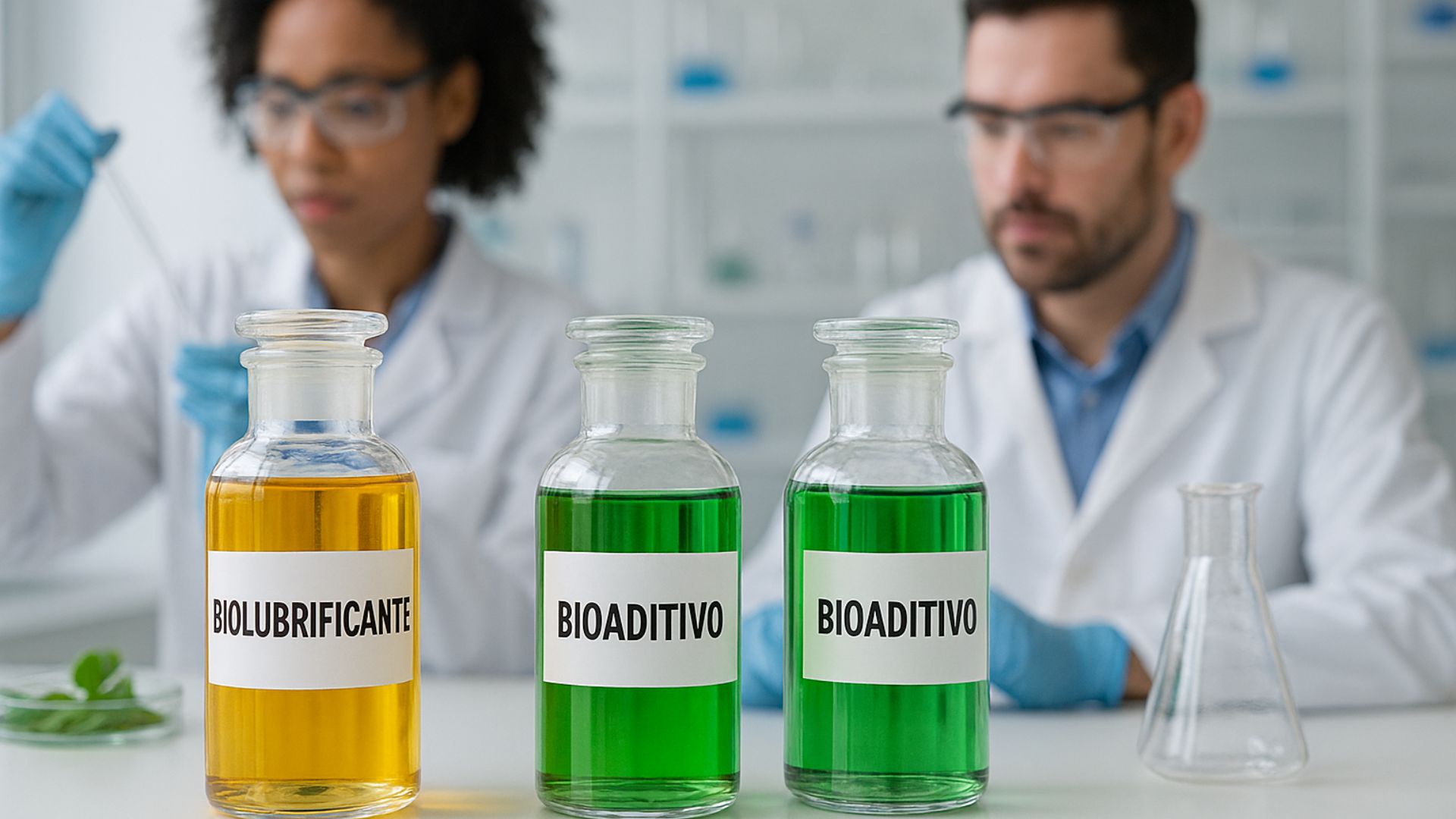
The Federal Institute of Education, Science and Technology of Ceará (IFCE) is conducting a scientific initiative that could significantly change the production chain of biofuels in Brazil. The Caucaia campus develops sustainable lubricants and additives, created from raw materials abundant in the Northeast, such as crustacean waste and Batiputá oil. The research enhances the performance, stability, and sustainability of biodiesel, reinforcing the energetic potential of the region.
IFCE Expands Production of Sustainable Lubricants and Additives Focused on Biofuels
Right from the start, the project stands out for combining scientific innovation and the use of regional resources. IFCE’s proposal is to develop low environmental impact and high technical performance solutions, capable of improving essential characteristics of biofuels. In addition, the initiative involves students, technicians, and researchers, strengthening scientific production in the Northeast and creating real academic opportunities.
The studies carried out by Professor Eduardo Arruda and his team analyze alternatives to improve the oxidative stability and durability of biodiesel. The main goal is to develop sustainable lubricants and additives obtained in an ecologically and economically viable way, using local resources as primary inputs.
-
US$ 7 billion, green hydrogen, and steel with up to 95% less CO₂: the first green steel plant on the planet emerges in Sweden and targets Brazil as the next chapter

-
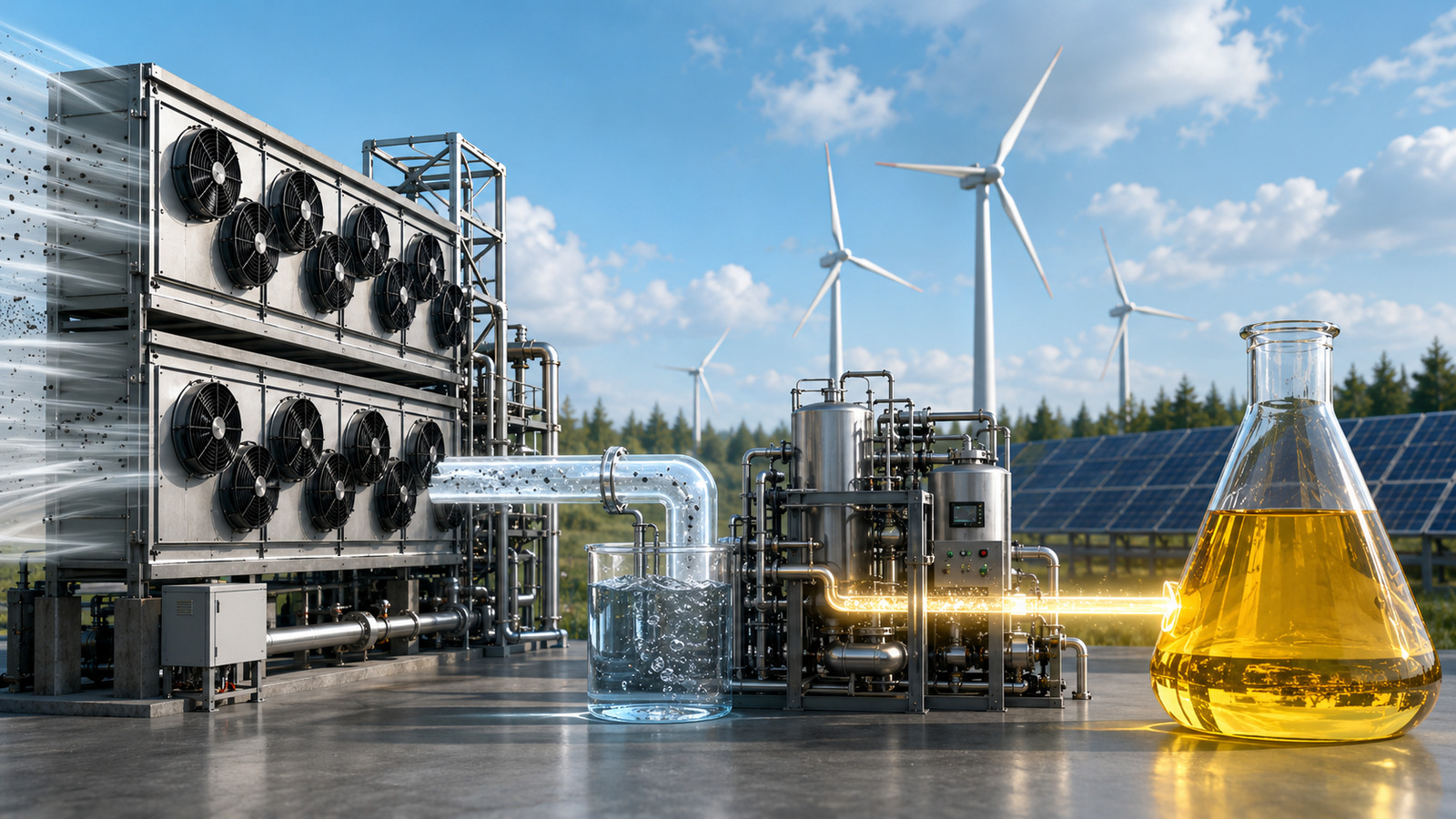
Swedes manage to create synthetic fuel with CO₂, water, and renewable energy, compatible with current engines, but face a huge problem: the energy expenditure is still double the return.
-
Brazil begins to transform wheat, residues, sweet potatoes, and soy molasses into ethanol, in a new phase of biofuels that seeks to utilize leftovers from the field and industry to fuel flex-fuel cars.

-
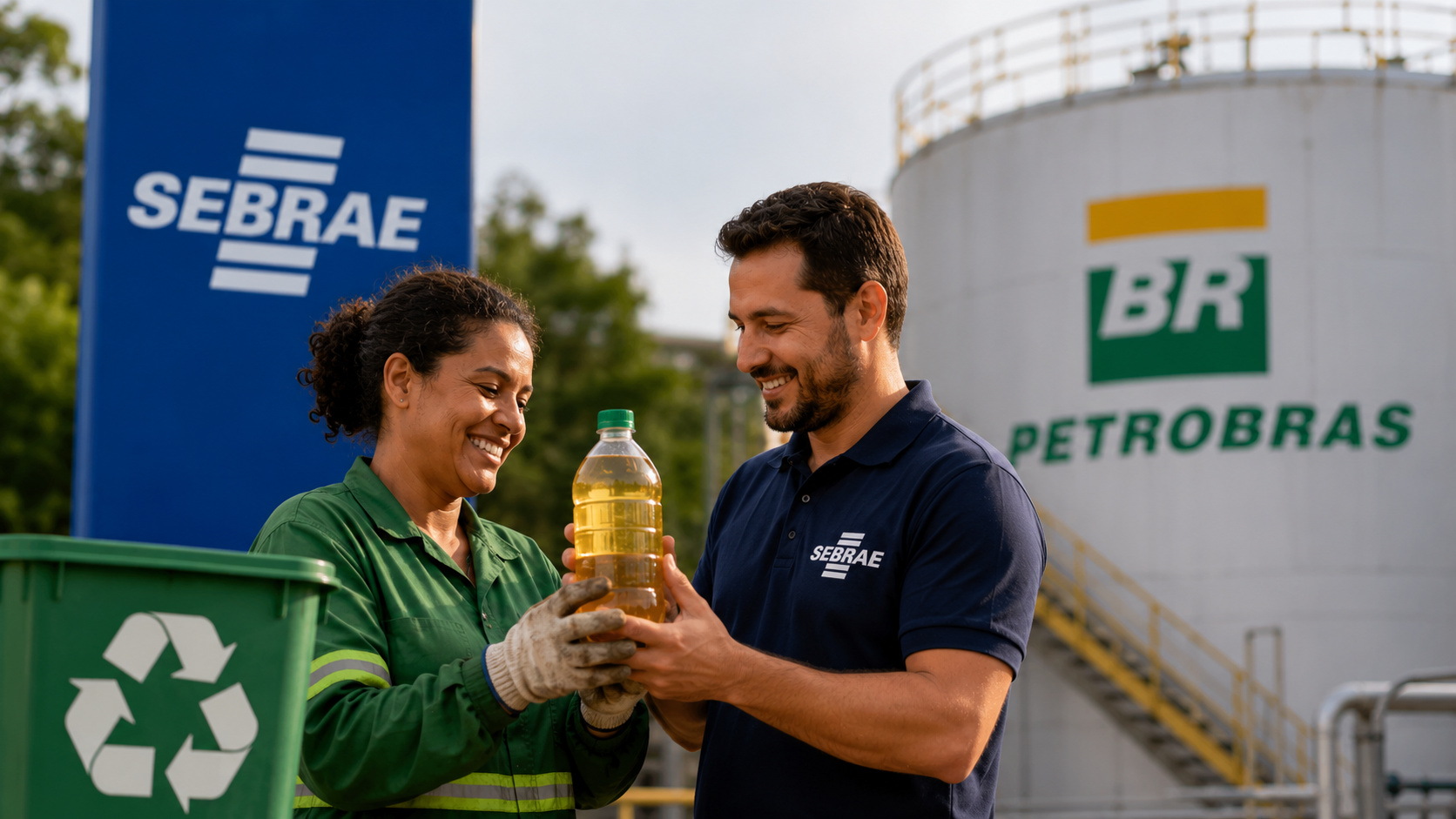
Sebrae and Petrobras join forces in Ceará to include waste pickers in the circular economy and strengthen the biofuel chain, creating new income opportunities and expanding the sustainable use of waste with a direct impact on regional development.

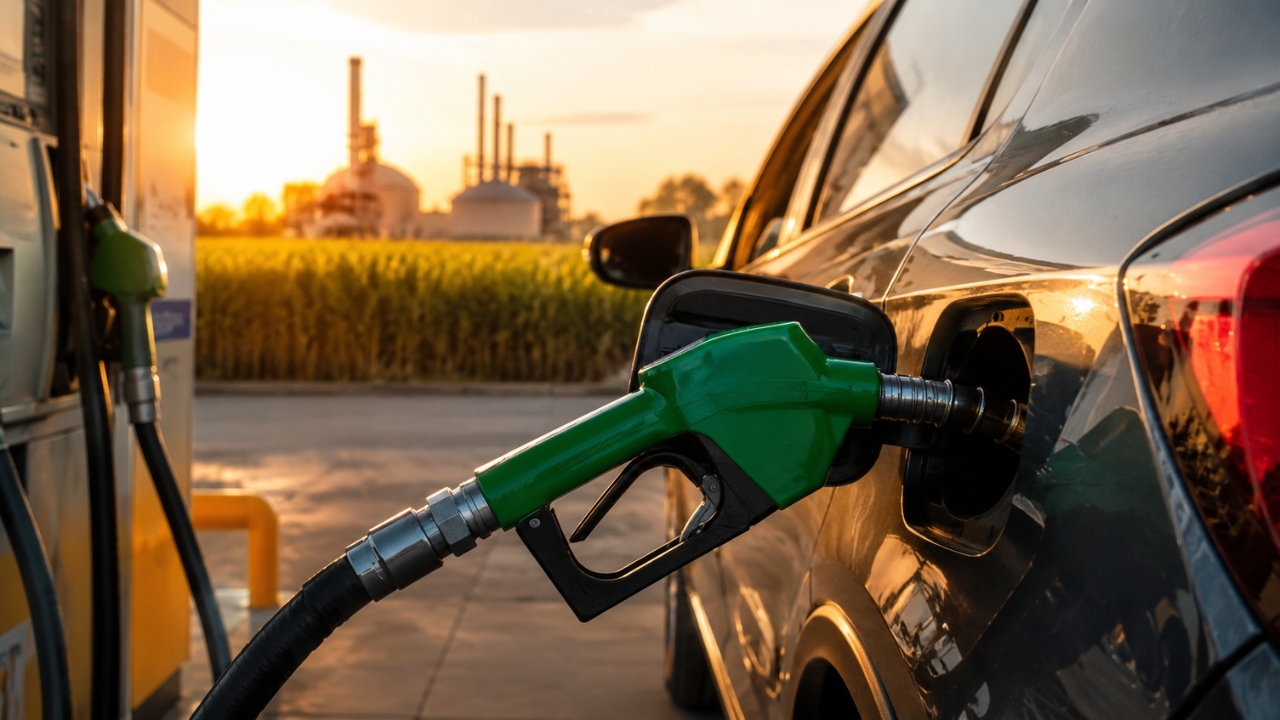
This type of research is essential to strengthen the biofuel chain, since the quality of additives directly influences performance, storage, and energy efficiency. Moreover, part of the results has already been presented at national conferences, reinforcing the credibility of the work conducted at IFCE.
Utilization of Crustacean Waste in IFCE Research
One of the most relevant aspects of the research involves the use of crustacean waste for the production of bio-additives. The Northeast region is the largest shrimp producer in the country, generating large volumes of waste, such as shells, cephalothorax, and tails.
According to IFCE, the cephalothorax accounts for 30% to 40% of the total weight processed. In many cases, these materials are improperly discarded, causing soil and water contamination. The research transforms this environmental problem into an opportunity, converting waste into antioxidant and anticorrosive compounds.
The laboratory technique developed by Emanuelle Herculano focused her master’s thesis on this topic. Compounds extracted from shrimp waste showed potential to increase the shelf life of biodiesel and improve its thermal stability. This solution combines low cost, sustainability, and direct benefits for the biofuels industry.
Professor Eduardo Arruda emphasizes that companies in aquaculture, nutraceuticals, and pharmaceuticals are already using crustacean derivatives for various purposes. Thus, IFCE’s study further expands the possibilities for sustainable use of this biomass available in the Northeast.

Biofuels from the Northeast and Production of Biolubricants from Batiputá Oil
Another line of research at IFCE uses oil from the Ouratea fieldingiana plant, known as Batiputá. Found primarily in Ceará and Rio Grande do Norte, the plant has oil with properties similar to soybean oil, widely used in biodiesel production.
This chemical potential makes Batiputá a promising alternative for creating sustainable biolubricants. Biolubricants are renewable, biodegradable, and present a low risk of environmental contamination, making them ideal for use in agricultural machinery, marine environments, and food industry equipment.
IFCE emphasizes that using an abundant plant in the Northeast reduces costs, strengthens regional production chains, and encourages the creation of ecological products. The research enhances the Northeast’s role in developing cleaner energy solutions, connecting science and local economy.

Scientific Training at IFCE and the Impact of Research in the Northeast
Another differential of the project is the direct participation of undergraduate students and graduates from the Caucaia campus. They engage in experiments, analyses, and product development. This proximity between the classroom and laboratory transforms the academic experience, making learning more practical and critical.
Two graduates currently involved in the research are pursuing their master’s degrees at the Federal University of Ceará. They highlight that IFCE has stimulated a broader scientific vision, focused on innovation and sustainability. This training reinforces the institutional mission to create ethical professionals, prepared and capable of contributing to regional development.
Moreover, the researchers believe that many of the extracts developed could be applied in other sectors of the industry, expanding the economic and technological potential of the Northeast. IFCE’s research creates a solid foundation for technological transfer, innovation, and future industrial partnerships.
Environmental and Economic Impact of Sustainable Lubricants and Additives
The body of studies conducted by IFCE presents important results for the biofuels market. Among the main impacts are:
• Significant reduction of waste from the shrimp industry in the Northeast
• Reutilization of biomass previously discarded and polluting
• Creation of sustainable lubricants and additives with proven performance
• Strengthening of regional production chains
• Advancement in the quality and stability of biodiesel produced in Brazil
These benefits show that it is possible to unite scientific development, reduced environmental impact, and industrial competitiveness. IFCE’s presence at Brazilian Chemical Society congresses also reinforces the national relevance of the research.
Furthermore, the use of renewable and regional sources contributes to making the biofuels sector more sustainable, reducing dependence on petrochemical inputs and stimulating the local economy.
Strategic Importance of Research for the Future of Biofuels in Brazil
The innovations developed by IFCE — especially related to sustainable lubricants and additives — consolidate the role of the institution and the Northeast in scientific production focused on clean energy.
By transforming waste into technological inputs and utilizing regional raw materials, IFCE creates accessible, ecological solutions aligned with the current needs of the energy sector.
The research conducted at IFCE proves that sustainability, innovation, and economic development can walk hand in hand. The advances achieved with biolubricants, bio-additives, and biomass studies demonstrate that the Northeast has the potential to assume a prominent position in Brazil’s energy transition.