






 Portuguese
  Spanish
  3 min of reading
  1 comment


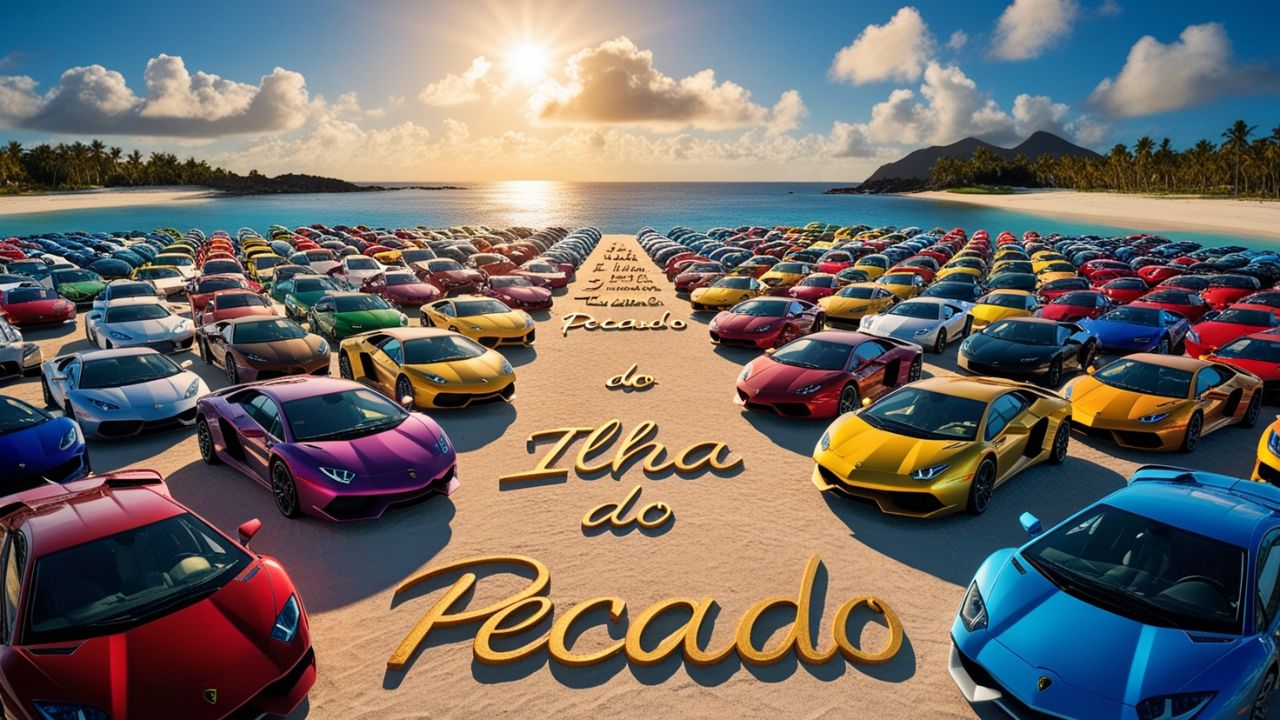


Nauru, The Richest Island in The World, Saw Its Fortune Disappear After Decades of Ostentation, Corruption, and Waste. Millionaires Bought Useless Supercars, The Government Footed The Bill, and The Russian Mafia Laundered Billions. Today, The Country Faces Bankruptcy, Extreme Obesity, and Total Dependence on Australia.
Imagine a country where every citizen was once a millionaire, living in limitless luxury, buying Lamborghinis to drive on a tiny island with only one road. It sounds like a movie scene, but it was the reality of Nauru, a small country in the middle of the Pacific Ocean.
Known as the “Richest Island in The World” due to phosphate mining, Nauru had one of the highest per capita incomes on the planet in the 1980s. But the fortune disappeared as quickly as it came. Absurd spending, corruption, and even involvement with the Russian mafia transformed this former millionaire nation into one of the most dependent countries in the world.
From Gold Mine to An Unlikely Luxury Destination

Nauru had everything to be a financial powerhouse. For decades, phosphate extracted from the island was one of the most valuable in the world, used for agricultural fertilizers. The wealth generated allowed the inhabitants to live extravagant lives.
-
Brazilian Joins Homeownership Consortium, Faces Decade of Dual Payments Totaling $141,000, Surpassing Traditional Mortgage

-
Land Rover to Halt Production in July, Putting 371 Jobs at Risk, as Chinese Automaker Negotiates to Convert Factory to 100,000 Vehicles Annually by 2027

-
Mexican Pest Threatens U.S. Cattle Herds at Historic Lows, Potentially Boosting Brazilian Beef Exports as Burger Prices Soar

-
Brazilian Freight Bill Progresses in Congress with $5,000 Minimum Wage, 70% Advance Payment, and Fines Up to $1 Million, as Agriculture and Industry Warn of Rising Costs and Legal Uncertainty


In its heyday, Nauru had a per capita income higher than that of oil-rich Arab countries. With money to spare and little notion of financial planning, residents frequently traveled to Singapore, Fiji, and Hawaii to spend fortunes on shopping.
And the spending didn’t stop there. Even with a speed limit of just 25 mph and a single paved road, citizens imported Ferraris, Lamborghinis, and Cadillacs. The most bizarre case was that of a policeman who bought a yellow Lamborghini, only to realize too late that it was too big to fit in the driver’s seat.
The Economic Collapse of The Richest Island in The World and The Impact of Corruption
But how did such a prosperous nation go bankrupt, the richest island in the world? The answer lies in the lack of planning and uncontrolled spending.
The government of Nauru footed the bill for absolutely everything for its citizens. Education, healthcare, and even airfare for medical treatment in Australia were paid for with public money. With this culture of dependency, no one bothered to create new sources of income for when the phosphate ran out.
And that’s exactly what happened. When the natural resources were depleted, the economy plummeted. The country could no longer sustain its public services, and the residents, used to a life of luxury, were not prepared for the new reality.
Nauru and Dirty Money: The Connection With The Russian Mafia
Desperate to recover its economy, the government of Nauru tried to turn the island into a tax haven. In a short period, the nation sold banking licenses and passports to international criminals.
The move attracted the attention of the Russian mafia, who saw in the richest island in the world a golden opportunity to launder money. In just one year, it is estimated that about US$70 billion passed through Nauru’s banks.
But the scheme didn’t last long. In 2002, the United States designated the island as a money laundering center, cutting off any possibility of financial agreements with international banks. Without natural resources and now without credibility, Nauru was officially bankrupt.


Gostaria muito de participar da seleção de empregos