






 Portuguese
  Spanish


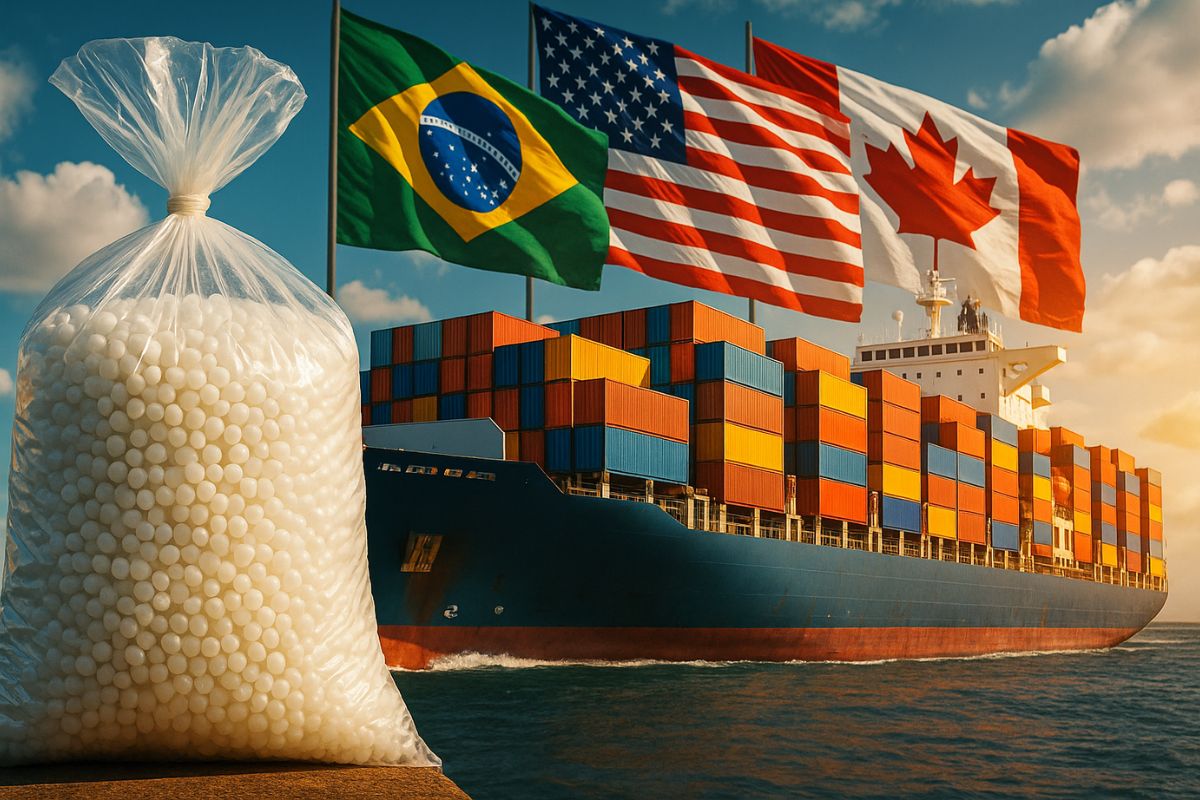


Brazil Applies Antidumping Measure on Polyethylene Resin Imports from the USA and Canada. Government Decision Seeks to Protect the National Industry Against Unfair Competition and Is Valid for Up to Six Months.
The Brazil applies antidumping measure on polyethylene resin imports from the USA and Canada, following a decision by the Executive Management Committee of the Foreign Trade Chamber (Gecex-Camex), announced this Wednesday (27), according to information from the Estadão. The determination establishes a provisional antidumping duty, valid for up to six months, aimed at protecting the local industry.
The measure is part of a broader package of trade defense actions, which also included decisions on steel, polyester fibers, paper, and glass. The government argues that the import of polyethylene resins under unfair conditions could harm the competitiveness of Brazilian companies, impacting jobs and investments in the chemical sector.
What Does the Antidumping Measure Mean?
Antidumping is applied when a country identifies that a certain product is being sold in the domestic market at prices much lower than those practiced in its country of origin. This practice can undermine local production, leading to a dependency on imports and weakening the industrial chain.
-
Brazil to Issue “Panda Bonds” in China, Aiming to Raise Up to 5 Billion Yuan at Lower Interest Rates Than Dollar Debt
-
NATO Faces Internal Tensions as U.S. Pushes for Increased Defense Spending, Targeting 5% of GDP by 2035, with Warnings for Countries Near 2% Level

-
Brazil to Introduce B16 Diesel with Increased Soybean Oil Content for Trucks by 2026
-
Brazil’s July Bolsa Família Payments May Include Extra $150 and $50 for Families with Children, Pregnant Women, and Updated CadÚnico Registration


In this specific case, the Brazilian government understood that imports of polyethylene resins from the USA and Canada were directly affecting the national industry, necessitating the adoption of provisional barriers to balance the market. The decision is not definitive but can be extended or converted into a permanent measure after the evaluation period.
Impact on Other Sectors
In addition to resins, Gecex approved the definitive antidumping against carbon steel sheets from China and polyester fibers from China, India, Thailand, and Vietnam. These measures follow the same logic: to protect national production in the face of what is considered unfair competition.
At the same time, there was a tariff reduction for seven products, including inputs for the healthcare sector and capital goods. These reductions eliminate import tariffs and may lower costs for Brazilian companies and consumers, stimulating investment and innovation in the country.
Relation with the USA and Post-Tariff Measures
The decision comes amid the rise in trade tensions between Brazil and the United States, following the tariffs imposed by the Donald Trump administration on various Brazilian products. In response, Brazil has been adjusting its trade policy, with measures aimed at mitigating the impacts on domestic exporters and ensuring fairer competition conditions.
Among the actions, the Gecex Resolution No. 633/2024 was amended, which addresses Export Credit Insurance. The change adapts the rules of the Export Guarantee Fund (FGCE) to the new scenario, as part of the Brazil Sovereign Plan, announced to reduce the losses caused by American tariffs.
The fact that Brazil applies antidumping measure on polyethylene resin imports from the USA and Canada demonstrates how the country is responding to international pressure and trying to preserve its industry. The move opens space for discussions on balancing the protection of national production and maintaining good trade relations.
And you, do you believe these measures strengthen Brazil in global trade or could they generate dangerous retaliation? Share your opinion in the comments.







Por que sera que lula não aploca a mesma medida contra a comunista China?
Releia o texto
Pra ele reler teria que ter lido pelo menos uma vez
A **** é ****. Como não aplica contra China, não existem duas Chinas, leia todo o texto ****
Rsss
Amigo talvez vc pudesse ler mais ➕️ uma vez
Impacto sobre outros setores.
Além das resinas, o Gecex aprovou o antidumping definitivo contra folhas metálicas de aço carbono da China e fibras de poliéster de China, Índia, Tailândia e Vietnã. Essas medidas seguem a mesma lógica: proteger a produção nacional diante da concorrência considerada desleal. Acho que você não viu toda a matéria.