Portuguese
  Spanish


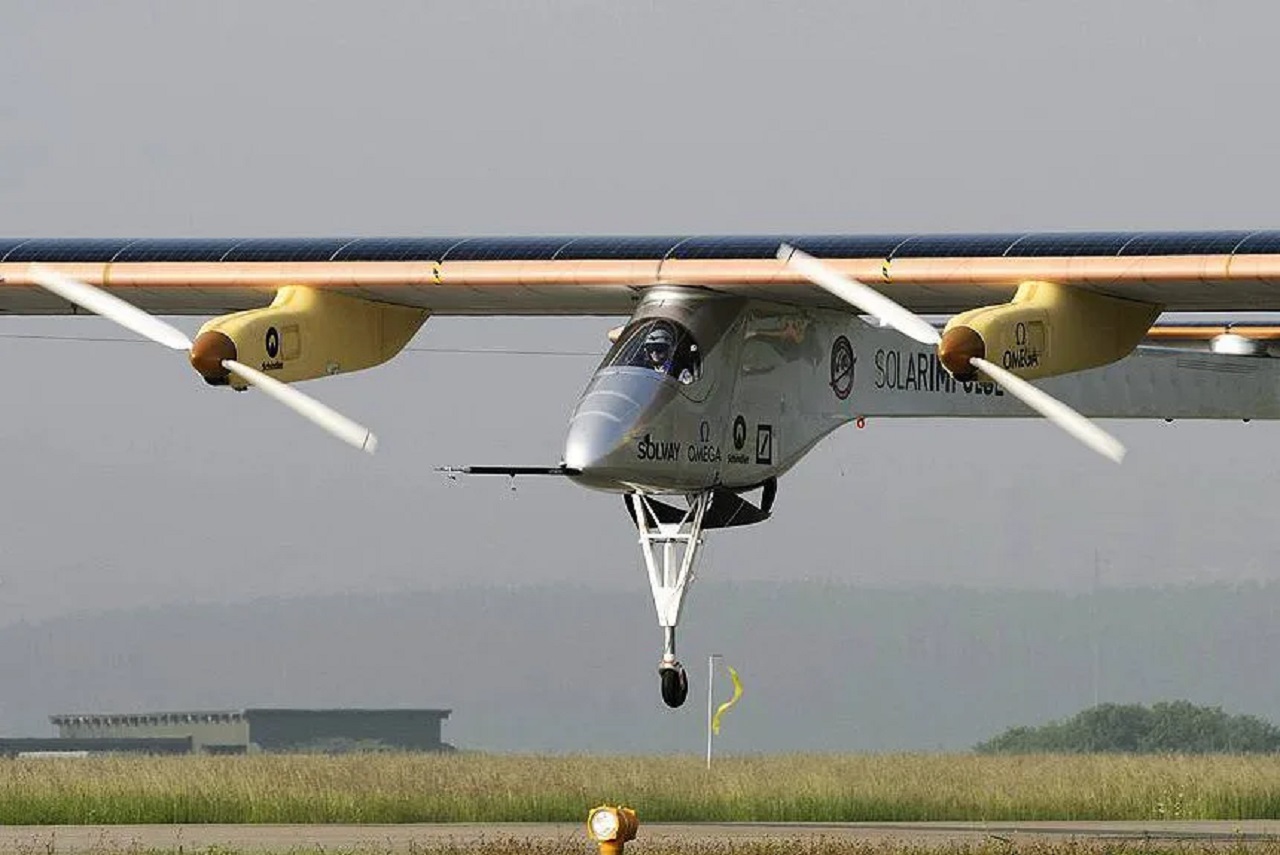

The First Solar-Powered Airplane To Fly Around The World Can Reach Over 43 Thousand Km.
The Impulse 2, the first solar-powered airplane to fly around the world, has the wingspan of a Boeing 747, with 4 electric motors. The model, which uses solar energy as fuel, can travel 43 thousand kilometers without polluting the environment and just achieved a new record of 97% efficiency with its 4 propellers.
Solar Airplane Features Over 17 Thousand Photovoltaic Cells
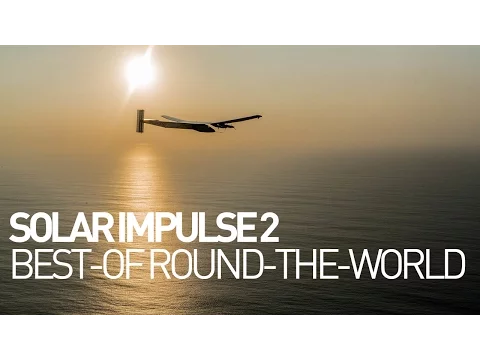

The Solar Impulse is a solar-powered airplane project proposed by the École Polytechnique Fédérale de Lausanne (EPFL), located in Switzerland.
The school is spearheaded by Bertrand Piccard, who focuses on building airplanes capable of traveling around the world using solar energy without burning fuel. The solar airplane is the same size as the famous Boeing 747 but weighs only about 1.5 tons.
-
Fired during apartheid and with a little borrowed money, an electrician started with a borrowed truck and transformed electrical services into a group connected to energy, real estate, and infrastructure in South Africa.

-
Wood has ceased to be just a construction material in Yale research and has become insulation for electrical transformers that face intense heat, aging, and increasing pressure from the renewable energy-powered grid.
-
More than 1,000 residents of a remote island in Kiribati now have clean water and electricity with solar systems operated by the community itself.
-
The Port of Itaqui closes the best first semester in history with over 17 million tons and takes off as the locomotive of the Northern Arc.




The vehicle can fly using solar energy captured through over 17 thousand photovoltaic cells.
Electric Motors of The Airplane That Does Not Use Fuel Lose Only 3% Of Energy
The solar-powered airplane can be considered a large mobile laboratory, featuring various high-level technologies that make it possible for the vehicle to generate large amounts of solar energy and store all this electricity, in addition to using it more efficiently.
With a high efficiency rate of 97% in its electric motors, the solar airplane has only 27% efficiency in its thermal motors, meaning that the airplane’s propellers that do not use fuel lose only 3% of their energy. In contrast, combustion-powered motors can lose up to 73% of energy.
Airbus Develops Solar-Powered Drone
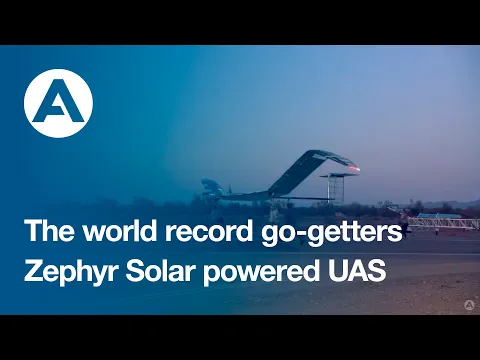
According to data from August from the U.S. Army, a solar-powered drone crashed after flying for over two months. The vehicle, named Zephy-8, produced by the European group Airbus, encountered events that ended its journey over the Yuma desert in Arizona on August 18.
The site Simple Flying, responsible for tracking flights, stated that the equipment reached an altitude of between 45 thousand and 50 thousand feet and quickly began to descend.
The drone has a wingspan of over 25 meters and weighs over 75 kilograms. The solar-powered Zephy-8 more than doubled the records for unmanned flights.