Portuguese
  Spanish


What seemed like a broke freshman’s joke turned into one of the biggest creative marketing stunts on the internet, proving that a simple and bold idea can be worth, literally, a million
The million dollars that Alex Tew raised did not come from a revolutionary product nor from an investor: it came from the sale of pixels, the tiny dots that form the image on a screen. A broke student turned a blank page into a mosaic of ads worth a fortune.
The feat is the kind that makes you doubt: charging a dollar for each dot on a page and, with that, collecting more than many companies earn in years. All this from an idea that cost almost nothing to set up.
A broke student and a looming debt
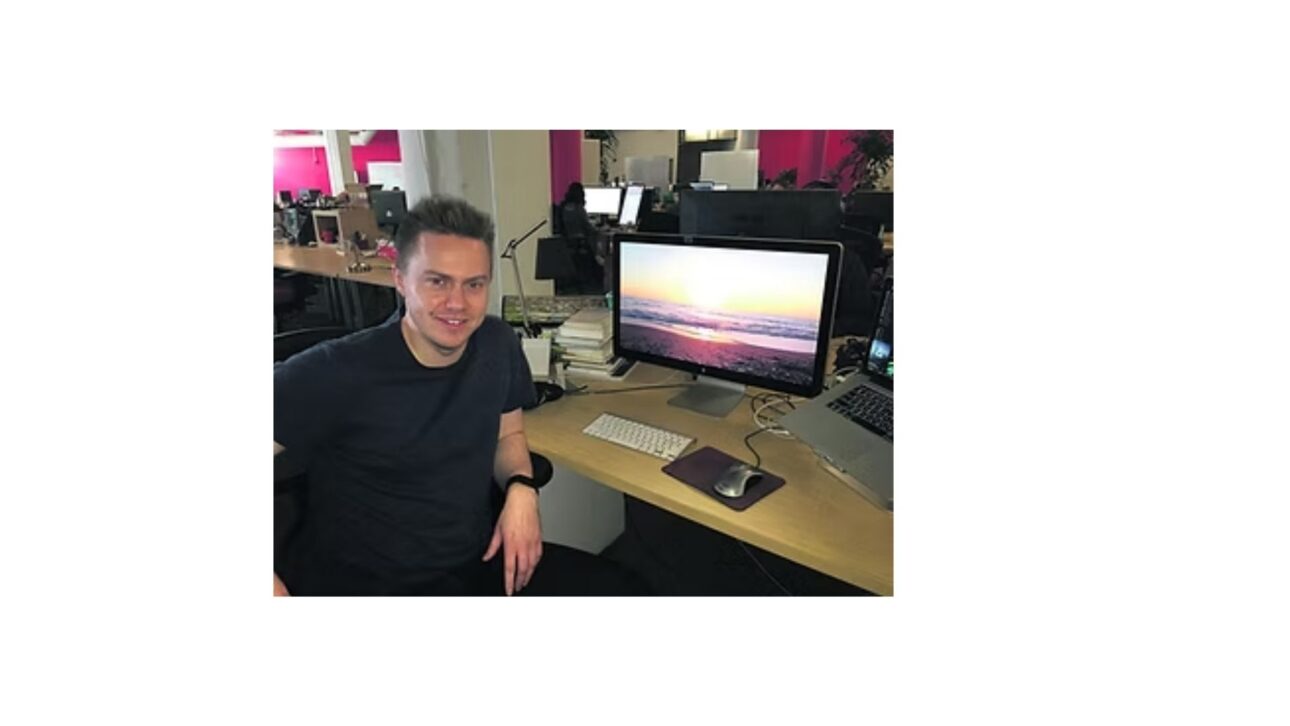
The motivation was one of the most common among young people. According to Bit of Business, Alex Tew was 21 years old, broke, living at home, and wanted to gather about 9,000 dollars to pay for the first semester of college.
-
Adopted Cat’s Unusual Paws Tie Guinness World Record Unbroken Since 2002

-
Philosophy Professor’s DIY Phone Grip Solution Becomes Multi-Million Selling Product and Company

-
15-year-old Brazilian builds batteries, generators, and a community radio from scrap, becomes youngest guest at MIT’s historic program
-
The Unseen Chemical Spectacle Inside Batteries Powering Millions of Devices Daily


The fear was student debt. About to start a business course at the University of Nottingham, he was looking for a way out to avoid finishing his studies buried in loans, a nightmare familiar to many.
It was from this tight spot that creativity was born. Without capital and without contacts, Tew needed an idea that would spread on its own, not money he didn’t have. The limitation became the engine of invention.
The bizarre idea: one million pixels for a dollar
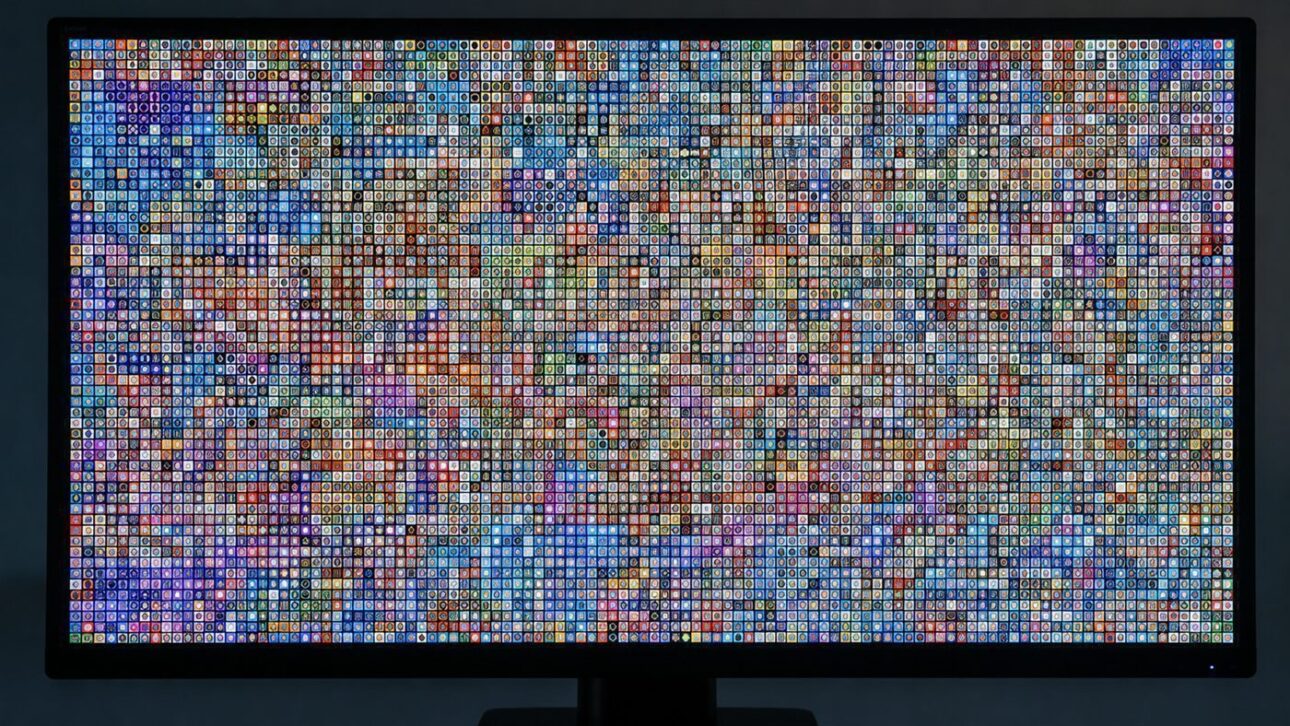
The concept was simple and crazy just enough. According to Harvard, the page was a screen of a thousand by a thousand points, a total of one million pixels, sold at one dollar each.
Buying had clear rules. According to Harvard, the pixels were sold in blocks of ten by ten, that is, one hundred pixels for one hundred dollars, and each buyer placed an image, a link to their own site, and a text that appeared when hovering the mouse.
The cost to set everything up was ridiculous. According to Bit of Business, the project required about 50 dollars for the domain and two days of work, turning a tiny investment into an advertising space machine.
From 4,700 dollars to 250,000 in two weeks
The growth was breathtaking. According to Bit of Business, the first sales, made to friends and family, totaled 4,700 dollars, and the first day after a press push yielded 3,000 dollars.
After that, the snowball turned into an avalanche. According to Bit of Business, two weeks after the launch, the page had already raised 250,000 dollars, with peaks of 100,000 dollars in a single day.
The fame crossed borders. According to Bit of Business, the case gained press coverage in 35 countries, including major international outlets, turning a bedroom project into a global viral phenomenon.
The auction of the last pixels on eBay

The ending had a touch of commercial genius. According to Harvard, the last thousand pixels of the page were sold, and the competition for them was fierce.
Instead of simply selling them, Tew created scarcity. According to Bit of Business, on January 1, 2006, the remaining pixels were auctioned on eBay, and the winning bid reached 38,100 dollars a few days later.
This outcome reinforced the value of the idea. Turning the last points into a rare item, contested in an auction, showed that he understood desire and exclusivity as well as technology. The end became marketing.
More than a million dollars in a few months
The final count is what enshrines the story. According to Harvard, the page grossed a total of 1,037,100 dollars.
Time makes the feat even more impressive. According to Bit of Business, all this million dollars was raised in about four months, an absurd return for an initial investment of a few dozen dollars.
The margin borders on the unbelievable. Selling a product that was, in practice, blank space on a screen, with no inventory or manufacturing cost, turned a simple idea into one of the most profitable on the web.
What remains of the page 20 years later
Like any craze, the page also aged. According to Harvard, over the years many of the purchased links stopped working, pointing to sites that disappeared or changed ownership.
The survey is revealing. According to Harvard, hundreds of links on the page became inaccessible, and much of the space that was once worth gold now leads nowhere, a portrait of how fleeting the internet is.
Even so, the milestone remains. The page became a piece of digital museum, remembered as one of the most daring and successful experiments of the early years of the commercial web.
Why selling a million pixels still impresses
The story of Alex Tew shows that creativity is worth more than capital when the idea is good enough to spread on its own. Raising a million dollars by selling pixels proves that opportunity on the internet is often a matter of insight, not resources.
And his talent didn’t stop there. According to Bit of Business, years later Tew was involved in the creation of Calm, a meditation app that was valued at a billion dollars, showing that the mind behind the pixels had more than one good idea. The pixel page was just the beginning.
Here’s a challenge for you: how many simple and seemingly ridiculous ideas have you discarded, without imagining that one of them could be worth, literally, a million?